
Narita International Airport
Narita, Japan
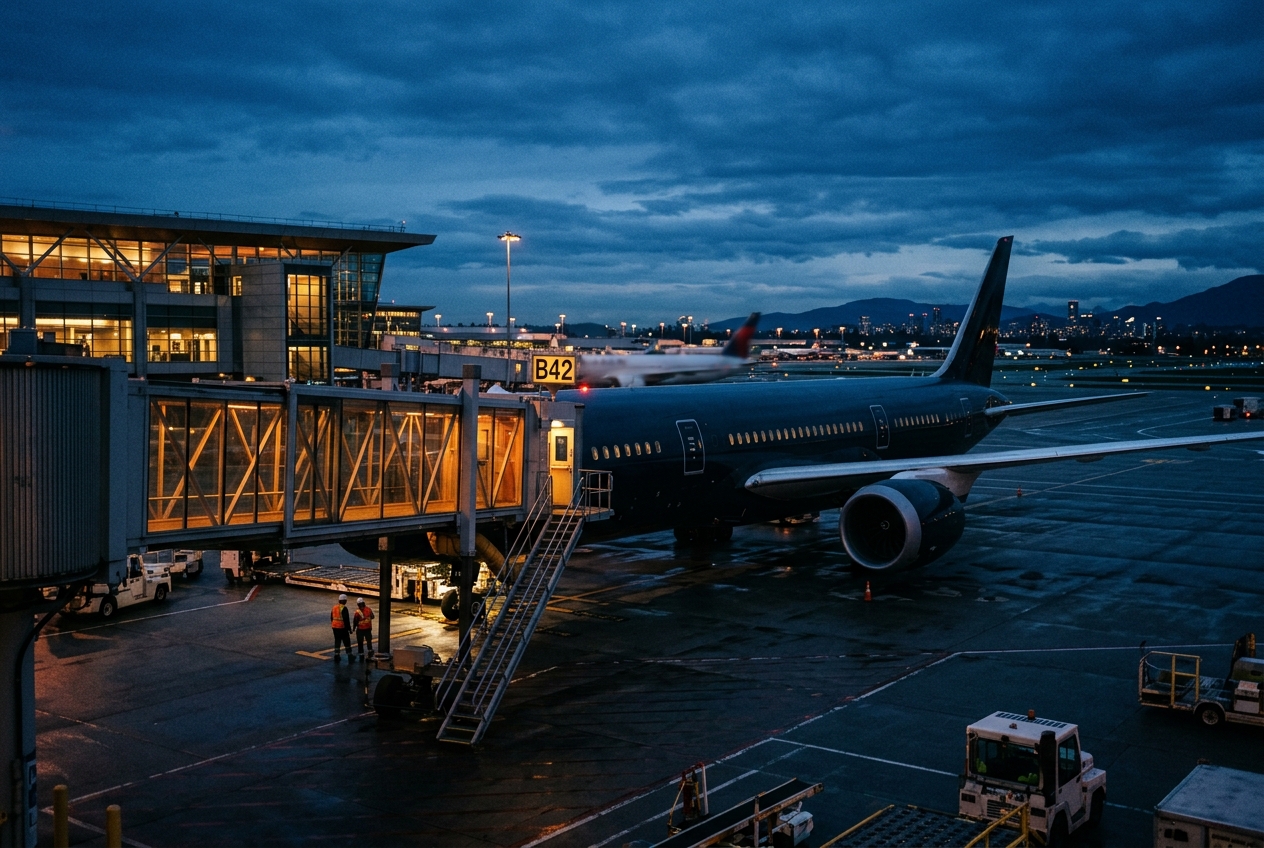
Narita International Airport
Japan's primary international gateway serving Greater Tokyo.
- ›Construction of Narita Airport was met with significant protest movements, particularly from farming communities in Sanrizuku, some of which lasted for decades.
- ›The airport handled over 40 million passengers annually before the COVID-19 pandemic significantly reduced traffic.
- ›Narita consistently ranks among the world's top airports for international air cargo throughput.
- ›The airport has only two runways despite its high traffic volume, a legacy of land acquisition disputes that limited expansion.
- ›Terminal 3, opened in 2015, was designed specifically for low-cost carriers and features an unusual track-marked floor guiding passengers to gates.
Narita International Airport, opened in 1978 after years of controversy and protest, serves as Japan's primary international hub located approximately 60 kilometres northeast of central Tokyo in Chiba Prefecture. Despite its distance from the city, Narita handles the vast majority of Japan's long-haul international traffic and is home to extensive customs, immigration, and cargo facilities befitting a major Asia-Pacific gateway. Its two main terminals reflect decades of expansion and refinement, offering travellers a distinctly Japanese blend of efficiency, cleanliness, and quiet orderliness.
- Terminal 1 — The original and largest terminal, divided into North and South wings, handling major international carriers including Japan Airlines and Air France.
- Terminal 2 — Serves All Nippon Airways and partner Star Alliance carriers, connected to Terminal 1 by a free inter-terminal shuttle bus.
- Terminal 3 — A low-cost carrier terminal opened in 2015, handling budget airlines such as Jetstar Japan and Peach, with a more utilitarian layout.
- Narita Express (N'EX) train to Tokyo Station and Shinjuku — approximately 60–90 minutes
- Keisei Skyliner to Ueno and Nippori — fastest rail option at around 41 minutes
- Airport Limousine Bus to major Tokyo hotels and districts
- Local Keisei Line (slower, budget-friendly rail option to central Tokyo)
- Licensed metered taxis available outside arrivals — expensive for central Tokyo
- Car rental counters available in the arrival halls of Terminal 1 and Terminal 2
- Hilton Tokyo Narita Airport
- Hyatt Regency Tokyo Narita
- APA Hotel Narita Airport
- Marroad International Hotel Narita
- Narita Excel Hotel Tokyu
Inside the terminals, travellers will find a broad range of Japanese dining options including ramen, sushi, tempura, and bento sets alongside international fast food chains, with airside options particularly strong in Terminal 2. A food court area in Terminal 3 caters to budget travellers with affordable Japanese staples. The city of Narita itself, a short bus or taxi ride away, offers excellent traditional restaurants along the old Omotesando pilgrimage street leading to Naritasan Shinshoji Temple.
- Purchase a Suica or Pasmo IC card on arrival — reloadable and usable on trains, buses, and convenience stores across Japan.
- The Keisei Skyliner is often faster and cheaper than the Narita Express for reaching central Tokyo; book tickets at the Keisei counter in arrivals.
- Allow extra time for immigration on arrival — queues can be lengthy, especially on weekend mornings with multiple wide-body aircraft arriving simultaneously.
- Coin-operated luggage lockers and baggage forwarding (takuhaibin) services are available in arrivals, letting you send bags to your hotel and travel light on the train.
AI-assisted overview, verified against public sources.
Route map (103 destinations)






Airlines serving this airport
Routes
Stay, Eat & Explore: Tokyo
Tradition meets tomorrow
- •Senso-ji Temple — Tokyo's oldest temple and the lantern-lit Nakamise shopping street in Asakusa.
- •Shibuya Crossing — The world's busiest scramble — organized chaos beneath giant screens.
- •Meiji Shrine & Harajuku — Forest shrine serenity next to Tokyo's boldest street fashion.
- •Tokyo Skytree — 634 m broadcasting tower with views to Mount Fuji on clear days.
- •Tsukiji Outer Market — Sushi breakfasts, knife shops and street snacks.
Getting around: JR Yamanote loop line + a dense metro grid; Suica/Pasmo cards tap everywhere. Narita Express and Haneda monorail link the airports; shinkansen fan out nationwide.
Pick what matters for your layover or early flight, then compare on your favorite booking site.
IndianAirports may receive compensation when you book or purchase through some of the links on this page, at no additional cost to you. Prices and availability are set by the booking provider and may change. We never share your private trip details with partners — only the destination, dates and party size you searched.
City & Place Guide
No guide exists for this place yet — Click to generate a Traveler Pulse guide.
Passport, Visa & Immigration
Flying internationally via NRT? Check entry, transit and customs requirements for Japan from official government sources.

Narita International Airport , originally known as New Tokyo International Airport , is an international airport serving the Greater Tokyo Area. It is located approximately 60 kilometers east of central Tokyo in Narita, Chiba. The airport covers approximately 1,137 hectares and is undergoing expansion that will increase its total area to approximately 2,300 ha.
Read full article on Wikipedia