 Translate
José Martí International Airport
Havana, Cuba

José Martí International Airport
Cuba's principal international gateway serving Havana.
- ›Named after Cuban national hero and poet José Martí.
- ›Located in the Rancho Boyeros municipality, about 15 km southwest of central Havana.
- ›Serves as the hub for Cuba's national carrier, Cubana de Aviación.
- ›Terminal 3, opened in 1998, is the primary international terminal.
- ›Canada is consistently one of the top sources of international passengers due to strong Cuban tourism from Canadian travelers.
José Martí International Airport, named after Cuba's national hero and poet, serves as the principal international gateway to the island nation and the city of Havana. Opened in the 1930s and expanded significantly over the decades, it handles the majority of Cuba's international passenger traffic. The airport reflects the country's unique character — functional, storied, and perpetually buzzing with travelers arriving for cultural immersion in one of the Caribbean's most distinctive capitals.
- Terminal 1 — Handles some domestic Cuban flights connecting Havana with other cities on the island.
- Terminal 2 — Used primarily for charter flights, particularly those arriving from the United States and Canada.
- Terminal 3 — The main international terminal serving scheduled international airlines, with check-in halls, customs, and departure lounges.
- Terminal 5 — Serves Cubana de Aviación domestic and some regional routes.
- Taxi (state-operated taxis and private taxis known as 'almendrones' available outside arrivals)
- Hotel shuttle buses operated by major Cuban hotel chains
- Car rental desks available inside Terminal 3 (Cubacar, Rex, Havanautos)
- Private transfer services pre-booked through hotels or tour operators
- Shared minibus transfers to central Havana
- Meliá Habana
- Hotel Nacional de Cuba
- Iberostar Parque Central
- NH Capri La Habana
- Tryp Habana Libre
Dining options inside the airport are limited and basic by international standards, with a small number of cafeterias and snack bars offering Cuban staples, sandwiches, and drinks in both CUP and convertible currency. Outside the airport in Havana's Miramar and Vedado districts, travelers will find a growing scene of paladares — private family-run restaurants — serving excellent traditional Cuban cuisine at reasonable prices. It is advisable to carry some local currency, as card acceptance remains inconsistent.
- Arrive at least three hours before international departures, as check-in and security queues can be lengthy and unpredictable.
- U.S. travelers must ensure they have a valid Cuban tourist card ('tarjeta del turista') before boarding — many airlines sell these at check-in counters.
- Exchange some currency before leaving the airport, but be aware that U.S. dollars have historically attracted a surcharge; euros and Canadian dollars are preferred.
- Wi-Fi inside Cuba is state-controlled and limited — purchase an ETECSA Wi-Fi card if you need connectivity, available at airport kiosks or hotels.
AI-assisted overview, verified against public sources.
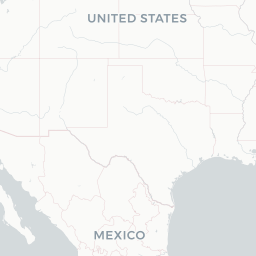
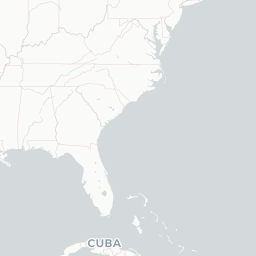
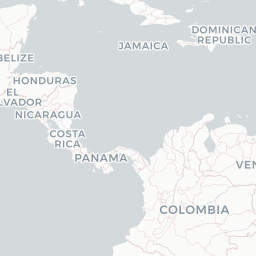
Route map (31 destinations)


Airlines serving this airport
Routes
Pick what matters for your layover or early flight, then compare on your favorite booking site.
IndianAirports may receive compensation when you book or purchase through some of the links on this page, at no additional cost to you. Prices and availability are set by the booking provider and may change. We never share your private trip details with partners — only the destination, dates and party size you searched.
Passport, Visa & Immigration
Flying internationally via HAV? Check entry, transit and customs requirements for Cuba from official government sources.
