Translate


Overview
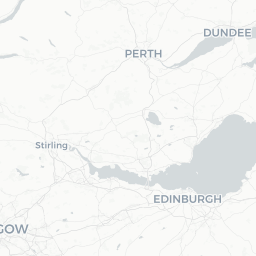
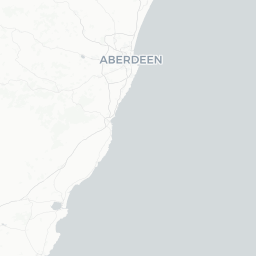
Saint Andrews is a small coastal city in the Kingdom of Fife, Scotland, sitting on a headland where the North Sea meets the Eden Estuary. Despite a population of fewer than 20,000, it punches well above its weight in global recognition — it is regarded as the spiritual home of golf, the location of Scotland's oldest university, and the site of the country's largest ruined cathedral.
The city has a compact, walkable medieval street grid anchored by three main thoroughfares: North Street, Market Street, and South Street. The Old Course and the town's historic core sit in close proximity, making it easy to experience both on foot in a single day.
Saint Andrews has a distinctly academic atmosphere, shaped by the University of St Andrews (founded 1413), whose students make up a significant share of the resident population during term time. This lends the town an energy that belies its size, with a reasonable range of restaurants, independent shops, and cultural events year-round.
For visitors, the appeal is multi-layered: pilgrimage to one of golf's most sacred grounds, exploration of medieval ruins, walking the West Sands beach made famous by the film Chariots of Fire, or simply using the city as a base to explore the wider East Neuk coastline.
Before You Go
Visas
Saint Andrews is in the United Kingdom. Entry requirements depend on your nationality and may have changed. Check TravelerPulse's Visas section for general guidance and consult the UK Government's official immigration authority (UK Visas and Immigration) for current, binding information before you travel.
When to Go
- May–September offers the best conditions for golf, walking the coastal path, and exploring ruins. Daylight extends well into the evening in midsummer.
- June–August is the peak tourist season; accommodation books up fast and prices rise, especially during golf championship events at the Old Course.
- October–April is quieter, cheaper, and still worth considering — the town's academic character is at its strongest during university term, and the landscape has a brooding appeal in winter.
What to Pack
Scottish coastal weather is changeable at any time of year. A waterproof layer, sturdy walking shoes, and warm mid-layers are advisable even in summer. Wind off the North Sea can be sharp regardless of the temperature.
Health
No vaccinations are specifically required for travel to the UK. Travel health and medical insurance is strongly recommended for non-UK residents. Verify coverage requirements with your insurer before departure.
Getting There
By Air
Saint Andrews has no commercial airport. The closest practical options are Edinburgh Airport (approximately 50 miles / 80 km to the southwest) and Dundee Airport (roughly 15 miles / 24 km to the north). Edinburgh is by far the busier hub, with extensive international connections. From Edinburgh, onward travel to Saint Andrews requires connecting transport (see below).
By Train
Saint Andrews does not have its own railway station. The nearest mainline stations are Leuchars (approximately 5 miles / 8 km north, on the Edinburgh–Dundee–Aberdeen line) and Cupar (roughly 8 miles / 13 km to the west). Regular bus services connect both stations to Saint Andrews town centre. Verify current timetables with ScotRail and Stagecoach (or local operators) before travel.
By Bus
Stagecoach Fife operates coach and bus services connecting Saint Andrews to Edinburgh, Dundee, Perth, and local Fife towns. Check current schedules and fares directly with the operator.
By Car
Saint Andrews is accessible via the A91 from the west (connecting to the M90 motorway near Kinross). Driving from Edinburgh typically takes around one hour depending on traffic. Parking within the town centre is limited; several car parks are available on the periphery.
Getting Around
Saint Andrews is a small, primarily walkable city. The cathedral ruins, the Old Course, the castle, the university precincts, the town beaches, and the main shopping streets are all within comfortable walking distance of each other — typically no more than 15–20 minutes on foot from end to end.
Local bus services operated by Stagecoach connect Saint Andrews to surrounding Fife villages, including the East Neuk fishing villages. A car or hired vehicle is practical if you plan to explore the wider region. Taxis are available in the town centre; verify local firms on arrival.
Cycling is possible along coastal paths and country roads, and cycle hire options have been available in the town — confirm availability locally before relying on it for your plans.
Things to See & Do
Golf
The Old Course at St Andrews is the most famous golf course in the world and the centrepiece of the Links Trust, which manages several courses on the common land west of the city. Access to the Old Course is governed by a ballot system (entered the day before play) and a limited number of advance bookings. The course is also closed to play on Sundays and is open for public walking on that day. Visitors should consult the St Andrews Links Trust directly for current booking processes, green fees, and conditions.
The British Golf Museum, adjacent to the Old Course, traces the history of the sport from its origins to the modern era. It is one of the most comprehensive golf museums in the world; verify opening hours and admission fees on the official website.
Cathedral and Castle
The Cathedral of Saint Andrews was, at its completion, the largest church ever built in Scotland. Today it stands as an extensive ruin maintained by Historic Environment Scotland. The attached museum and the opportunity to climb St Rule's Tower for panoramic views make it worth more than a passing glance. Verify admission fees and opening hours with Historic Environment Scotland.
Saint Andrews Castle sits on a sea cliff just north of the cathedral. Its notable features include a mine and counter-mine — one of the best-preserved examples of siege tunnelling in Europe — and a bottle dungeon carved from solid rock. Also managed by Historic Environment Scotland.
University and Town
The University of St Andrews campus is woven into the historic fabric of the town. The university's quad, chapel, and library buildings are worth seeing. The annual Pier Walk tradition, in which students walk the medieval pier on Sundays in academic gowns, is a curious and photogenic local custom during term time.
West Sands Beach, a broad expanse of sand north of the town and the golf courses, is one of Scotland's finest beaches and is free to access. It was used as a filming location for the opening sequence of Chariots of Fire (1981).
The East Neuk
The fishing villages of the East Neuk — Crail, Anstruther, Pittenweem, St Monans, and Elie — are within easy reach by car or bus and represent one of the most attractive stretches of Scottish coastline.
Food & Drink
Saint Andrews has a dining scene that is notably varied for a town of its size, sustained by the university population, golf tourism, and domestic visitors. South Street and Market Street are the main concentrations of restaurants, cafes, and pubs.
What to Eat
- Fish and chips from a local chip shop is a practical and satisfying choice, particularly near the harbour or after a beach walk.
- Scottish seafood — crab, lobster, langoustines, and fresh fish — features on menus at higher-end restaurants, often sourced from East Neuk fishing boats.
- Look out for local bakeries and cafes serving Scottish staples such as Scotch pies, bridies, and tablet (a dense Scottish confection).
Drinking
The town has several traditional pubs popular with students and locals. Real ales, Scottish whiskies, and craft beers are widely available. The pub culture is sociable and unpretentious.
Practicalities
During major golf events and summer weekends, restaurants can be fully booked. Advance reservations are strongly advised in peak periods. Many venues are closed on certain days — verify before visiting.
Shopping
Shopping in Saint Andrews is centred on South Street, Market Street, and the narrow lanes between them. The range leans toward independent retailers rather than major chains, which gives the town centre more character than many Scottish towns of comparable size.
Golf equipment and apparel shops are abundant, catering to the large number of golf visitors. Expect a wide selection of clubs, clothing, and commemorative merchandise. Several shops stock high-quality Scottish goods: cashmere knitwear, Harris Tweed items, locally made jewellery, and Scottish food products such as preserves, oatcakes, and whisky.
A small indoor market and occasional artisan markets operate in the town; verify current schedules locally. The city does not have a large department store or major shopping mall — visitors looking for mainstream retail may find the selection limited.
Practical Information
Money
The currency is the British Pound (GBP). Card payments are accepted almost universally. ATMs are available in the town centre. Scottish banknotes (issued by Scottish banks) are legal tender and in general circulation; they may occasionally be refused in England, though this is increasingly rare.
Connectivity
Mobile coverage in Saint Andrews town is generally good on major UK networks. Free Wi-Fi is available in many cafes, hotels, and public spaces. Confirm roaming charges with your home provider before travel.
Emergency Services
The UK emergency number is 999 (police, fire, ambulance). The non-emergency police number is 101. The nearest general hospital with an accident and emergency department is Ninewells Hospital in Dundee — verify this locally, as healthcare provision can change.
Accessibility
The town centre's historic streets include uneven surfaces, cobblestones, and some steep gradients near the castle and cathedral. Visitors with mobility requirements should plan their route in advance. Some attractions have adapted facilities; confirm with individual venues.
Tipping
Tipping is customary but not obligatory in Scottish restaurants. Around 10–15% is typical for good service. Check whether a service charge has already been added to the bill.
Safety
Saint Andrews is a generally safe destination with a low incidence of serious crime. Standard urban precautions apply: be aware of your belongings in busy tourist areas and around golf events when the town is at its most crowded.
The coastal paths and beaches are safe for walking but can be exposed and windswept. Check weather forecasts before undertaking longer coastal walks. The North Sea is cold year-round; sea swimming should be approached with caution.
For up-to-date travel safety advice, consult your national government's foreign travel advisory service before departure.
Local Culture & Etiquette
Saint Andrews has an unusually layered cultural identity for its size: it is simultaneously a medieval Scottish town, a living university city, and a global pilgrimage site for golf. These identities coexist with occasional tension — residents sometimes feel outnumbered by tourists during the summer months and major golf events.
The university's traditions lend the town a distinctive rhythm. During term time (typically October to May), the student population is highly visible. The Kate Kennedy procession in spring, and the aforementioned pier walk, are among the more visible university customs.
Saint Andrews is also a place of significant religious history: it was the ecclesiastical capital of Scotland in the medieval period, and its ruined cathedral stands as a reminder of both that influence and the upheaval of the Scottish Reformation in the 16th century.
Visitors should be respectful on and around the Old Course, which holds genuine meaning for golfers worldwide. Walking across the Swilcan Bridge on the 18th fairway is possible on Sundays (when the course is closed to play), but general access to the playing surfaces is restricted at other times.