Translate


Overview
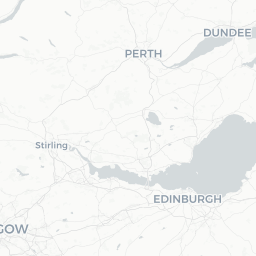
Perth sits at the heart of Scotland on the banks of the River Tay, roughly equidistant between Edinburgh and Inverness. Once the capital of medieval Scotland, it carries a layered history that stretches from Pictish settlements through royal coronations at Scone Palace to a prosperous Victorian trading town. Today it is a compact, walkable city of around 47,000 people that functions both as a destination in its own right and as a practical base for exploring Perthshire's glens, lochs, and distilleries.
The city's compact centre rewards unhurried exploration. The historic North and South Inches — large riverside parklands — frame the urban core and give Perth an unusually open, green feel for a Scottish city. Independent shops line the pedestrianised streets, and the cultural offer has grown steadily with the reopening of the redeveloped Perth Museum on George Street.
Perthshire as a county is often marketed as 'Big Tree Country' for its ancient woodlands, including Europe's oldest known living tree at Fortingall. Visitors who stop only briefly in the city itself risk missing the broader landscape that makes this corner of Scotland distinctive.
Before You Go
Visas
Perth is in the United Kingdom. Visa requirements depend on your nationality and travel history. Check TravelerPulse's Visas section and the official UK Visas and Immigration pages for current, authoritative guidance before booking.
Climate
Perth sits in one of Scotland's drier and sunnier inland corridors, though 'drier' is relative by UK standards. Summers (June–August) are mild, typically 15–20 °C, with long daylight hours. Winters are cold and can bring frost and occasional snow, particularly from December to February. Pack layers and a waterproof jacket regardless of season.
What to Pack
- Waterproof outer layer and sturdy walking shoes or boots
- Layers for variable temperatures even in summer
- Adapter for UK three-pin plugs (Type G) if travelling from outside Britain
- An umbrella or packable rain jacket for city walking
Health
The UK National Health Service (NHS) provides emergency care. Visitors from countries with reciprocal agreements may access some NHS services; check your entitlements before travel. Travel insurance with medical cover is strongly recommended. No vaccinations are specifically required for travel to Scotland.
Getting There
By Air
Perth does not have a commercial airport. The most practical options are Edinburgh Airport (roughly 45–60 minutes by road) and Glasgow Airport (approximately 60–75 minutes by road), both of which have good onward connections to Perth by bus or hire car. Dundee Airport is closer in distance but has very limited scheduled services; verify routes before planning around it.
By Train
Perth railway station is on the main Highland Main Line and has regular ScotRail services connecting to Edinburgh (roughly 1.5 hours), Glasgow (around 1–1.5 hours), Dundee (around 20 minutes), and Inverness (around 2 hours). Journey times and timetables vary; check the National Rail or ScotRail websites for current schedules.
By Bus
Citylink and Megabus operate coach services between Perth and major Scottish cities including Edinburgh, Glasgow, and Inverness. Stagecoach operates regional bus routes across Perthshire. Fares and schedules should be verified directly with operators.
By Car
Perth sits at the intersection of the A9 (the main route north to Inverness) and the A90/M90 motorway corridor connecting Edinburgh and Dundee. The city is straightforward to reach by car, though city-centre parking is limited; multi-storey and council car parks are available.
Getting Around
Perth city centre is compact and very walkable. The two riverside Inches parks, the main shopping streets, and the principal cultural sites are all within comfortable walking distance of one another and of the train station.
Local Stagecoach buses serve surrounding towns and villages in Perthshire. For day trips to more rural areas — Kinnoull Hill, Dunkeld, Pitlochry, Crieff — a hire car gives the most flexibility, though some destinations are reachable by bus or train. Taxis and private hire vehicles are available in the city; verify local operators on arrival.
Cycling is practical within the city, and Perthshire has a growing network of off-road and quiet-road cycling routes. Bike hire availability should be confirmed locally as it can change seasonally.
Things to See & Do
Scone Palace
Located just north of the city, Scone Palace is arguably Perth's most famous attraction. It stands near the site where Scottish kings, including Macbeth and Robert the Bruce, were crowned on the Stone of Destiny. The current palace dates largely from the early 19th century and houses an extensive collection of furniture, porcelain, and clocks. Grounds include a pinetum and maze. Check the palace's official website for opening times and admission prices, as these vary seasonally.
Perth Museum
Perth Museum, housed in the redeveloped former Perth City Hall on George Street, reopened in 2024 after a major transformation. It holds the Stone of Destiny — the ancient coronation stone returned to Perth from Edinburgh Castle — alongside collections covering local history, natural history, and fine and decorative art. Verify current admission policy and opening hours on the museum's official site.
The North and South Inches
These two large public parks flanking the city centre along the Tay are free to visit and well used by locals. The North Inch has sports facilities; both offer pleasant riverside walks and views across to Kinnoull Hill.
Kinnoull Hill
A short drive or longer walk from the centre, Kinnoull Hill Woodland Park rises steeply above the eastern bank of the Tay and offers panoramic views over Perth, the Carse of Gowrie, and on clear days, the distant Highland hills. A ruined folly tower adds a romantic element to the walk. Free to access.
Whisky and Food Experiences
Perthshire sits within easy reach of several Scotch whisky distilleries, including Edradour (near Pitlochry) and Aberfeldy. Many offer tours and tastings; book ahead and confirm current hours and pricing directly with each distillery.
Fair City Arts and Culture
- Perth Theatre and Concert Hall — the city's main venue for theatre, music, and comedy; check the programme on the venue's official site.
- Fergusson Gallery — dedicated to the Scottish Colourist J.D. Fergusson, housed in a distinctive circular building; verify opening hours locally.
- St John's Kirk — a significant medieval church dating to the 12th century, linked to John Knox's pivotal 1559 sermon; free to enter (donations welcomed), check for service times.
Food & Drink
Perth's food and drink scene punches above its size, reflecting both Scottish culinary traditions and a growing independent restaurant culture. Scottish beef (Perthshire and Angus are renowned cattle-farming areas), game, salmon from the Tay, and soft fruits from Blairgowrie appear frequently on local menus.
The city has a cluster of independent cafés, bistros, and restaurants concentrated around the city centre. The Farmers' Market held on the first Saturday of each month in King Edward Street is a good place to encounter local producers selling meat, cheese, preserves, baked goods, and seasonal produce directly; verify dates and locations as these can change.
For whisky, the city has specialist independent whisky retailers given its position as a gateway to several distillery regions. Several hotel bars and independent whisky bars stock extensive selections of single malts from nearby distilleries.
As with any UK city, high-street chains and fast-food outlets are well represented, but visitors interested in local character are better served by the independent sector concentrated in the older streets near the museum and along South Street.
Shopping
Perth's shopping offer is centred on St John's Shopping Centre and the pedestrianised streets around it, which carry a mix of mainstream UK chain stores. More distinctive independent shopping is found along South Street, George Street, and the surrounding lanes, where you will find independent bookshops, gift shops, antique dealers, and specialist food retailers.
For distinctly Scottish souvenirs — tweed, knitwear, whisky, shortbread, and locally made crafts — look to the independent retailers rather than chain souvenir shops for better quality. The Farmers' Market (first Saturday of the month, verify dates) is another source of locally produced food gifts.
Perthshire is also known for antiques; several dealers operate in and around the city, and the wider county has a scattering of antique centres worth exploring if you have a car.
Practical Information
Money
The currency is pound sterling (£). ATMs are available throughout the city centre. Most businesses accept major credit and debit cards; contactless payment is widely used. Some smaller independent shops and rural businesses may prefer or require cash — carry some as a backup.
Connectivity
Free Wi-Fi is available in many cafés, hotels, and public buildings. Mobile coverage within Perth city is generally good across major UK networks; coverage can thin out in rural Perthshire.
Emergency Services
The UK emergency number is 999 (police, fire, ambulance). The non-emergency police number is 101. The NHS 24 health advice line is 111.
Accessibility
Perth city centre is largely flat and many key sites are accessible, though some older buildings have limitations. Contact individual attractions directly to confirm accessibility arrangements before visiting.
Useful Resources
- Visit Perth and Perthshire official tourism site (verify current URL)
- National Rail (nationalrail.co.uk) for train times
- ScotRail (scotrail.co.uk) for Scottish train services
- Traveline Scotland for bus and public transport journey planning
Safety
Perth is a low-key Scottish city with a generally safe environment for visitors. Standard urban precautions apply: be aware of your belongings in busy pedestrian areas and at transport hubs, and avoid poorly lit areas late at night.
The surrounding countryside presents its own considerations for walkers and hikers: weather in Scotland can change quickly even in summer, and Highland terrain demands appropriate clothing, footwear, and navigation tools. Always tell someone your planned route if heading into remote areas, and check weather forecasts before setting out.
The River Tay is one of Scotland's largest rivers and carries strong currents. Stay on designated paths near the riverbanks, particularly after heavy rain.
Local Culture & Etiquette
Perth occupies a significant place in Scottish history. It was the de facto capital of Scotland during much of the medieval period, and nearby Scone was the site of Scottish royal coronations for centuries. This history sits close to the surface: St John's Kirk and the layout of the medieval burgh are still legible in the street plan.
The city identifies strongly as Scottish — culturally, linguistically, and in terms of local pride — while being thoroughly integrated into the UK. Scots is spoken and heard alongside standard English; Gaelic has a historical presence in Perthshire, particularly in the highland glens to the north and west, though it is not widely spoken in the city itself.
Perthshire has a strong tradition of Highland games, most famously the Pitlochry Highland Games and the Dunkeld and Birnam Highland Games, held in summer. These events — featuring athletics, piping, and dancing — are genuine community occasions as well as visitor attractions. Verify current dates and locations before planning a visit around them.