Translate


Overview
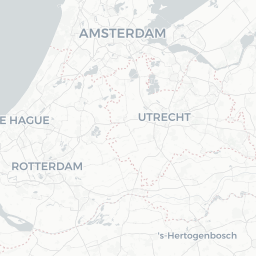
Delft is a compact, walkable city of around 95,000 people in the Dutch province of South Holland, situated between Rotterdam (12 km south) and The Hague (10 km northwest). Its historic centre has changed remarkably little since the 17th century: tree-lined canals, humpback bridges, and gabled brick townhouses still define the streetscape.
The city is internationally recognised for two things above all else. Delftware — the hand-painted blue-and-white tin-glazed earthenware — became synonymous with the city after local potters began imitating Chinese porcelain imports in the 1600s. And Johannes Vermeer, one of the most celebrated painters of the Dutch Golden Age, was born, worked, and died here. Both legacies remain central to the visitor experience today.
Delft is also home to Delft University of Technology (TU Delft), one of Europe's leading technical universities, which gives the city a lively student population and a contemporary energy that sits alongside its heritage. The university's campus includes notable modern architecture worth a walk-through.
Because the old centre is small — most key sights are within comfortable walking distance of the central market square, the Markt — Delft rewards slow exploration. It works well as a day trip but is even better with an overnight stay, when day-tripper crowds thin and the canals take on a quieter character.
Before You Go
Visas
The Netherlands is a Schengen Area member. Visa requirements vary significantly by nationality. Check TravelerPulse's Visas section and the official Dutch immigration authority (IND — Immigratie- en Naturalisatiedienst) for current, accurate rules before you travel.
Health
No vaccinations are required for most visitors. The Netherlands has a high standard of public healthcare. Travel health insurance that covers medical costs and emergency repatriation is strongly recommended. Verify any specific requirements with your own government's travel advisory.
What to pack
- A compact umbrella or light waterproof jacket — rain is possible year-round
- Comfortable walking shoes; the old centre has cobblestones
- A reusable tote; plastic bags are charged in Dutch shops
Money
ATMs are widely available. Card payment (including contactless) is accepted almost everywhere. Some smaller cafés and market stalls still prefer or require cash — carrying a small amount of euros is sensible.
Getting There
By Train
Delft railway station sits just west of the old centre. Direct intercity services connect Delft to Amsterdam Centraal (roughly 1 hour), Rotterdam Centraal (around 12–15 minutes), and The Hague Centraal (around 10–15 minutes). Check NS (Nederlandse Spoorwegen, ns.nl) for current timetables, fares, and OV-chipkaart information.
By Air
The nearest major airport is Rotterdam The Hague Airport (RTM), approximately 15 km away. Amsterdam Airport Schiphol (AMS) is the main international hub and is reachable from Delft by a single train journey (change at The Hague or direct intercity services — verify current routing on ns.nl). Train connections from Schiphol to Delft take roughly 45–60 minutes depending on service.
By Road
Delft lies just off the A13 motorway between Rotterdam and The Hague. Driving into the historic centre is not recommended — parking is limited, paid, and the streets are narrow. Park-and-ride facilities exist on the edges of the city; verify current locations and pricing locally or via the municipality's website (delft.nl).
By Bike
The Netherlands' national cycling network (LF routes and regional paths) passes through Delft. Cycling from The Hague or Rotterdam is a realistic and popular option for those already in the region.
Getting Around
The historic centre of Delft is best explored on foot. Most major sights — the Markt, Nieuwe Kerk, Oude Kerk, Vermeer Centrum, and the canal network — lie within a roughly 10–15 minute walk of each other.
Cycling is practical for reaching TU Delft's campus or the outskirts. Bike rental is available from several operators near the station; verify current providers and rates locally.
Trams and buses connect Delft to The Hague and surrounding areas. The OV-chipkaart (a rechargeable smart card) is the standard payment method for all public transport in the Netherlands. Day-tickets and single-journey e-tickets via apps are also available — check 9292.nl for journey planning.
Delft's canals are navigable by small electric boat, and boat rentals are available seasonally. This offers a different perspective on the historic centre and is a popular choice in summer. Verify current operators and availability locally.
Things to See & Do
The Markt and Nieuwe Kerk
Delft's central market square (Markt) is one of the largest in the Netherlands and remains the social heart of the city. The Nieuwe Kerk (New Church), completed in 1496 — despite its name — contains the mausoleum of William of Orange and the royal crypt of the Dutch House of Orange-Nassau. Climbing the church tower offers panoramic views over the city. Check the church's official site for current opening hours and admission fees.
Oude Kerk
The Oude Kerk (Old Church), dating to the 13th century, leans visibly — its tower tilts roughly two metres from vertical, the result of soft peat subsoil. Vermeer is buried here, as is Admiral Piet Hein. Admission applies; verify current hours and fees directly.
Vermeer Centrum Delft
This centre on Voldersgracht focuses on Vermeer's life and working methods. It does not hold original paintings (Vermeer's surviving works are distributed across major international museums) but provides high-quality reproductions and context. Check vermeerdelftt.nl for current hours and pricing.
Royal Delft (De Porceleyne Fles)
The only surviving Delftware factory from the 17th century still in operation. Visitors can tour the factory floor, watch painters at work, and see historical pieces. Check royaldelft.com for current admission fees and opening hours.
Museum Prinsenhof Delft
Housed in a former convent where William of Orange was assassinated in 1584, this museum covers Delft's history, the Dutch Revolt, and decorative arts including Delftware. The bullet holes from the assassination are preserved in the wall. Verify hours and admission at prinsenhof-delft.nl.
TU Delft Campus
A 20-minute walk or short cycle from the centre, the campus features striking modern architecture including the Library (with its grassy sloped roof) and the Aula. It is a pleasant contrast to the historic centre and freely accessible.
Canal Walks
Some of the most rewarding time in Delft is simply spent walking along the Oude Delft, Hippolytusbuurt, and Koornmarkt canals. The Boterbrug and surrounding streets are particularly photogenic.
Food & Drink
Delft has a solid range of restaurants, brown cafés (bruine kroegen), and bakeries concentrated around the Markt and along the main canals. The market square itself hosts an outdoor market on Thursdays and Saturdays where local produce and street food are sold — verify current market days locally.
What to eat and drink
- Stroopwafels — caramel-filled waffle biscuits, best bought fresh from a market stall
- Bitterballen — fried savoury snacks, a staple of Dutch café culture
- Dutch cheese — Gouda and Edam are widely available; local shops often offer tastings
- Jenever (Dutch gin) — the historic spirit of the Low Countries; traditional brown cafés often carry a good selection
- Herring — available from street stalls, typically eaten with raw onion and pickles
The student population supports a variety of budget-friendly options alongside more formal dining. For specific restaurant recommendations, consult recent reviews on independent platforms before your visit, as the food scene changes regularly.
Shopping
Shopping in Delft centres on the pedestrianised streets radiating from the Markt, particularly Choorstraat, Oude Langendijk, and Wijnhaven.
Delftware is the signature purchase. Authentic hand-painted pieces are sold at Royal Delft and several specialist shops in the centre. Be aware that many souvenir items labelled 'Delft' are mass-produced imports and not made in Delft — if authenticity matters, buy from established dealers or directly from Royal Delft, and look for the factory mark on the base.
The Thursday and Saturday markets on the Markt offer flowers, cheese, fresh produce, and assorted goods. A smaller antiques and books market also takes place periodically — verify current schedules locally.
For everyday shopping, the centre has a standard mix of Dutch and international chain retailers alongside independent boutiques.
Practical Information
Emergency Numbers
- General emergency (police, fire, ambulance): 112
- Non-emergency police: 0900-8844 (verify this number remains current on the Dutch police website, politie.nl)
Electricity
The Netherlands uses Type C and F plugs at 230V/50Hz. Travellers from the UK, US, or Australia will need an adapter.
Tipping
Tipping is not obligatory in the Netherlands. Rounding up the bill or leaving 5–10% for good service in restaurants is common and appreciated. Tipping at cafés and for drinks is not standard.
Wi-Fi and Connectivity
Free Wi-Fi is available in many cafés and hotels. EU roaming rules mean visitors from EU countries pay domestic rates; travellers from outside the EU should verify data roaming costs with their provider or consider a local SIM.
Accessibility
Delft's cobblestoned streets and canal-side terrain present challenges for wheelchair users and those with mobility difficulties. The railway station is step-free. Contact the municipality (delft.nl) or individual attractions for specific accessibility information.
Useful Websites
- City tourism: delft.nl (official municipality) and delft.com (tourism portal — verify this remains active)
- National rail: ns.nl
- Journey planning: 9292.nl
Safety
Delft is a safe city by most measures, with crime rates typical of a mid-sized Dutch university town. Petty theft — pickpocketing and bicycle theft — is the most common concern, particularly in busy tourist areas around the Markt and the railway station.
- Keep valuables secured and be attentive in crowded spaces
- Use marked, secure cycle parking if renting a bike; always lock it properly
- Canals have low or no barriers in many places; exercise care after dark, particularly if you have been drinking
- Cyclists move quickly and often silently on designated lanes — look both ways before stepping into what may appear to be a pavement
Consult your own government's travel advisory for the Netherlands for any current advisories before departure.
Local Culture & Etiquette
Delft carries a deep connection to the Dutch Golden Age (roughly 1588–1672), the period during which the Dutch Republic became a dominant trading and cultural power. The city was a centre of commerce, science (Antonie van Leeuwenhoek, pioneer of microscopy, was born and worked here), and the arts. This heritage is present everywhere in the architecture and museum collections.
The Dutch value directness in communication — straightforwardness is not considered rude. English is spoken fluently by the vast majority of residents under 60, and making an effort with a few Dutch words ("dank u wel" for thank you, "alstublieft" for please/here you go) is appreciated even if not expected.
Sunday trading hours are shorter than weekdays in many shops, and some smaller businesses close on Monday mornings. Plan accordingly if shopping is part of your itinerary.
Cycling is deeply embedded in daily life. Pedestrians should stay out of designated cycle lanes (often marked in red), and should not walk on them even briefly — cyclists will ring their bell to signal your error rather than slow down significantly.