Translate


Overview
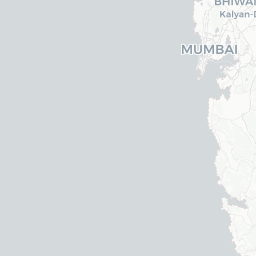
Thāne (also spelled Thane) sits at the head of Thane Creek, roughly 35 km northeast of central Mumbai, and is often described as the 'City of Lakes' — the municipal corporation counts more than 30 lakes within city limits. With a population approaching two million, it is far more than a suburb: it has its own commercial districts, cultural institutions, railway terminus, and a distinct civic identity shaped by centuries of Koli fishing communities, Portuguese colonial rule, and rapid post-independence urbanisation.
The city's geography is defined by water. Ulhas River and Thane Creek bound it to the east, while the mangrove-fringed creek shores and interior lakes give Thane an unusually green character for a city of its size. Yeoor Hills, rising inside Sanjay Gandhi National Park's buffer zone, offer forested ridges visible from much of the urban area.
For travellers, Thane is a practical, affordable base for exploring the Mumbai Metropolitan Region, and rewards those who slow down to explore its lakes, the Kopineshwar Temple precinct, weekend markets, and the modest but genuine local food scene rooted in Maharashtrian and Koli coastal cuisines.
Before You Go
Visas
India has specific visa requirements that vary significantly by nationality, purpose of visit, and duration of stay. Do not rely on this guide for visa decisions. Check TravelerPulse's Visas section and verify current requirements directly with the Bureau of Immigration, India (indianvisaonline.gov.in or boi.gov.in) before booking.
Health
No vaccinations are mandatory for entry from most countries, but travellers should consult a travel-health clinic well before departure. Routine vaccinations (hepatitis A, typhoid) are commonly recommended for travel in Maharashtra. Tap water is not safe to drink; stick to sealed bottled water or use a certified filter. Mosquito precautions are advisable, particularly during and just after the monsoon (June–September).
Climate & when to go
- October–February: Pleasant 18–32 °C range, low humidity, ideal for sightseeing and lake walks.
- March–May: Hot and humid; temperatures can exceed 38 °C. Manageable but demanding.
- June–September: Southwest monsoon brings heavy rainfall; Thane Creek and lakes fill dramatically, and the hills turn intensely green. Some outdoor paths become slippery or inaccessible. Flooding can disrupt transport.
Connectivity
SIM cards from major Indian operators (Jio, Airtel, BSNL) are available at the airport and across the city. Thane has solid 4G coverage. Carry your passport when purchasing a SIM — registration is required.
Getting There
By Rail
Thane is a major node on the Central Railway's mainline and is served by both suburban local trains from Chhatrapati Shivaji Maharaj Terminus (CSMT) Mumbai and long-distance express trains connecting to Pune, Nashik, Nagpur, and cities across India. The journey from CSMT takes roughly 35–50 minutes by local train depending on service type. Thane station is large, well-signed, and has facilities including ATMs and food stalls.
By Road
The Mumbai–Nashik Highway (NH 160 / old NH 3) and the Eastern Express Highway link Thane to central Mumbai and the wider region. State-run MSRTC buses and private coaches operate to destinations across Maharashtra. Rickshaws, taxis, and app-based ride-hailing services cover the last mile from highway drop-off points.
By Air
The nearest airport is Chhatrapati Shivaji Maharaj International Airport (BOM) in Mumbai, approximately 20–25 km from central Thane by road (journey time varies considerably with traffic; allow 45–90 minutes). Pre-paid taxis and app cabs are available at the airport; the Ola/Uber pickup zones are clearly signed.
Getting Around
Thane's urban core is navigable by a combination of auto-rickshaws, local buses (BEST and TMMT operate routes within the city), and app-based cabs (Ola, Uber, Rapido). Auto-rickshaws run on meter in the municipal area; confirm the meter is running at the start of the ride.
The suburban train network connects Thane to nearby stations including Kalwa, Mumbra, and Diva, useful if you are exploring the broader district. Within the central lake district and bazaar areas, walking is practical and often the most efficient way to move between sights.
Parking is congested near the station and central markets on weekends. If arriving by car, budget extra time or use the train for the core city area.
Things to See & Do
Lakes and waterfront
Talav Pali (Masunda Lake) is the city's most prominent lake and the focal point of the civic lake-walk trail. Upvan Lake, near the Yeoor Hills edge, is popular for morning walks and has a small boating facility (verify current operating status locally). Several smaller lakes — including Kausa, Makhamali, and Ram Maruti — are woven into residential neighbourhoods and worth a quiet wander.
Kopineshwar Temple
This active Shiva temple near the old bazaar area dates in its present form to the 18th century, though the site's religious significance is far older. It is one of Thane's most architecturally interesting landmarks and a centre of local festival life. Dress modestly and remove footwear before entering the main shrine.
Yeoor Hills and Sanjay Gandhi National Park fringe
The forested Yeoor Hills on Thane's northern edge are a popular weekend escape. Trails through the mixed deciduous forest offer birdwatching opportunities and views over the city and creek. Sections fall within or adjoin Sanjay Gandhi National Park; check current access rules and entry requirements with the forest department before visiting.
Kelva and Bassein Forts (day excursions)
The wider Thane district contains several Portuguese-era coastal forts. These are reached by road and are suitable as half-day or full-day excursions.
Thane Creek Flamingo Sanctuary
The mudflats and mangroves of Thane Creek support large seasonal flocks of lesser flamingos, typically at their most numerous between November and May. The sanctuary is managed by the Maharashtra Forest Department; access and permitted viewing areas change — verify the current situation locally before visiting.
Arts and culture
Gadkari Rangayatan is Thane's principal municipal theatre and hosts Marathi drama performances throughout the year. Check local listings for current productions.
Food & Drink
Thane's food culture is rooted in Marathi home cooking, Koli seafood traditions, and the broader North Indian and South Indian influences that accompany any large Maharashtra city. The central bazaar areas and station environs have a dense concentration of affordable eateries.
What to eat
- Koli fish dishes: The Koli community has fished these waters for generations. Look for bombil (Bombay duck) fry, fresh pomfret, and spicy coastal curries at establishments near the creek-side neighbourhoods.
- Maharashtrian thali: A full spread of bhaji, amti (lentil), rice, and bhakri (millet flatbread) is widely available at mid-range Maharashtrian restaurants.
- Street snacks: Vada pav, misal pav, and pav bhaji are ubiquitous and inexpensive throughout the city.
- Modak and puran poli: Traditional sweets worth seeking out, especially around Ganesh Chaturthi.
Practicalities
Vegetarian options are plentiful. Alcohol is available at licensed restaurants and liquor stores; Maharashtra is not a dry state, though licensed premises require checking. Tap water is not safe to drink; use sealed bottles.
Shopping
The area around Thane Station and the lanes of the old bazaar (particularly the stretch toward Kopineshwar Temple) form the city's traditional retail core. You will find textile shops, spice merchants, and everyday goods at competitive prices.
R-Mall, Viviana Mall, and Korum Mall are large air-conditioned shopping centres within the city offering branded retail, food courts, and multiplex cinemas — useful if you need familiar goods or a break from the heat. Weekly street markets (haats) in outer neighbourhoods are good for local produce and household goods; ask locally about current schedules as these can shift.
Practical Information
Money
ATMs are widely available across the city, including at Thane Station. UPI-based digital payments (Google Pay, PhonePe, Paytm) are accepted by the majority of shops, restaurants, and auto-rickshaw drivers. Keep some cash for very small vendors and rural excursions.
Emergency contacts
India's national emergency numbers: Police 100, Ambulance 108, Fire 101. Thane has government hospitals including Thane Civil Hospital; private hospitals are also present throughout the city. Verify current contact details locally or through your accommodation.
Connectivity and services
Post offices, pharmacies, and government service centres are distributed across the city. The Thane Municipal Corporation website is the official source for civic information; verify the current URL independently.
Religious and cultural etiquette
Remove footwear before entering temples. Photography restrictions vary by temple and site — look for posted notices or ask staff. Dress conservatively when visiting religious sites.
Safety
Thane is generally considered one of the more liveable and relatively safe large cities in the Mumbai Metropolitan Region. Petty theft around busy transport hubs (station concourse, crowded markets) is the most common concern for travellers; keep bags in front and avoid displaying expensive items.
Road traffic is heavy and pedestrian infrastructure is inconsistent — cross streets carefully and do not assume vehicles will yield. During monsoon, flooded roads and creek overflow can create hazardous conditions; monitor local news if visiting June–September.
Standard urban precautions apply: use app-based or prepaid transport at night, share your itinerary with someone you trust, and note the address of your accommodation before heading out.
Local Culture & Etiquette
Thane has a strong Maharashtrian civic identity. Marathi is the dominant language in daily life — learning a few basic phrases (namaskar for greeting, dhanyawad for thank you) is appreciated. The city has a significant historical connection to the Koli fishing community, which predates the colonial period and remains culturally active.
Ganesh Chaturthi (typically August–September) is the city's most visibly celebrated festival, transforming streets with processions, music, and community gatherings. Gudi Padwa (Marathi New Year, March–April) and Diwali are also celebrated with considerable energy.
The city's Portuguese colonial chapter, though less immediately visible than in Goa or Mumbai's Fort area, left traces in some place names and in the fabric of the older neighbourhoods near the creek.