Overview
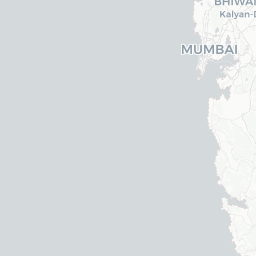
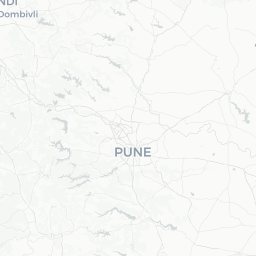
Dombivali is a densely populated city in the Thane district of Maharashtra, located roughly 40–45 km northeast of central Mumbai along the Central Railway line. With a population exceeding one million, it functions primarily as a large residential and commuter city — home to working and middle-class families who travel daily into Mumbai and Thane for employment.
The city is administratively part of the Kalyan-Dombivali Municipal Corporation (KDMC) and is divided into two broad halves: Dombivali East, which is home to a significant industrial and chemical manufacturing zone, and Dombivali West, which is the more residential and commercially active side centred around the railway station.
Dombivali has a pronounced Marathi cultural character. It is known within Maharashtra for its active participation in festivals — particularly Ganesh Chaturthi and Diwali — and for a strong tradition of Marathi theatre, music, and community life. Several noted Marathi cultural figures and writers have had connections to the city.
For most international or domestic tourists, Dombivali is not a primary destination in itself, but it offers an authentic, unhurried window into everyday suburban Maharashtrian life, with good local food, active street markets, and genuine community festivals. It is also a practical base for exploring the broader Konkan and Thane district region.
Before You Go
Visas
India requires a visa for most foreign nationals. For current entry requirements, check TravelerPulse's Visas section and the official website of India's Bureau of Immigration. Requirements and e-visa eligibility vary significantly by nationality.
What to expect
Dombivali is a working city, not a tourist resort. Infrastructure is functional but basic by international standards. Streets around the market areas and station can be very crowded, particularly in the morning and evening commuter rush hours. Footpaths are often uneven; wear sturdy, comfortable shoes.
Health
Drink only bottled or filtered water. Street food is widely available and generally popular with locals, but exercise the usual caution — choose busy stalls with visible turnover. Carry basic medication for stomach upsets. Mosquito repellent is advisable, particularly during and after the monsoon season (June–September).
Connectivity
Mobile data (4G/5G) from major Indian carriers such as Jio, Airtel, and Vi works reliably across the city. Local SIM cards can be purchased at authorised retailer outlets with a passport and a passport-sized photograph; verify current documentation requirements at purchase.
Getting There
By Train (recommended)
Dombivali is served by the Central Railway line of Mumbai's suburban rail network. Trains from Chhatrapati Shivaji Maharaj Terminus (CSMT) in Mumbai run frequently throughout the day and stop at Dombivali station. Journey time is approximately 50–65 minutes depending on the service (fast vs. slow local train). This is by far the most practical and affordable way to arrive. Verify current timetables at the Indian Railways website (indianrail.gov.in) or on the NTES/UTS apps.
By Road
Dombivali is accessible via the National Highway network and state roads connecting Thane, Kalyan, and Mumbai. Auto-rickshaws, taxis, and app-based cab services (Ola, Uber) operate in the area. Road journey times from central Mumbai vary considerably depending on traffic — allow 1.5 to 3 hours during peak periods.
Nearest Airport
Chhatrapati Shivaji Maharaj International Airport (BOM) in Mumbai is the nearest major airport, approximately 45–55 km from Dombivali. Navi Mumbai International Airport (under development as of this writing) may eventually offer a closer alternative — verify its operational status before travel.
Getting Around
Dombivali West's main commercial and residential areas are reasonably walkable if you are staying near the station. For journeys across the city or to Dombivali East, auto-rickshaws are the standard mode of transport and are widely available. Negotiate the fare or insist on the meter before boarding; verify locally whether meters are in regular use.
App-based ride services (Ola, Uber) are available and can be a convenient alternative to flagging down autos, particularly if you are unfamiliar with local fares. KDMC-operated buses also serve various routes within the city and connecting to Kalyan and Thane — route information is best verified locally or through the MSRTC/KDMC transport offices.
Dombivali East, where the industrial zone is located, is less frequently visited by travellers and is best reached by auto or cab rather than on foot.
Things to See & Do
Ganesh Chaturthi Celebrations
If your visit coincides with Ganesh Chaturthi (typically August–September), Dombivali's community celebrations are considered among the more traditional and well-organised in the Thane district. Neighbourhood mandals (community groups) erect elaborate pandals (temporary structures) with large Ganesh idols. The atmosphere is festive, musical, and genuinely participatory. This is one of the most authentic ways to experience the festival outside of Pune or central Mumbai.
Explore Local Markets
The areas around Dombivali West station and the main commercial streets host active daily markets selling produce, textiles, household goods, and street food. Simply walking through these markets provides an unscripted look at suburban Maharashtrian commerce and daily life.
Marathi Cultural Spaces
Dombivali has a strong tradition of Marathi natya (theatre) and music. Local sabhagruhas (community halls) host performances and cultural programmes, particularly during festival seasons. Check local Marathi-language newspapers or community notice boards for upcoming events during your visit.
Ganesh Ghat and Waterfront Areas
The city has waterfront and lakeside areas, including spaces used during Ganesh idol immersion. These are more atmospheric during festival periods but can also be quiet spots at other times. Verify accessibility and condition locally before visiting.
Food & Drink
Dombivali's food scene is firmly rooted in Maharashtrian home cooking and street food. The city is not known for upscale dining, but it offers genuine and affordable local cuisine.
What to eat
- Misal Pav: A spiced sprouted lentil curry served with bread rolls — a Maharashtrian staple and extremely popular at local eateries and street stalls.
- Vada Pav: The ubiquitous Mumbai-style potato fritter in a bread roll, available from street carts throughout the city.
- Batata Vada, Sabudana Khichdi, Pohe: Common breakfast items served at small eateries (khanavals) and stalls, particularly in the morning.
- Thali meals: Several local restaurants serve full Maharashtrian or North Indian thali meals at very reasonable prices for lunch.
- Street snacks: Bhel puri, pav bhaji, and various chaat variations are widely available near the station and market areas.
Drinks
Sugarcane juice stalls, nimbu pani (lemonade), and chai (tea) from roadside tapris are common. Alcohol is available at licensed establishments; Maharashtra has licensed liquor shops (wine shops) and some restaurants hold bar licences — look for signage indicating a liquor licence.
As with all street food, choose stalls with visible customer turnover and freshly prepared items.
Shopping
Shopping in Dombivali is practical rather than tourist-oriented. The main commercial streets near the West station area have shops selling clothing, textiles, footwear, daily household goods, and electronics. Prices are generally lower than in Mumbai's tourist-facing markets.
For traditional Maharashtrian items — including sarees, traditional dress fabrics, and festival-related goods — the local textile shops around the market area are a good starting point. Bargaining is common in open markets but less so in fixed-price retail shops.
There are no major malls specifically in Dombivali, though nearby Kalyan and Thane have larger shopping complexes if you require them.
Practical Information
Emergency contacts
For emergencies in India, the national emergency number is 112 (police, fire, medical). Verify local hospital locations with your accommodation upon arrival.
ATMs and cash
ATMs from major Indian banks (SBI, HDFC, ICICI, Axis) are available throughout the city. Carry some cash as smaller eateries, auto-rickshaws, and market vendors often prefer or require it. UPI-based digital payments (Google Pay, PhonePe, Paytm) are widely accepted even by small vendors.
Medical
Dombivali has private clinics and hospitals. For serious medical needs, Thane or Mumbai's larger hospitals are a better option. Pharmacies (medical stores) are common and many over-the-counter medications are available without prescription.
Climate note
The monsoon season (June–September) brings heavy and sustained rainfall. Flooding of streets and disruption to local transport can occur. Travel during this period requires flexibility. The October–November post-monsoon period sees green surroundings and more manageable weather.
Power
India uses 230V / 50Hz electricity. Socket types are primarily Type D (three round pins) and Type C (two round pins). Bring a universal adapter.
Safety
Dombivali is generally considered a safe city by Indian urban standards, with a strong community character and low levels of tourist-targeted crime — in part because relatively few international tourists pass through. Standard urban precautions apply: be aware of your surroundings in crowded areas, keep bags secure, and avoid displaying expensive electronics or jewellery conspicuously.
The railway station area during peak commuter hours (roughly 7–10 AM and 5–9 PM) can be extremely crowded. Pickpocketing is a risk in such environments universally; keep valuables in a front pocket or secure bag.
For solo female travellers, the same general cautions that apply across Indian cities are relevant: use licensed or app-based transport rather than unmarked vehicles, be aware of your surroundings after dark, and stay in well-lit, busy areas in the evening. Dombivali's residential neighbourhoods are generally calm at night.
In the event of any emergency, dial 112.
Local Culture & Etiquette
Dombivali has a strong Marathi cultural identity, and visitors will notice this in everyday life — the language of signage, conversation, local media, and community events is predominantly Marathi. A basic greeting in Marathi ("Namaskar") is always appreciated, though Hindi and some English are understood in most commercial contexts.
The city's residents place significant importance on religious and community festivals. During Ganesh Chaturthi, Navratri, and Diwali, the city transforms with lights, music, and communal activity. Visitors attending public celebrations are generally welcome; dress modestly, be respectful of religious spaces and rituals, and ask before photographing individuals or religious ceremonies.
Dombivali's cultural scene also includes a long tradition of Marathi dramatic arts (natak) and classical music. Community sabhagruhas (halls) are active venues. If attending a local performance, even as an observer, modest and respectful dress is appropriate.
As in most of Maharashtra, removing footwear before entering homes and places of worship is standard practice. Follow the lead of those around you.