Overview
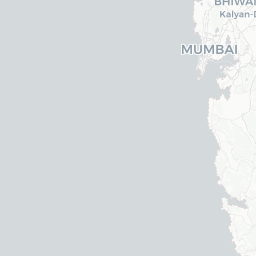
Kalyān is a large city in the Thane district of Maharashtra, situated roughly 54 km northeast of Mumbai along the Ulhas River. With a population exceeding 1.2 million, it forms part of the Mumbai Metropolitan Region and serves as one of western India's most important railway junctions, connecting trains heading north toward Nasik and Igatpuri, east toward Pune, and south down the Konkan coast.
Historically, Kalyān was a significant port and trading centre long before Mumbai rose to prominence. It passed through the hands of the Silhara dynasty, the Bahmani Sultanate, the Portuguese, and finally the Marathas under Chhatrapati Shivaji Maharaj, each leaving traces in its architecture, place names, and local culture. The old town retains narrow lanes, mosques, temples, and remnants of fortifications that speak to this layered past.
For most visitors, Kalyān functions either as a transit point toward hill stations and coastal destinations, or as a day-trip from Mumbai to explore its quieter historical fabric. That said, the city's local markets, riverside ghats, and nearby trekking routes give independent travellers genuine reason to linger.
Before You Go
Visas
India's visa requirements vary significantly by nationality. Visit TravelerPulse's Visas section for a starting point, and always confirm current rules directly with the Bureau of Immigration, India or your nearest Indian embassy or consulate before travel.
Health
Drinking tap water is not recommended; carry or buy sealed bottled water. Standard travel vaccinations advised for India generally apply — consult a travel medicine clinic well ahead of departure. During and immediately after the monsoon (June–September), mosquito-borne illnesses including dengue can be a concern; use repellent and appropriate clothing.
Climate
- Winter (Nov–Feb): Temperatures roughly 15–30 °C; comfortable and dry — the most pleasant period to visit.
- Summer (Mar–May): Hot and increasingly humid, temperatures can exceed 38 °C.
- Monsoon (Jun–Sep): Heavy rainfall, high humidity; the surrounding hills turn lush but travel can be disrupted.
What to Pack
Light, breathable cotton clothing suits most of the year. For monsoon travel add waterproof layers and footwear that can handle wet, muddy paths. Modest dress is advisable when visiting religious sites.
Getting There
By Train
Kalyān Junction is the most practical entry point for most travellers. It is a major node on the Central Railway line out of Mumbai's Chhatrapati Shivaji Maharaj Terminus (CSMT) and Dadar, with frequent local train services throughout the day. Long-distance express and mail trains connecting Mumbai to Nashik, Aurangabad, Pune, Nagpur, and destinations across India also stop here. Journey time from CSMT on a local train is typically around 60–75 minutes depending on the service type; verify current timetables on the Indian Railways enquiry platform (enquiry.indianrail.gov.in) or the IRCTC app.
By Road
Kalyān is accessible via the Mumbai–Nashik Highway (NH 160) and the Mumbai–Pune Expressway corridor. State transport (MSRTC) buses operate between Kalyān and various Maharashtra destinations; private buses and shared taxis are also available. Auto-rickshaws and app-based cabs (Ola, Uber) operate within the wider metro area.
Nearest Airport
Chhatrapati Shivaji Maharaj International Airport (BOM) in Mumbai is the nearest major international airport, approximately 50–55 km west of Kalyān. Journey time by road varies considerably with traffic; the train from nearby Andheri or Thane is often a faster option.
Getting Around
Within Kalyān, auto-rickshaws are the primary mode of short-distance travel and are metered, though it is worth confirming the meter is running or agreeing on a fare beforehand. Shared autos (fixed-route) operate on several corridors and are inexpensive.
Local buses run by MSRTC and the municipal authority connect Kalyān with neighbouring areas including Dombivli, Ambarnath, Badlapur, and Murbad. For travel to trekking trailheads and rural forts, local buses or hired vehicles (negotiate rates in advance) are the practical options, as app-based cabs may have limited availability outside the main urban core.
Kalyān is divided broadly into Kalyān East and Kalyān West by the railway line; pedestrian subways and road bridges connect the two sides. The old town and most historical sites are largely walkable if you are staying centrally, though footpaths vary in quality.
Things to See & Do
Historical Sites
- Kalyān Fort (Durgadi Fort): A small but historically significant fort overlooking the Ulhas River, associated with the Maratha period. The Durgadi Devi temple within the fort compound is an active place of worship and draws local devotees. Verify access hours locally.
- Old Mosque (Jama Masjid area): The old town contains mosques dating to the medieval period, reflecting Kalyān's long history as a commercially mixed settlement. Dress modestly and seek permission before photographing interiors.
- Portuguese-era remnants: Traces of Portuguese-era construction survive in parts of the older quarters; a walk through the historic lanes with a knowledgeable local guide is worthwhile.
Nature and Trekking
The Sahyadri (Western Ghats) foothills begin within easy reach of Kalyān, making it a popular base for trekkers.
- Ulhas Valley and Bhivpuri waterfalls: Accessible by train to Bhivpuri Road station (on the Karjat line), these falls are especially impressive during and just after the monsoon.
- Kondana Caves and Rajmachi Fort: Within roughly 1.5–2 hours by road/rail+trek; confirm current conditions and trail access before visiting.
- Kalu and Peth Forts: Moderate treks in the hills north and east of Kalyān; popular with Mumbai and Pune trekking groups on weekends.
Ghats and River
The ghats along the Ulhas River offer a quieter, contemplative side of the city — early mornings see residents bathing, fishing, and performing puja. The river and surrounding wetlands also attract waterbirds, particularly in winter.
Food & Drink
Kalyān's food scene is rooted in Maharashtrian home cooking and the broader street-food culture of the Mumbai Metropolitan Region. Expect to find vada pav, misal pav, poha, and bhel puri at stalls throughout the city — these are reliable, popular, and inexpensive options for breakfast and snacks.
The city has a noticeable Muslim heritage, particularly in the old town, and you will find biryani restaurants, kebab stalls, and nihari shops in those quarters. Both vegetarian and non-vegetarian options are widely available; pure-vegetarian thali restaurants and fast-food chains serving Indian snacks are plentiful near the railway station.
Fresh fish — pomfret, surmai (kingfish), bombil (Bombay duck) — appears in many local non-vegetarian establishments, sourced from nearby coastal fishing communities. Kalyān is not a destination renowned for upscale dining, but it offers honest, affordable meals representative of the region. Carry cash as many smaller eateries may not accept cards.
Shopping
The areas around Kalyān railway station and the main market streets in both Kalyān East and West offer everyday shopping: textiles and saris, street clothing, household goods, fresh produce, and local snacks. This is functional, bustling urban commerce rather than curated artisan shopping.
The city is known in the region for its textiles and has traditional cloth merchants in the older market areas. During festivals such as Ganesh Chaturthi and Diwali, temporary markets expand considerably and the atmosphere is lively. For branded retail and malls, the broader Thane and Dombivli areas nearby offer more options, but Kalyān's local markets have their own unpretentious character worth experiencing.
Practical Information
Money
ATMs are widely available near the railway station and main commercial streets. Carry some cash for auto fares, street food, and smaller establishments. UPI-based payments (Google Pay, PhonePe, Paytm) are accepted at many vendors, including market stalls.
Connectivity
SIM cards from major Indian operators (Jio, Airtel, Vi) can be purchased at the station and throughout the city with a valid passport and visa; 4G coverage is generally reliable in the urban area.
Hospitals and Emergency
Kalyān has government and private hospitals. For specific contact details and emergency numbers, verify locally on arrival or via Maharashtra's official health department portal. The all-India emergency number is 112.
Luggage
The railway station has a cloak room (luggage storage) — confirm availability and current charges at the station.
Electricity
India uses 230V/50Hz; plug types C, D, and M are standard. Bring a universal adapter.
Safety
Kalyān is a large, busy city and is broadly safe for travellers exercising ordinary urban awareness. Petty theft (pickpocketing, bag snatching) can occur in crowded market areas and at the busy railway station — keep valuables secured and be alert in dense crowds.
Traffic is chaotic by most international standards; exercise caution when crossing roads and do not assume vehicles will yield. Auto-rickshaw drivers occasionally attempt to quote inflated fares to unfamiliar visitors; insisting on the meter or agreeing a rate in advance mitigates this.
Solo female travellers should exercise the same caution they would in any large Indian city: avoid isolated areas after dark, prefer well-lit and populated routes at night, and use app-based cabs where possible in the evening. The general advice for travel in urban Maharashtra applies here.
Local Culture & Etiquette
Kalyān is a genuinely multicultural city with Hindu, Muslim, and smaller Christian communities that have coexisted here for centuries — a legacy of its position as a historic port and trading town. Marathi is the dominant language and local culture aligns with broader Maharashtrian traditions, including devotion to figures like Chhatrapati Shivaji and the annual exuberance of Ganesh Chaturthi.
When visiting temples and mosques, remove footwear before entering, dress modestly (covering shoulders and knees), and ask permission before photographing worshippers or religious ceremonies. During Friday afternoon prayers at mosques, be respectful of the heightened activity around those spaces.
Festivals including Diwali, Eid, and Ganesh Chaturthi are celebrated visibly and enthusiastically. If your visit coincides with a major festival, expect greater crowds, noise, and celebratory street activity — it can be memorable, but plan for disrupted transport and limited availability at smaller shops.