Overview
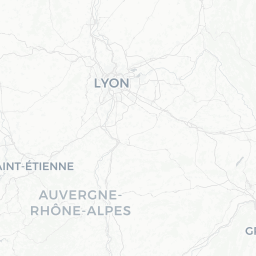
Lyon is France's third-largest city by population, sitting at the confluence of the Rhône and Saône rivers in the Auvergne-Rhône-Alpes region. It has been continuously inhabited since the Roman settlement of Lugdunum in 43 BCE and today carries that layered history in its architecture, underground passages, and street plan.
The city is internationally recognised as one of Europe's premier food destinations — a reputation built on centuries of culinary tradition, the influence of legendary chefs such as Paul Bocuse, and an unbroken culture of market-going and careful cooking. Beyond food, Lyon offers a UNESCO-listed historic centre, a thriving contemporary arts scene, and a compact, walkable layout that rewards explorers.
Lyon operates as a genuine French city rather than a purely tourist destination: locals outnumber visitors in most neighbourhoods, the markets are functional rather than decorative, and daily life is visible and accessible. This gives the city an authenticity that can be harder to find in more heavily touristed French cities.
Before You Go
Visas
France is part of the Schengen Area. Visa requirements depend on your nationality. Check TravelerPulse's Visas section for general guidance, and always verify your specific requirements with the French consulate or official immigration authority in your home country before travelling.
Health
No vaccinations are required for most travellers visiting France from Western countries, but ensure routine immunisations are up to date. France has a high-quality public health system. EU/EEA citizens should carry a European Health Insurance Card (EHIC); travellers from other countries should arrange comprehensive travel health insurance before departure.
What to pack
- Comfortable walking shoes — Lyon's cobbled streets and hillside neighbourhoods (particularly La Croix-Rousse and Fourvière) involve a lot of foot travel
- A light layer even in summer, as evenings near the rivers can be cool
- Adapter for Type E French power outlets if travelling from outside continental Europe
- Some cash — smaller bouchons and market stalls may not accept cards
Getting There
By Air
Lyon-Saint Exupéry Airport (LYS) is the main international gateway, located approximately 25 km east of the city centre. It is served by a range of European carriers and some long-haul routes. The Rhônexpress tram provides a direct link between the airport and Lyon Part-Dieu train station; verify current journey times and fares on the Rhônexpress official website before travel.
By Train
Lyon is extremely well connected by rail. High-speed TGV services link the city to Paris (approximately 2 hours), Marseille, Bordeaux, Lille, and several other major French cities. Lyon has two main stations: Lyon Part-Dieu (the primary intercity hub in the east of the city) and Lyon Perrache (in the south, also serving regional routes). Book through SNCF or your preferred rail booking platform.
By Road
Lyon sits at a major motorway junction. Several autoroutes converge here, making it accessible by car or coach from across France and neighbouring countries. Long-distance coach services (including Flixbus and BlaBlaBus) serve Lyon from multiple cities. Driving into the city centre is possible but parking can be difficult and costly; park-and-ride facilities exist on the city's periphery.
By Bus
International and domestic coach services use various stops in Lyon; confirm the exact terminal for your service when booking.
Getting Around
Public Transport
Lyon's public transport network (TCL — Transports en Commun Lyonnais) is extensive and covers metro, tram, bus, and funicular lines. The metro is clean, reliable, and runs to most major points of interest. The two funicular lines ascend from Vieux-Lyon to the Fourvière hill and Saint-Just neighbourhood. Tickets cover the whole network and can be purchased at station machines; multi-day passes are available — verify current fares on the TCL website.
Cycling
Lyon operates a public bike-share scheme called Vélo'v, with docking stations spread across the city. The riverside paths along both the Rhône and Saône are well-suited to cycling and largely flat. Some hilly neighbourhoods (Fourvière, upper Croix-Rousse) are less cycle-friendly.
Walking
Much of central Lyon — Presqu'île, Vieux-Lyon, and the riverside quays — is comfortably walkable. The traboules (covered passageways through residential buildings) are a distinctive feature of Vieux-Lyon and Croix-Rousse and best explored on foot. Note that moving between riverside neighbourhoods and hilltop areas requires either the funicular, a tram, or a significant uphill walk.
Taxis and Rideshare
Taxis are available at ranks near major transport hubs and can be hailed or booked. Rideshare apps operate in the city — verify which services are active locally at the time of your visit.
Things to See & Do
Historic Sites
- Vieux-Lyon (Old Town): One of the largest Renaissance urban areas in Europe and a UNESCO World Heritage Site. The Saint-Jean-Baptiste Cathedral and the network of traboules are highlights. The traboules were historically used by silk workers to transport fabric under cover; many are accessible to the public during certain hours — verify current access with the Lyon tourist office.
- Fourvière Hill: The Basilica of Notre-Dame de Fourvière dominates the city skyline. Adjacent Roman theatres (Théâtres Romains de Fourvière) date to the first century BCE and still host performances in summer.
- La Croix-Rousse: The former silk-weavers' quarter on the northern hill, with its own traboules, independent shops, and morning market on the Boulevard de la Croix-Rousse.
Museums
- Musée des Confluences: A science and anthropology museum at the confluence of the Rhône and Saône, housed in a striking contemporary building. Verify opening hours and admission fees on the official museum website.
- Musée des Beaux-Arts de Lyon: One of the largest fine arts museums in France outside Paris, located on Place des Terreaux. Verify opening hours and admission fees directly.
- Musée Gadagne: A twin museum housed in a Renaissance mansion in Vieux-Lyon, covering city history and the history of puppetry (Lyon is historically associated with the puppet character Guignol).
Events
- Fête des Lumières (Festival of Lights): Held annually in early December, this four-day public light art festival draws large crowds from across Europe. Book accommodation many months in advance if you plan to attend.
- Les Nuits de Fourvière: A summer performance festival at the Roman theatres, with music, theatre, and dance. Check the official programme for the current year.
Markets
- The covered Halles Paul Bocuse (Les Halles de Lyon) on the Cours Lafayette is Lyon's premium indoor food market — a good introduction to the breadth of regional produce and artisan food products.
Food & Drink
The Bouchon
The defining eating experience in Lyon is the bouchon — a style of small, informal restaurant serving traditional Lyonnais cuisine. Classic dishes include quenelles de brochet (pike dumplings), salade lyonnaise (frisée salad with lardons and a poached egg), tablier de sapeur (breaded tripe), andouillette, and a range of charcuterie. Portions tend to be generous and meals unhurried. Look for the Authentique Bouchon Lyonnais certification label, which identifies establishments that meet traditional criteria set by a local industry association.
Broader Dining Scene
Beyond bouchons, Lyon has a strong representation of contemporary French restaurants, several with Michelin recognition. The Presqu'île neighbourhood and the area around the Rhône's left bank both have concentrations of restaurants across price ranges. Reservation is strongly recommended for popular establishments, particularly on weekends.
Wine
Lyon sits at the gateway to several major wine regions: the Beaujolais to the north, the northern Rhône valley (Côtes du Rhône, Condrieu, Crozes-Hermitage) to the south. Restaurants and wine bars typically carry strong regional selections. Pot lyonnais — a 46 cl thick-glass bottle traditionally associated with local taverns — is a local wine-serving tradition you'll encounter in bouchons.
Coffee and Cafés
Independent coffee culture has grown substantially in Lyon in recent years, with several specialty roasters and cafés operating in Croix-Rousse, the Presqu'île, and the Guillotière neighbourhood on the left bank. The city's café terraces along the Saône quays are popular in fine weather.
Shopping
Lyon has a diverse retail landscape. The Presqu'île — particularly Rue de la République and Rue Victor Hugo — hosts the major French and international chains. For more independent retail, the Croix-Rousse neighbourhood supports boutiques, vintage shops, and designers, reflecting the area's artisan heritage.
The city has a history of silk and textile production that continues in specialist boutiques. Maison de la Soie and similar outlets offer silk goods and fabric; verify current trading status locally. The Halles Paul Bocuse and smaller neighbourhood markets are the best places to source regional food products — saucisson sec, pralines roses, cervelle de canut (a fresh cheese preparation), and locally produced chocolate are among the most transportable edible souvenirs.
Flea markets and antique dealers are concentrated in certain quarters — the Marché de la Création (arts and crafts) and the Marché aux Puces de Neuville-sur-Saône (antiques, a short distance north of the city) are worth investigating; verify current schedules before visiting.
Practical Information
Money
The euro is the currency. ATMs are widely available. Credit and debit cards are accepted in most restaurants, hotels, and shops, but smaller bouchons, market vendors, and some independent shops may prefer or require cash.
Communications
France uses standard EU roaming rules for travellers from EU/EEA countries. Travellers from outside Europe should check their provider's roaming charges or consider purchasing a local SIM. Free public Wi-Fi is available in many cafés, public spaces, and some public transport.
Emergency Numbers
- General emergency (Europe-wide): 112
- Police: 17
- Fire/SAMU (medical): 15
- Verify these numbers are current on arrival.
Tipping
Service is included by law in restaurant prices in France. Tipping is not obligatory, but leaving small change or rounding up the bill is appreciated and common for good service.
Opening Hours
Many smaller shops and some restaurants close on Sunday or Monday. Lunch breaks (roughly 12:00–14:00) are common in smaller establishments. Verify hours for specific attractions on official websites before visiting.
Safety
Lyon is generally considered a safe city for travellers. Normal urban precautions apply: be aware of your surroundings in crowded areas such as busy train stations (Part-Dieu in particular) and popular tourist sites where pickpocketing can occur. Keep valuables secured and avoid displaying expensive items unnecessarily.
The Guillotière neighbourhood on the east bank, while home to good restaurants and shops, has areas that can feel less settled after dark; this is more a matter of awareness than serious risk. The hilltop areas (Fourvière, upper Croix-Rousse) are quiet and generally safe but less populated at night.
Consult your government's travel advisory for France before departing for current safety and security information.
Local Culture & Etiquette
Lyon has a distinct civic identity that sits somewhat apart from the Parisian cultural dominance often felt in French life. Lyonnais tend to be proud of their city's food culture, history, and practicality, and the city's self-image is built around quality of life rather than spectacle.
French social norms apply: greeting shop staff and restaurant servers when entering is standard practice and expected. Basic French phrases — even imperfect attempts — are generally well received. English is spoken in tourist-facing businesses and by younger residents, but less universally than in Paris.
The puppet tradition of Guignol, originating in Lyon in the early 19th century, remains a living cultural reference: Guignol represents the plain-speaking, sardonic working Lyonnais. Traditional puppet theatres still perform, and the character appears in local iconography.
Lyon has historically been a city of political and religious significance — it was a centre of Catholic resistance during the Wars of Religion and played a complex role during the French Revolution and the Nazi occupation (Jean Moulin's resistance activity was centred here). These histories are documented in the Centre d'Histoire de la Résistance et de la Déportation.