Overview
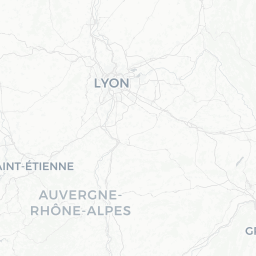
Annecy is a mid-sized city of roughly 50,000 people in the Haute-Savoie department of the Auvergne-Rhône-Alpes region, situated at the northern tip of Lake Annecy — consistently rated among the cleanest lakes in Europe. The city sits at around 450 metres above sea level, ringed by limestone mountains that rise sharply from the water's edge.
The old town (Vieil Annecy) is compact and walkable, defined by pastel-coloured arcaded houses, narrow canal streets, and the Thiou river flowing from the lake through the centre. The Palais de l'Isle, a 12th-century prison built on a small island in the canal, is the city's most photographed landmark.
Annecy functions simultaneously as a year-round destination for outdoor enthusiasts and a cultural stopover on routes between Geneva, Lyon, and Chamonix. Its Alpine setting gives it a dual character: a relaxed lakeside town in summer and a gateway to ski resorts in winter.
Before You Go
Visas
Annecy is in France, a Schengen Area member. Visa requirements vary significantly depending on your nationality. Check TravelerPulse's Visas section and consult the French Ministry of Foreign Affairs or your nearest French consulate well before travel.
When to Go
- June–August: Peak season. Lake swimming, water sports, hiking, and the Annecy International Animated Film Festival (June). Expect crowds on the lakefront and in the old town, and book accommodation early.
- May and September: Shoulder season — pleasant temperatures, fewer visitors, and lower accommodation prices.
- December–March: Winter brings a quieter old town and access to nearby ski areas. The lake and mountains are at their most dramatic in snow.
- April: Variable weather; some businesses may still be in off-season mode.
What to Pack
Even in summer, evenings can be cool given the altitude. Layers are advisable. If you plan to hike, bring appropriate footwear — trails in the surrounding Bauges and Bornes massifs can be steep and rocky.
Getting There
By Air
The nearest major airport is Geneva International Airport (GVA) in Switzerland, roughly 45–55 km north of Annecy. Direct bus and shuttle connections between Geneva Airport and Annecy are available from several operators; verify current schedules and fares directly with providers. Lyon-Saint Exupéry Airport is a further option, approximately 140 km to the west.
By Train
Annecy has a mainline railway station (Gare d'Annecy) with regular TGV and regional services connecting to Paris (approximately 3.5–4 hours), Lyon (approximately 2 hours), and Geneva (approximately 1 hour with a change). Check SNCF (sncf-connect.com) for current timetables and fares.
By Road
Annecy is served by the A41 motorway from Geneva and Grenoble, and the A41/A40 corridor toward Chamonix. Driving in and around the old town can be congested in summer; pay parking is available on the periphery of the centre.
Getting Around
The old town and lakefront are best explored on foot — most key sights are within easy walking distance of each other. The centre is largely pedestrianised around the canals.
Annecy's urban bus network, operated by Sibra, covers the city and inner suburbs. Tickets can be purchased on board or at machines; verify current fares with Sibra directly. Cycling is popular and practical: a dedicated cycle path runs along much of the lake shore. Bikes can be rented from several outlets near the lake — confirm availability and pricing locally.
For excursions around the lake, boat services connect Annecy to lakeside villages such as Talloires, Menthon-Saint-Bernard, and Duingt during the warmer months. Verify current schedules and departure points with Compagnie des Bateaux du Lac d'Annecy.
Things to See & Do
Old Town and Landmarks
- Palais de l'Isle: A 12th-century fortified house on a small island in the Thiou canal, now a local history museum. Check current opening hours and admission fees at the site or with the Annecy tourist office.
- Château d'Annecy: The former residence of the Counts of Geneva overlooks the old town. It houses the Musée du Château, covering regional art and Alpine natural history. Verify hours and fees before visiting.
- Rue Sainte-Claire: The arcaded main street of the old town, lined with shops and cafés under its covered walkways.
The Lake
Lac d'Annecy is genuinely exceptional for water quality. Supervised public beaches (notably Plage d'Albigny and Plage des Marquisats) are accessible in summer. Pedal boats, kayaks, paddleboards, and sailing dinghies can be hired from lakeside operators — confirm availability and pricing locally.
Outdoor Activities
- Hiking: Trails fan out into the Bauges Natural Regional Park and the Bornes-Aravis massif. The Col de la Forclaz, above Talloires, offers paragliding launch sites and lake views.
- Paragliding: Annecy is one of Europe's better-known paragliding venues; tandem flights with licensed instructors are available. Verify operators through the local tourist office.
- Cycling: The 40-km circuit of the lake is a popular day ride, though parts of the road can be busy in summer.
- Winter sports: La Clusaz, Le Grand-Bornand, and other ski resorts are within 30–45 minutes by road.
Events
- Annecy International Animated Film Festival (MIFA): Held each June, it is one of the most significant animation industry events in the world.
- Venetian Carnival: Typically held in March; dates vary — confirm with the tourist office.
- Fête du Lac: An annual fireworks and light show over the lake, usually held on the first Saturday of August. Attracts very large crowds.
Food & Drink
Annecy's food scene is rooted firmly in Savoyard tradition, though the city also has a range of international restaurants reflecting its role as a tourist hub and its proximity to Geneva.
Regional Specialities to Try
- Raclette: Melted cheese served over potatoes, charcuterie, and pickles — a Savoyard staple that appears on most traditional menus.
- Fondue Savoyarde: Made with local cheeses such as Beaufort, Abondance, and Comté.
- Tartiflette: Gratin of potatoes, Reblochon cheese, lardons, and onions.
- Féra and Omble Chevalier: Freshwater fish from the lake, often grilled or pan-fried, found on menus in lakeside restaurants.
- Diots: Savoyard pork sausages, typically served with polenta or pasta.
Where to Eat
The old town has the highest concentration of restaurants. The streets around Rue Sainte-Claire and the canal quays are lined with options, though quality varies considerably at the most tourist-facing spots. Exploring one or two streets back from the main canal usually yields better value. The covered market (Marché de la Halle) and the open-air market held on certain mornings are good for local produce.
Drinking
Local Savoyard wines — including whites from Apremont and Chignin and reds from Mondeuse — are worth seeking out. Beer culture has grown, with a small number of local craft producers. Coffee culture is standard French: espresso-based drinks at café terraces throughout the centre.
Shopping
Shopping in Annecy centres on a few distinct zones. The old town has boutiques selling regional food products — cheeses, charcuterie, local wines, and honeys — alongside clothing, souvenirs, and artisan goods. Rue Sainte-Claire and the streets around it are the most browsed.
For everyday retail, the Courier shopping centre and surrounding streets near the train station offer mainstream French chains. A weekly street market operates in the city; verify current days and locations with the tourist office, as markets can vary by season.
Outdoor and sports equipment shops are well represented given the city's active outdoor culture — useful if you need hiking or cycling gear.
Practical Information
Emergency Numbers
- General emergency (EU standard): 112
- Police: 17
- Fire (Sapeurs-Pompiers): 18
- Medical emergency (SAMU): 15
Health
No vaccinations are required for entry to France beyond standard up-to-date immunisations. EU citizens should carry a European Health Insurance Card (EHIC). Non-EU visitors should carry comprehensive travel health insurance. Pharmacies (identifiable by a green cross) are common throughout the city and can assist with minor health issues.
Money
ATMs are widely available in the city centre. Credit and debit cards are accepted at most businesses, though some smaller market stalls and cafés may prefer cash. Notify your bank before travelling.
Connectivity
Wi-Fi is available in most hotels and many cafés. French SIM cards (and EU-roaming plans) work throughout the city. Mobile coverage is generally good in the valley; it can be patchy on higher mountain trails.
Tourist Office
Annecy has a well-resourced tourist office (Office de Tourisme du Lac d'Annecy). It can assist with maps, event listings, activity bookings, and transport information. Verify current location and hours on their official website before visiting.
Safety
Annecy is generally a safe city with low levels of violent crime. Standard urban precautions apply: be mindful of pickpockets in crowded areas such as the old town in peak season and around busy markets.
The lake and mountain environment introduce specific considerations. Lake swimming is generally safe at designated beaches, but open-water swimming away from supervised zones carries risks — currents and cold temperatures in deeper water can be significant. Follow posted guidance.
Mountain activities such as hiking and paragliding carry inherent risks. Check weather forecasts before heading into the hills — conditions can change quickly in Alpine terrain. Stay on marked trails and carry water, a map, and appropriate clothing. For paragliding and other guided activities, verify that operators are licensed with French aviation or sport authorities.
Local Culture & Etiquette
Annecy was historically part of the House of Savoy, and the region only became definitively French in 1860. This Savoyard identity remains present in local architecture, cuisine, dialect traces, and a certain cultural orientation toward neighbouring Switzerland and Italy, not just toward Paris.
Saint Francis de Sales and Saint Jane Frances de Chantal, two significant figures in Catholic history, are associated with Annecy; the city's cathedral and the Basilique de la Visitation on the hillside above the town reflect this heritage. The Basilique also offers a panoramic viewpoint over the lake.
The Annecy International Animated Film Festival has given the city an unexpected international cultural profile since 1960, drawing industry professionals from across the world each June. The festival has a public programme alongside its trade events.
Locals tend to be oriented toward outdoor life and the lake. Summer evenings bring a relaxed, sociable atmosphere to the lakefront and old town. During peak tourist months, patience with crowds is advisable, particularly on the main canal quays and at popular beaches on weekends.