Overview
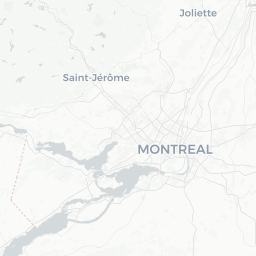
Laval is the third-largest city in Quebec and the second-largest in the Greater Montreal Area, occupying Île Jésus — an island bounded by the Rivière des Prairies to the south and the Rivière des Mille Îles to the north. With a population of roughly 438,000, it functions largely as a residential and commercial city, but it has developed its own cultural institutions, parks, and attractions that justify a deliberate visit rather than a mere pass-through.
The city was incorporated in 1965 through the merger of 14 municipalities, giving different neighbourhoods distinct characters. Chomedey, in the west, is notably multicultural, while Sainte-Rose in the east retains a historic village feel with heritage architecture along the waterfront. Vimont, Auteuil, and other districts are primarily suburban but well-serviced.
Laval sits close enough to Montreal to benefit from that city's international airport and transit infrastructure, yet it offers a noticeably quieter pace, lower accommodation costs, and direct access to river-based outdoor recreation. Travelers who enjoy cycling, kayaking, nature walks, and family-oriented science and horticulture attractions will find Laval a practical and underrated base.
Before You Go
Visas and Entry
Canada's entry requirements vary significantly by nationality and travel document. For general guidance, visit TravelerPulse's Visas section and consult the official Immigration, Refugees and Citizenship Canada (IRCC) website directly to confirm current requirements before booking.
Climate
Laval experiences a humid continental climate. Summers (June–August) are warm and occasionally humid, with average highs around 25–28 °C. Winters are cold and snowy, with temperatures regularly dropping below −10 °C between December and February. Spring and autumn are short but can be pleasant, especially mid-May and late September. Pack layers for shoulder seasons.
Health
No destination-specific vaccinations are required for most travelers. Canada has a public health system, but visitors are responsible for their own medical costs. Travel health insurance is strongly recommended. Verify your coverage before departure.
Practical Prep
- Carry a mix of payment methods; most businesses accept major credit cards, but some smaller markets and food stalls prefer cash.
- Download the STL (Société de transport de Laval) app or check their official site for current bus routes and fares before arrival.
- French is the working language. Basic French courtesies are appreciated, though English is widely understood in commercial settings.
Getting There
By Air
The nearest international airport is Montréal-Trudeau International Airport (YUL), located approximately 25–30 km southwest of central Laval. From there, travelers can reach Laval by taxi, rideshare, or a combination of transit connections through Montreal. Verify current shuttle or transit options on the airport's official site, as services change.
By Train and Bus
VIA Rail serves Montreal's Gare Centrale, and Laval is accessible from there by Montreal Metro (Orange Line) to the Cartier, De la Concorde, or Montmorency stations, all of which are on Laval's territory at the island's southern edge. Intercity bus operators also serve routes into the Montreal region; check individual carriers for Laval-specific stops.
By Car
Laval is well connected by highway. Autoroute 15 and Autoroute 19 run north–south across the island. Autoroute 440 and Autoroute 25 serve east–west travel. Driving from downtown Montreal typically takes 20–40 minutes depending on traffic, which can be heavy during weekday rush hours on the bridges.
Getting Around
Laval is a sprawling island city designed substantially around car travel. Having a vehicle gives the most flexibility for reaching parks, shopping centres, and attractions spread across the island.
The STL (Société de transport de Laval) operates a bus network covering the city. Several STL routes connect to the Montreal Metro at Montmorency, De la Concorde, and Cartier stations, making carless travel possible but slower. Check the STL's official website for current routes, schedules, and fares.
Cycling infrastructure has expanded in recent years, and the Parc de la Rivière-des-Mille-Îles and riverside paths offer pleasant off-road cycling. Bike-sharing options in Laval itself are more limited than in Montreal; verify current availability locally. Rideshare apps (Uber and others) operate in the area and are a practical option for point-to-point trips.
Things to See & Do
Parc de la Rivière-des-Mille-Îles
This protected natural park along Laval's northern shore offers kayaking, canoe rentals, paddleboarding, guided wildlife tours, and walking trails among a archipelago of small islands. It is arguably Laval's single best outdoor attraction. Equipment rentals and guided excursions are available seasonally — verify opening dates and current offerings on the park's official site before visiting.
Cosmodôme
A science and space museum geared toward families and curious adults, the Cosmodôme features hands-on exhibits about space exploration, a Space Camp program for youth, and replicas of spacecraft and missions. Admission fees and hours should be confirmed on the Cosmodôme's official website.
Sainte-Rose Historic District
The eastern neighbourhood of Sainte-Rose contains some of Laval's oldest architecture, including a notable church and heritage commercial buildings along Boulevard Sainte-Rose near the waterfront. It's a pleasant area for a relaxed walk and a meal at one of the local restaurants.
Centropolis
A large open-air entertainment and dining complex in Chomedey, Centropolis consolidates restaurants, a cinema, and leisure businesses in a pedestrian-friendly setting. It is more of an evening or rainy-day option than a cultural sight, but it reflects how many Laval residents spend leisure time.
Cycling and Walking Trails
Laval maintains a network of multi-use paths. The riverfront paths along both the Mille Îles and the Rivière des Prairies offer accessible, flat cycling with river views. Trail maps are available through the city's official website.
Food & Drink
Laval's food scene reflects its multicultural population, particularly in the Chomedey area where Lebanese, Armenian, Italian, and other immigrant communities have established long-standing restaurants and bakeries. You'll find Middle Eastern bakeries, Portuguese rotisseries, and Italian pastry shops alongside standard Canadian chains.
Sainte-Rose and the Pont-Viau area offer some independent bistros and casual French-Canadian restaurants with a more neighbourhood feel. Poutine, smoked meat sandwiches, and tourtière are Québécois staples worth trying if you haven't elsewhere.
The Centropolis complex has a concentration of sit-down chain and independent restaurants if you want variety in one location. Laval does not have a strong craft-beer or cocktail bar culture compared to Montreal, but local restaurants typically carry a reasonable wine and beer selection. Verify hours locally, as restaurant schedules in suburban areas can be more restricted than in urban centres.
Shopping
Laval is home to one of Quebec's largest shopping centres, Carrefour Laval, which anchors a retail corridor in the Chomedey area with major department stores, international brands, and a large food court. It draws shoppers from across the region.
Megastore retail (large-format furniture, electronics, and home goods stores) is concentrated along Boulevard Curé-Labelle and related arteries. For more local character, the Sainte-Rose district has small independent shops and occasional seasonal markets worth browsing. A public market (Marché public) operates seasonally in Laval — check the city's events calendar for dates and locations, as these can vary year to year.
Practical Information
Emergency Services
In Canada, dial 911 for police, fire, or ambulance emergencies from any phone.
Pharmacy and Medical
Pharmacies (Pharmaprix/Shoppers Drug Mart, Jean Coutu) are common throughout Laval and many have extended hours. For non-emergency medical needs, walk-in clinics operate across the city — locations and hours should be verified locally or through the Quebec health directory (santemontreal.qc.ca or similar regional portals).
Money
- ATMs are widely available at banks, pharmacies, and shopping centres.
- Tipping is customary in restaurants (15–20% before tax is standard in Quebec) and for taxi or rideshare drivers.
- Quebec charges both federal GST and provincial QST on most purchases; prices displayed often exclude tax.
Connectivity
Free Wi-Fi is available in many cafés, shopping centres, and public libraries. Canadian SIM cards or short-term data plans are available at major phone retailers; this is often more cost-effective for longer stays than roaming on a foreign plan.
Safety
Laval is generally considered a safe city with crime rates typical of a mid-sized Canadian suburban municipality. Travelers should exercise standard urban precautions: keep valuables out of sight in parked cars, be aware of surroundings in quieter areas after dark, and secure bags in crowded public spaces.
Winter driving deserves particular attention. Between November and March, roads can be icy or snow-covered. If renting a car, ensure it is equipped with winter tires (legally required in Quebec during winter months). Pedestrians should wear appropriate footwear for icy sidewalks.
For the most current local safety information, the Service de police de Laval (SPL) maintains an official website and social media presence.