Overview
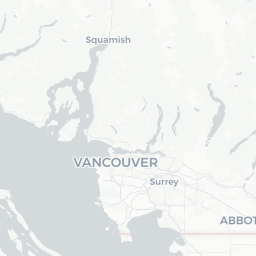
Coquitlam is a mid-sized city of roughly 148,000 people in Metro Vancouver's Tri-Cities area, situated east of Burnaby and north of Surrey on the lower slopes of Burke Mountain. It is one of British Columbia's fastest-growing municipalities, shaped by a mix of long-established suburban neighbourhoods and newer high-density development near SkyTrain stations.
The city has a notably multicultural character. Large Korean and Chinese communities have settled here over several decades, and this is reflected in the restaurant scene, grocery stores, and cultural events throughout the year. The City Centre area around Lincoln Station is the commercial and civic hub, while quieter residential pockets near Burke Mountain and Mundy Park offer a greener, more suburban feel.
For visitors, Coquitlam functions both as a destination in its own right — particularly for outdoor recreation and dining — and as a practical, affordable base for exploring Greater Vancouver. It is connected to downtown Vancouver by the Millennium Line SkyTrain, making car-free travel straightforward.
Before You Go
Visas and Entry
Canada's entry requirements vary significantly by nationality and travel document. Do not rely on generalised information. Check the TravelerPulse Visas section for an overview, then verify current requirements directly with Immigration, Refugees and Citizenship Canada (IRCC) at the official Government of Canada website before booking.
Weather and Packing
Coquitlam sits in the Pacific coastal climate zone. Summers (June–August) are generally warm and dry, with temperatures commonly reaching the mid-20s Celsius. Winters are mild but wet, with significant rainfall from October through March. Snow falls occasionally, particularly at higher elevations near Burke Mountain. Pack layers and a waterproof jacket for any visit outside of peak summer.
Health and Insurance
Travel health insurance is strongly recommended for all visitors to Canada; public healthcare is not available to tourists without cost. Bring any prescription medications in their original packaging with supporting documentation. No destination-specific vaccinations are required, but confirm current recommendations with your own health provider before departure.
Getting There
By Air
The closest international airport is Vancouver International Airport (YVR) in Richmond, approximately 35–45 minutes from Coquitlam by car depending on traffic, or accessible by public transit via SkyTrain (Canada Line to Waterfront or Commercial–Broadway, then Millennium Line east). Abbotsford International Airport (YXX) is a secondary option for travellers arriving on certain low-cost carriers, roughly 50–60 km east by road.
By SkyTrain
TransLink's Millennium Line connects Coquitlam to the broader Metro Vancouver rapid transit network. Coquitlam has multiple stations including Coquitlam Central (a major transit hub with WCE commuter rail connections), Lincoln, and Lafarge Lake–Douglas at the eastern terminus. This is the most convenient car-free option for travellers arriving from Vancouver.
By Car
Coquitlam is accessible via the Trans-Canada Highway (Highway 1) and the Lougheed Highway (Highway 7). Drive times from downtown Vancouver vary considerably with traffic; allow extra time during morning and afternoon commute peaks. Parking is generally available in suburban areas; the City Centre area has paid parkades near Coquitlam Centre mall.
Getting Around
SkyTrain and Bus
The Millennium Line SkyTrain is the backbone of getting around Coquitlam and connecting to neighbouring cities. TransLink buses supplement the rail network and reach most residential areas. A Compass Card (reloadable transit card) is the most practical way to pay fares; verify current fare zones and pricing on the TransLink website before travel.
West Coast Express
Coquitlam Central Station is a stop on the West Coast Express commuter rail service, which runs between Mission and Vancouver's Waterfront Station. Service is primarily oriented toward weekday commuters, so check the schedule carefully if you plan to use it for leisure travel.
Car and Cycling
A car is useful for reaching trailheads on Burke Mountain and other areas not well served by transit. Cycling infrastructure is expanding throughout the city; verify current routes with the City of Coquitlam's active transportation map. Ride-hailing services operate in Metro Vancouver and are available in Coquitlam.
Things to See & Do
Mundy Park
One of the largest urban parks in Metro Vancouver, Mundy Park covers over 170 hectares and contains two lakes, extensive trail networks, and forested areas suitable for walking, trail running, and cycling. It is a genuine natural asset within a suburban city and genuinely worth an afternoon.
Burke Mountain Trails
The northern reaches of Coquitlam give way to the Burke Mountain area, which offers a range of hiking trails from family-friendly walks to more demanding routes with views over the Lower Mainland. Pinecone Burke Provincial Park borders the city to the north. Trailhead access typically requires a vehicle. Check BC Parks and local trail association resources for current conditions before heading out.
Lafarge Lake and Town Centre Park
Lafarge Lake in Town Centre Park is a man-made but pleasant lake in the heart of the City Centre area. The surrounding park hosts the popular Lights at Lafarge winter event and the TD Coquitlam Dragon Boat Festival in summer. It is an accessible, flat walk suitable for all fitness levels.
Place des Arts and Cultural Venues
Place des Arts is a community arts centre offering galleries, studios, and programming in visual and performing arts. It is a reliable venue for locally produced exhibitions and workshops. Check their current schedule online before visiting.
Shopping at Coquitlam Centre
Coquitlam Centre is a large regional shopping mall adjacent to Lincoln SkyTrain Station, housing major Canadian and international retail chains. It functions as a practical stop for everyday needs and is one of the larger malls in Metro Vancouver.
Food & Drink
Coquitlam's restaurant scene is genuinely diverse, driven by its large Korean and Chinese communities. Austin Avenue and the Austin Heights neighbourhood have a concentration of independently owned restaurants. The areas around Lincoln Station and Coquitlam Centre offer a broad mix of Asian cuisine — Korean barbecue, Chinese regional cooking, Japanese ramen, and Hong Kong-style cafés — alongside familiar Canadian chains.
For Korean food specifically, Coquitlam is considered one of the better destinations in Metro Vancouver outside of the Burnaby/New Westminster Koreatown areas. Exploratory dining along North Road and nearby streets can surface restaurants not widely covered in mainstream guides; asking locally or consulting current review platforms is more reliable than any fixed list.
Café culture is well established, with independent cafés clustered in Town Centre and Austin Heights. Grocery shopping for self-catering is straightforward, with several Asian supermarkets stocking ingredients from across East and Southeast Asia alongside mainstream Canadian supermarkets.
Practical Information
Emergency Services
For police, fire, or medical emergencies in Canada, dial 911. Non-emergency police matters in Coquitlam are handled by the RCMP Coquitlam Detachment; verify their non-emergency line on the official RCMP website.
Money
Most businesses accept major credit and debit cards. Cash (Canadian dollars) is useful for smaller independent restaurants and markets. ATMs are widely available, including at Coquitlam Centre mall and near SkyTrain stations.
Connectivity
Free Wi-Fi is available in the Coquitlam Centre mall and at the Coquitlam Public Library branches. Major Canadian mobile carriers (Rogers, Bell, Telus, and their subsidiaries) provide good coverage throughout the city. International visitors should check roaming rates or purchase a local SIM; prepaid options are available at major electronics and convenience retailers.
Tipping
Tipping is standard practice in Canada for restaurant table service, typically 15–20% of the pre-tax bill. Counter service, food courts, and takeaway situations are at the customer's discretion.
Safety
Coquitlam is considered a generally safe city by Canadian urban standards. Visitors should exercise the same common-sense precautions they would anywhere: secure valuables in vehicles out of sight, be aware of surroundings in quieter areas at night, and keep important documents and travel insurance information accessible.
Wildfire smoke is a seasonal consideration. During summer, air quality in the broader Metro Vancouver region can be affected by wildfires burning elsewhere in British Columbia or the Pacific Northwest. Monitor Environment and Climate Change Canada's Air Quality Health Index if you are sensitive to smoke or have respiratory conditions. Outdoor activities including trail hiking may be inadvisable during high-smoke periods.
Bear awareness is relevant if hiking in the Burke Mountain or Pinecone Burke Provincial Park area. Check BC Parks advisories and carry bear spray when venturing into backcountry trails. Follow Leave No Trace principles throughout.