Translate


Overview
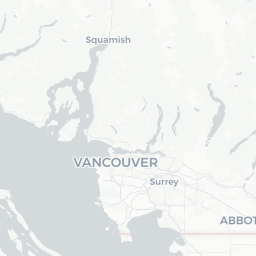
Vancouver sits on the southwest corner of British Columbia, wedged between the Pacific Ocean, Burrard Inlet, and the Coast Mountains. It is one of Canada's most densely populated cities and consistently ranks among the world's most livable urban centres — a label earned partly through geography and partly through its mix of cultural communities, green space, and relatively mild climate.
The city proper has a population of roughly 660,000, with the broader Metro Vancouver region exceeding 2.5 million. Neighbourhoods shift quickly from glass-tower downtown cores to low-rise residential streets lined with cherry trees, from the historic buildings of Gastown to the gardens and beaches of the West End. That variety means first-time visitors and repeat travellers alike tend to find new angles on the same city.
Vancouver is also a practical gateway. The international airport (YVR) serves direct long-haul routes across North America, Asia-Pacific, Europe, and beyond. Ferries connect the city to Vancouver Island and the Sunshine Coast, and the US border at Peace Arch is roughly 45 minutes by car, making cross-border day trips common.
Before You Go
Visas and Entry
Entry requirements for Canada depend on your nationality, length of stay, and mode of travel. Some visitors require a visa; others need only an Electronic Travel Authorization (eTA). Check the TravelerPulse Visas section and the official Immigration, Refugees and Citizenship Canada (IRCC) website for current, authoritative guidance before booking.
Climate
Vancouver has a temperate oceanic climate. Summers (June–September) are warm and mostly dry, with daytime highs typically in the low-to-mid 20s °C. Winters are mild by Canadian standards but wet and grey, with rain rather than snow at sea level. Snow in the city itself is possible but usually brief. Pack layers year-round; a waterproof outer layer is sensible outside of peak summer.
Health and Insurance
Canada's public healthcare system does not extend to visitors. Comprehensive travel insurance that covers medical evacuation and emergency treatment is strongly recommended. Bring adequate supplies of any prescription medication, as sourcing specific formulations locally may take time.
Practical Prep
- Tipping is customary in restaurants (typically 15–20%), taxis, and some service contexts.
- Recreational cannabis is legal in Canada for adults; consumption rules vary by location — outdoor public spaces and vehicle interiors are generally prohibited.
- Power outlets use the North American standard (Type A/B, 120 V, 60 Hz).
Getting There
By Air
Vancouver International Airport (YVR) is located on Sea Island in Richmond, roughly 13 km south of downtown. It is one of Canada's busiest airports and handles a wide range of international and domestic carriers. The Canada Line SkyTrain connects YVR directly to downtown Vancouver; the journey takes approximately 25–30 minutes and requires a transit fare plus a supplemental Canada Line add-on fee — verify current fares with TransLink before travel. Taxis and ride-hail services are also available from the airport.
By Train
VIA Rail operates the Canadian, a transcontinental service connecting Vancouver (Pacific Central Station) with Toronto via Jasper and Winnipeg. Journey times are long — this is a scenic rail experience rather than a fast transit option. Amtrak's Cascades service connects Vancouver with Seattle and Portland; verify current schedules and cross-border procedures directly with Amtrak and the Canada Border Services Agency, as conditions can change.
By Bus
Long-distance coach services including Greyhound Canada (verify current operations) and regional operators serve Pacific Central Station. Several cross-border shuttle operators connect Vancouver with Seattle-Tacoma International Airport — check providers locally for current routes and prices.
By Ferry
BC Ferries operates frequent sailings between Tsawwassen (south of Vancouver) and Swartz Bay (near Victoria on Vancouver Island), as well as routes to the Sunshine Coast and Gulf Islands. Reservations are recommended in peak summer months; verify schedules and fares at bcferries.com.
Getting Around
TransLink (Public Transit)
Vancouver's regional transit authority, TransLink, runs the SkyTrain rapid transit network, buses, and the SeaBus passenger ferry across Burrard Inlet to North Vancouver. The system uses a zone-based fare structure; a reloadable Compass Card is the most convenient payment method and offers slightly lower fares than single-use tickets. Verify current fares and zone boundaries at translink.ca.
Cycling
Vancouver has an extensive network of separated bike lanes, particularly downtown and along key corridors. Mobi, the city's public bike-share system, operates docked e-bikes and regular bikes across much of the central city. Helmets are legally required for cyclists in British Columbia.
Walking
The downtown core, West End, Gastown, Yaletown, and Granville Island are all walkable from one another, and Stanley Park's seawall path is a celebrated on-foot (or cycling) experience. Allow more time for neighbourhoods further afield such as Kitsilano, Commercial Drive, or Main Street.
Driving and Parking
A car is not necessary for central Vancouver, and parking downtown can be expensive and congested. If you plan to explore the North Shore mountains or Fraser Valley, renting a vehicle makes sense. Drive on the right. Several bridges cross Burrard Inlet and False Creek; the Port Mann and Golden Ears bridges use electronic tolling — verify current tolling arrangements before driving.
Taxis and Ride-Hail
Ride-hail services including Uber and Lyft operate in Metro Vancouver. Traditional metered taxis are also available.
Things to See & Do
Stanley Park
A 400-hectare forested peninsula jutting into Burrard Inlet, Stanley Park is one of North America's largest urban parks. The seawall loop (roughly 9 km) is popular with walkers, cyclists, and rollerbladers. Within the park: Prospect Point viewpoint, Beaver Lake, totem poles at Brockton Point, and the Vancouver Aquarium (verify current admission fees and hours at vanaqua.org).
Granville Island
A converted industrial site beneath the Granville Street Bridge, Granville Island is home to a large public market selling fresh produce, artisan foods, and local crafts. Studios, theatres, galleries, and independent restaurants occupy the surrounding buildings. It tends to be crowded on weekend mornings; a weekday visit is calmer. The False Creek Ferries and Aquabus provide a scenic, inexpensive crossing from downtown.
Museums and Galleries
- Museum of Anthropology (MOA) at UBC: an internationally significant collection of Northwest Coast Indigenous art and artifacts, housed in a landmark Arthur Erickson building. Verify hours and admission at moa.ubc.ca.
- Vancouver Art Gallery: located in the former provincial courthouse on Robson Square; strong holdings of Emily Carr's work and rotating contemporary exhibitions. Verify admission at vanartgallery.bc.ca.
- Museum of Vancouver and H.R. MacMillan Space Centre are co-located at Vanier Park near Kitsilano Beach.
Neighbourhoods Worth Exploring
- Gastown: Vancouver's oldest commercial district, with Victorian-era brick buildings, the Steam Clock, independent shops, and restaurants.
- Chinatown: one of Canada's largest and oldest; the Dr. Sun Yat-Sen Classical Chinese Garden is a notable attraction (verify hours and admission).
- Commercial Drive (The Drive): a long, eclectic strip strong on independent cafés, international grocers, and live-music venues.
- Kitsilano: beach neighbourhood with yoga studios, organic grocers, and the outdoor Kitsilano Pool (open seasonally; verify).
- Main Street: concentrated stretch of independent bookstores, vintage shops, and cafés between 20th and 30th avenues.
Outdoor Recreation
The North Shore mountains — Grouse, Seymour, and Cypress — offer hiking in summer and skiing or snowboarding in winter. The Grouse Grind, a steep 2.9 km trail up Grouse Mountain, is a local institution (trail open seasonally; verify conditions). Kayaking and stand-up paddleboarding on Indian Arm or Deep Cove are popular day trips. Jericho Beach, Locarno Beach, and Kitsilano Beach are busy in summer.
Food & Drink
Vancouver's food scene reflects the city's demographics: Chinese, Japanese, Korean, South Asian, Vietnamese, Filipino, and Persian cuisines are all represented at a serious level alongside contemporary Canadian and Pacific Northwest cooking. Seafood — particularly salmon, halibut, Dungeness crab, and spot prawns (in season, typically May) — is a regional highlight.
Areas to Eat
- Richmond (suburban city to the south, reachable by SkyTrain): widely regarded as one of the best destinations for Cantonese, dim sum, and broader East and Southeast Asian cuisines in North America. Its food courts are particularly notable.
- Robson Street and downtown core: convenient but variable in quality; good for casual dining and international chains.
- Main Street and Mount Pleasant: higher concentration of independent restaurants, craft breweries, and specialty coffee roasters.
- Granville Island Public Market: good for grazing on artisan cheeses, charcuterie, pastries, and seasonal produce.
Drinking
British Columbia has a well-developed craft beer scene; Mount Pleasant alone has multiple breweries within walking distance. The province also produces wine, particularly from the Okanagan Valley, widely available in Vancouver. Cocktail bars are concentrated in Gastown, Yaletown, and the West End. The legal drinking age in BC is 19. Alcohol is sold through licensed private stores and government-run BC Liquor Stores.
Shopping
Vancouver's main retail corridors are Robson Street (international brands and mid-range retail), Alberni Street (luxury and designer), and Pacific Centre (large downtown mall). For more distinctive shopping, the following areas are worth prioritising:
- Gastown: concept stores, Canadian-made goods, and design boutiques alongside souvenir shops.
- Main Street (Main and Kingsway area): independent clothing, vintage, books, and home goods.
- Granville Island: local crafts, ceramics, handmade jewellery, and artisan food products.
- Richmond's Aberdeen Centre and nearby malls: East Asian fashion, beauty products, and specialty groceries.
BC's combined provincial and federal sales tax (PST + GST) applies to most retail purchases. Foreign visitors do not receive a general sales tax refund on consumer goods in Canada (the former Visitor Rebate Program was discontinued). Verify current tax rules at Canada Revenue Agency's website.
Practical Information
Emergency Services
Dial 911 for police, fire, and ambulance emergencies across Canada.
Money
ATMs are widely available. Major credit cards are accepted almost universally. Contactless payment is common. Banks and currency exchange offices are available downtown; airport exchange rates are typically less favourable.
Connectivity
Free public Wi-Fi is available in many cafés, the Vancouver Public Library branches, and some SkyTrain stations. Canadian mobile networks use LTE/5G standards; check roaming agreements with your home carrier or purchase a local SIM on arrival. Several carriers have prepaid options available at airports and convenience stores.
Accessibility
TransLink's rapid transit stations and most major tourist attractions are designed with accessibility in mind, though older buildings in Gastown and Chinatown vary. The City of Vancouver maintains accessibility information; verify specifics with individual venues.
Time
Vancouver observes Pacific Time. Daylight saving time is observed (clocks spring forward in March, fall back in November) — verify dates each year as these are subject to change by legislation.
Useful Reference Sites
- Tourism Vancouver: tourismbancouver.com (verify URL)
- TransLink: translink.ca
- BC Ferries: bcferries.com
- Parks Canada (Stanley Park is managed by the City of Vancouver, not Parks Canada — verify jurisdiction for specific sites)
Safety
Vancouver is generally a safe city for travellers. Violent crime targeting tourists is uncommon, though as in any large urban centre, basic precautions are sensible: be aware of your surroundings, secure valuables, and avoid leaving items visible in parked vehicles.
The Downtown Eastside (DTES), roughly bounded by Hastings Street between Gastown and Clark Drive, has a concentrated population experiencing homelessness, open drug use, and mental health challenges. Travellers sometimes pass through the area and are generally not at elevated risk, but it is not a typical tourist destination. Exercise the same attentiveness you would in any similar urban environment.
Vancouver has experienced a public health crisis related to illicit drug supply (particularly toxic street supply including fentanyl-contaminated substances). This is primarily a harm-reduction and public health issue for the resident population, but travellers should be aware of the context.
The North Shore mountains carry genuine wilderness risks even close to the city — weather changes quickly, and trails can be more demanding than they appear. Tell someone your plans, carry water and a charged phone, and check trail conditions before heading out. Bear activity is possible on North Shore and regional trails; follow posted guidelines.
Local Culture & Etiquette
Vancouver sits on the unceded traditional territories of the xʷməθkʷəy̓əm (Musqueam), Sḵwx̱wú7mesh (Squamish), and səlilwətaɬ (Tsleil-Waututh) Nations. This acknowledgment is widely made at public events, institutions, and in official communications, and reflects ongoing conversations about Indigenous rights and reconciliation in British Columbia and Canada broadly. The Museum of Anthropology at UBC and the Bill Reid Gallery of Northwest Coast Art downtown are good starting points for understanding the depth and continuity of Northwest Coast Indigenous cultures.
The city's cultural makeup is genuinely diverse. Roughly half of Vancouver's population was born outside Canada, and communities with roots in China, Hong Kong, Taiwan, India, the Philippines, South Korea, Iran, and many other countries have shaped the city's food, retail, religious landscape, and civic culture over generations rather than years. This is reflected in the breadth of languages heard on transit, the range of places of worship, and the variety of grocery stores and restaurants far removed from tourist zones.
Vancouver has a significant arts and culture infrastructure relative to its size: a major symphony orchestra, opera company, several professional theatre companies, an international film festival (VIFF, held annually in autumn), and a contemporary art scene concentrated in the East Side. The city has also been a major film and television production centre for decades — often standing in for American cities — which locals refer to informally as 'Hollywood North.'