Translate


Overview
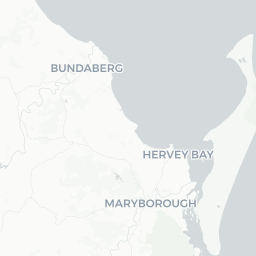
Hervey Bay is a coastal city of around 52,000 people on Queensland's Wide Bay coast, roughly 290 km north of Brisbane. It sits on a shallow, sheltered bay protected by Fraser Island (K'gari) — the world's largest sand island — making its waters unusually calm by Queensland standards.
The city is best known internationally as one of the world's premier humpback whale watching destinations. Each year, between roughly July and November, humpbacks rest and socialise in the bay's protected waters after their long migration from Antarctic feeding grounds before heading south again. The sheltered conditions mean boats can often approach whales at close range, and the whales — particularly mothers with calves — are frequently curious and interactive.
Beyond whales, Hervey Bay serves as the primary departure point for K'gari, offers a long esplanade of beaches suited to calm-water swimming and kayaking, and has a relaxed, unhurried character typical of regional Queensland coastal towns. It is not a party destination; its appeal is primarily natural and outdoors-focused.
Before You Go
Visas
Australia requires a visa or electronic travel authority for almost all visitors. Requirements vary significantly by passport. Check TravelerPulse's Visas section and the Australian Department of Home Affairs website (immi.homeaffairs.gov.au) for current, authoritative information before booking.
Health
No vaccinations are specifically required for Hervey Bay beyond standard Australia travel considerations. Tap water is safe to drink. Sun protection is essential year-round — UV levels in Queensland are consistently high. In warmer months, marine stingers can be present in some Queensland waters; check local beach signage.
What to Pack
- Reef-safe sunscreen, hat, and UV-protective clothing
- Lightweight layers for cooler winter evenings (June–August)
- Motion-sickness medication if you are prone to seasickness, even though the bay is calm
- Insect repellent, particularly if visiting K'gari
- Sturdy footwear for sand-island travel
Getting There
By Air
Hervey Bay Airport (HVB) receives regular services from Brisbane and, periodically, other Queensland centres. Check current routes and schedules directly with airlines, as regional routes can change. Flight time from Brisbane is approximately one hour.
By Road
Hervey Bay is around a 3.5-hour drive from Brisbane via the Bruce Highway (A1), exiting near Maryborough. Car hire is available at the airport and in the city. Having your own vehicle is useful, particularly for reaching ferry terminals and beaches along the esplanade.
By Coach
Long-distance coach services connect Hervey Bay to Brisbane and other Queensland coastal cities. Verify current operators, routes, and schedules locally or through Queensland transport resources.
By Rail
There is no direct train station in Hervey Bay. The nearest Queensland Rail station is in Maryborough West, approximately 35 km away, with connecting coach or taxi services available. Check current timetables at queenslandrail.com.au.
Getting Around
Hervey Bay is a spread-out city, and a private vehicle or hire car is the most practical way to get around, especially for reaching different beach areas along the long esplanade and the Urangan Harbour ferry terminal.
Local bus services operate within the city. Taxi and rideshare services are available but may have limited availability compared to larger cities — verify locally. Cycling is feasible along the esplanade shared path, and hire bikes are available from some accommodation providers and local operators.
For travel to K'gari (Fraser Island), vehicle and passenger ferries depart from River Heads (south of the city) and Urangan Harbour. Confirm current ferry operators, departure points, and booking requirements before you go, as logistics can change.
Where to Stay
Hervey Bay has a range of accommodation suited to its regional coastal character, including motels, holiday apartments, caravan and holiday parks, and a handful of mid-range hotels. There are no large international luxury hotel brands in the city as of writing — verify current options through booking platforms.
Urangan and Torquay are popular areas to stay for proximity to the harbour (for whale watching and K'gari ferries) and the main beachfront. Holiday apartments and self-contained units are plentiful and often better value for families or groups staying multiple nights.
Caravan and holiday parks are a significant part of the local accommodation culture, reflecting Hervey Bay's popularity with Australian domestic travellers, particularly retirees and families in campervans. Book well ahead during the July–November whale season, which coincides with Queensland school holidays.
Things to See & Do
Whale Watching
This is the headline activity. During the season (roughly July to November, with peak activity August to October), a number of licensed operators run half-day and full-day whale watching cruises from Urangan Harbour. Trips typically last 3.5 to 5 hours. Humpbacks in Hervey Bay are known for resting behaviour — spy-hopping, breaching, and extended time at the surface — making sightings more predictable than on open-ocean whale routes. Book in advance during peak weeks.
K'gari (Fraser Island)
The world's largest sand island is the main day-trip and multi-night destination from Hervey Bay. Highlights include freshwater lakes (Lake McKenzie / Boorangoora, Lake Wabby), the Maheno shipwreck, Eli Creek, coloured sand cliffs, and extensive 4WD beach driving. A permit is required to visit K'gari; apply through Queensland National Parks before departure. A 4WD vehicle is essential for self-drive travel on the island. Guided tours are also available.
Beaches and the Esplanade
Hervey Bay's beaches — including Torquay, Scarness, and Urangan — are suited to calm-water swimming, paddleboarding, and kayaking. The protected bay means there is minimal surf, making them particularly good for families and less-confident swimmers. The foreshore esplanade path is popular for walking and cycling.
Urangan Pier
One of Queensland's longest recreational piers, stretching into the bay. Popular for fishing and sunset walks. Free to access.
Other Activities
- Dolphin and turtle spotting by kayak or small boat tour
- Snorkelling and diving tours to nearby reefs (verify current operators)
- Whale heritage interpretive sites along the foreshore during the season
Food & Drink
Hervey Bay's dining scene is modest in scale but adequate for a regional coastal city. Seafood is a natural focus — locally caught fish, prawns, and mud crab appear frequently on menus. The main dining strips are concentrated around Torquay and along the Esplanade, ranging from casual fish-and-chip shops to mid-range restaurants and waterfront cafes.
Coffee culture is well established, with several independent cafes operating across the city. The pub and club scene is quieter and more local in character than tourist-resort towns. Bottle shops (off-licences) are widely available for self-catering. Supermarkets including major Australian chains are present in the city centre and surrounding suburbs.
Vegetarian and vegan options are available at many restaurants but the range is narrower than in Brisbane or other larger cities. Verify specific dietary needs with individual venues.
Practical Information
Money
ATMs are available throughout the city. Credit and debit cards are widely accepted. Cash is still useful for smaller local operators, market stalls, and some ferry or tour payments.
Connectivity
Mobile coverage from major Australian networks (Telstra, Optus, Vodafone) is generally reliable in the city. Telstra typically has the widest rural coverage if you plan to travel to K'gari or remote areas. Wi-Fi is available at most accommodation.
Emergency Numbers
In Australia, dial 000 for police, fire, or ambulance emergencies. The non-emergency police number is 131 444. Hervey Bay has a public hospital — verify its current location and services locally or via Queensland Health's website.
K'gari Permits
A permit is required to visit K'gari (Fraser Island) and to take a vehicle onto the island. Apply through the Queensland National Parks online system before departure. Verify current fees and requirements at parks.des.qld.gov.au.
Time Zone
Queensland operates on AEST (UTC+10) year-round and does not observe daylight saving time.
Safety
Hervey Bay is a safe regional city with a low crime rate relative to Australian urban centres. Standard travel precautions apply — secure valuables, be aware of surroundings at night in quieter areas.
Natural hazards deserve more attention than crime. Sun exposure is a genuine health risk; Queensland's UV index is frequently extreme. Apply broad-spectrum sunscreen liberally, wear protective clothing, and seek shade during peak UV hours (typically 10am–3pm). Dehydration is also a real concern in warmer months.
If visiting K'gari, be aware that dingoes are wild animals and can be dangerous — particularly to children. Queensland Parks guidelines on dingo safety should be followed at all times. Do not feed dingoes and do not walk alone at night or in isolated areas on the island.
Ocean conditions in the bay are calm, but rips and currents can still occur. Swim at patrolled beach areas where possible and observe any flags or signage. Bluebottles (Portuguese man-o-war) can wash ashore periodically.