Overview
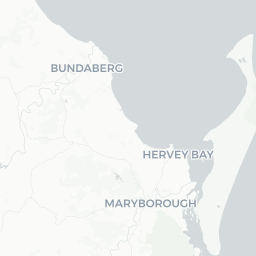
Bundaberg is a regional city of around 74,000 people situated on the Burnett River in Queensland's Wide Bay region, roughly 380 km north of Brisbane. It sits near the southern entry point to the Great Barrier Reef Marine Park and is the administrative and commercial hub for a broad agricultural district famous for sugarcane, macadamias, tomatoes, and other produce.
The city is best known internationally for two things: the Bundaberg Rum distillery, which has operated here since 1888, and the Mon Repos Conservation Park, one of the most significant loggerhead turtle nesting sites in the South Pacific. Beyond those headline attractions, Bundaberg offers low-key coastal villages, reef and island day trips, and a relaxed pace that distinguishes it from Queensland's more heavily touristed coastal centres.
Bundaberg also serves as a practical base for working-holiday travellers, as the surrounding farms employ large numbers of seasonal agricultural workers. This gives the city a transient, international flavour alongside its established local community.
Before You Go
Visas
Australia requires a visa or electronic travel authority for almost all international visitors. Requirements vary significantly by nationality. Check TravelerPulse's Visas section for general guidance and verify your specific situation directly with the Australian Department of Home Affairs (homeaffairs.gov.au).
Health
No vaccinations are specifically required for Bundaberg, but routine immunisations should be up to date. The region has tropical conditions in summer; sun protection is essential year-round. Stinger season (jellyfish) affects coastal Queensland waters generally from October to May — check local beach safety signage before swimming. Travel insurance that includes medical evacuation is strongly recommended for any visit to regional Australia.
Climate
Bundaberg has a subtropical climate. Summers (December–February) are hot and humid with occasional heavy rain and cyclone risk. Winters (June–August) are mild and dry, making this the most comfortable time for outdoor activities. The shoulder months of April–May and September–October offer pleasant conditions with fewer crowds.
What to Pack
- High-SPF sunscreen and a broad-brimmed hat
- Lightweight, breathable clothing; a light layer for winter evenings
- Insect repellent, particularly if visiting cane-field areas or wetlands
- Sturdy footwear if planning reef walks or hikes
Getting There
By Air
Bundaberg Airport (BTU) receives regular services from Brisbane operated by QantasLink and Virgin Australia codeshare partners. Flight time from Brisbane is approximately one hour. Verify current schedules and book directly with airlines or a flight aggregator, as regional services change seasonally.
By Road
Bundaberg is accessible via the Bruce Highway (A1). From Brisbane the drive is approximately 4 hours under normal conditions; from Rockhampton it is around 2.5 hours heading south. Car hire is available at the airport and in the city centre. Having your own vehicle is highly recommended, as many attractions are spread across a wide area.
By Bus and Rail
Greyhound Australia operates coach services connecting Bundaberg to Brisbane and Rockhampton. Queensland Rail's Tilt Train and Spirit of Queensland services stop at Bundaberg station on the Brisbane–Cairns corridor. Journey time from Brisbane by train is approximately 5–6 hours depending on service. Check current timetables and fares directly with Queensland Rail and Greyhound Australia, as schedules change.
Getting Around
Bundaberg's city centre is compact and walkable, but the wider region — including Mon Repos, Bargara Beach, and departure points for reef and island trips — requires transport. Rideshare services (Uber operates in the area, verify availability locally) and local taxis supplement a limited public bus network.
Renting a car is the most practical option for travellers wanting to explore the coastal villages, orchards, and attractions spread around the region. Cycling is popular within the city itself and along the Burnett River foreshore, and some accommodation providers offer bike hire or loans.
For reef and island day trips, tour operators depart from the Port of Bundaberg at Burnett Heads. Book these in advance, especially during school holidays and peak turtle season.
Things to See & Do
Mon Repos Conservation Park
Mon Repos, about 14 km east of the city centre near Bargara, hosts one of Australia's largest loggerhead turtle rookeries. Females come ashore to nest from November through January; hatchlings emerge from January through March. Ranger-guided turtle encounters operate under a booking system managed by the Queensland Parks and Wildlife Service — visits are strictly controlled to protect the turtles. Book well in advance through the official Queensland National Parks booking platform.
Bundaberg Rum Distillery
The Bundaberg Rum Distillery offers guided tours of the production facility and its museum. Tours include tastings and provide genuine insight into the history of sugarcane processing and rum-making in the region. Check the distillery's official website for current tour times, prices, and booking requirements.
Reef and Island Day Trips
Bundaberg sits close to Lady Musgrave Island, part of the Capricornia Cays National Park and a coral cay within the Great Barrier Reef Marine Park. Day trips and camping transfers depart from Burnett Heads. Lady Elliott Island, another coral cay, is also accessible from the region. Verify operator schedules and availability directly, as services are weather-dependent.
Coastal Villages and Beaches
Bargara is the main beach suburb, roughly 15 km from the city centre, with a calm beach, rock pools, and a relaxed esplanade. Nielsen Park and the Kellys Beach area are popular with families. The coastline around Bundaberg is known for diverse marine life and is a recognised dive and snorkel destination.
Botanic Gardens and Local Heritage
- Bundaberg Botanic Gardens: A free, well-maintained public garden with lake, train rides on weekends, and adjacent museums including the Hinkler Hall of Aviation, which commemorates local aviator Bert Hinkler.
- Fairymead House Sugar Museum: A heritage-listed house with exhibits on the region's sugarcane industry history.
- Bundaberg Regional Art Gallery: A public gallery presenting regional and travelling exhibitions; verify opening hours locally.
Food & Drink
Bundaberg's food scene reflects its agricultural setting. Fresh local produce — tomatoes, avocados, macadamias, and stone fruits depending on season — features at the Bundaberg Farmers Market (verify current schedule and location locally) and in many cafés and restaurants.
The city centre and Bargara both have a reasonable range of cafés, casual restaurants, and takeaway options. Seafood, including locally caught mud crab, coral trout, and prawns, is a regional highlight and widely available in season. A number of licensed venues along the river foreshore and in the CBD serve meals.
Bundaberg Brewed Drinks, related to but distinct from the rum operation, produces ginger beer and other flavoured beverages that have become something of a regional icon. The ginger beer is widely available in the city and worth trying in its home territory. Several craft beer venues and wine bars have also opened in recent years — verify current operators locally as the dining scene evolves.
Practical Information
Money
ATMs are available throughout the city centre and in major supermarkets. Card payment is accepted at almost all businesses; carry some cash for smaller markets and roadside stalls.
Connectivity
Mobile coverage from Telstra, Optus, and Vodafone is generally reliable in Bundaberg city and coastal suburbs. Coverage diminishes in rural areas between towns. Free Wi-Fi is available at the library and some cafés.
Emergency Contacts
- Emergency (police, fire, ambulance): 000
- Non-emergency police: 131 444
- Poisons Information: 13 11 26 Bundaberg Base Hospital provides public hospital services for the region.
Useful Contacts
The Bundaberg Region visitor information centre can provide maps, accommodation referrals, and current event information. Verify location and hours locally or through the Bundaberg Region official tourism website.
Safety
Bundaberg is generally a safe regional city. Standard urban precautions apply: be aware of your surroundings at night, secure valuables in vehicles, and avoid leaving bags unattended.
Natural hazards require attention. The region is susceptible to flooding — the Burnett River has flooded significantly in past decades — and to tropical cyclones during the summer wet season. Monitor the Bureau of Meteorology (bom.gov.au) for weather warnings. Saltwater crocodiles are not typically found in the Bundaberg area but are present further north in Queensland; check local signage wherever you are near rivers or estuaries.
Ocean swimming carries standard coastal Queensland risks: check for surf conditions, swim between the flags where present, and heed stinger warnings during warmer months. Sun exposure is intense year-round; heat exhaustion is a genuine risk for visitors unused to Queensland conditions.