Overview
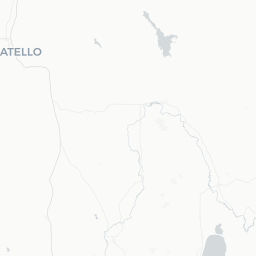
Jackson sits in a high valley — Jackson Hole — at roughly 6,200 feet (1,890 m) elevation in northwest Wyoming, flanked by the Teton Range to the west and the Gros Ventre Range to the east. Despite a permanent population of around 10,500, the town swells dramatically with visitors drawn by two of America's most celebrated national parks: Grand Teton, whose southern boundary begins just north of town, and Yellowstone, roughly 60 miles farther north.
The town center, known as the Town Square, retains a frontier character — wooden boardwalks, four arched gates built from elk antlers shed naturally in the National Elk Refuge, and a lively mix of galleries, outfitters, and restaurants. Underneath the rustic aesthetic, however, Jackson has become one of the wealthier small towns in the United States, reflected in high-end dining, luxury lodges, and property values among the highest in the country.
Outdoor recreation is the defining reason people come. In summer, visitors hike, raft the Snake River, watch moose and bison, and ride aerial trams. In winter, Jackson Hole Mountain Resort — located in Teton Village, about 12 miles from town — draws serious skiers with some of the most challenging terrain in North America. Spring and fall are quieter, attracting photographers and wildlife enthusiasts willing to trade peak-season crowds for better animal viewing conditions.
Before You Go
Visas and Entry
Jackson is in the United States. Entry requirements depend on your nationality. Check TravelerPulse's Visas section and the official U.S. Customs and Border Protection website (cbp.gov) for current requirements before booking.
Altitude
Jackson sits above 6,200 feet. Visitors arriving from sea level may experience mild altitude-related fatigue, headaches, or shortness of breath in the first day or two. Drink extra water, limit alcohol initially, and allow time to acclimatize before strenuous hikes.
Seasonal Considerations
- Summer (June–August): Peak season. Book accommodation and national park timed-entry reservations — where required — as far in advance as possible. Grand Teton National Park periodically introduces timed-entry permits for popular areas; check nps.gov/grte before your trip.
- Winter (December–March): Road closures affect access to parts of Yellowstone and some Teton roads. Pack warm, layered clothing; temperatures regularly drop below 0°F (−18°C).
- Shoulder seasons: Some businesses have reduced hours or close entirely in November and April–early May.
What to Pack
Regardless of season, pack layers. Mountain weather changes quickly. Sun protection (sunscreen, sunglasses, hat) is important at altitude even on overcast days. Bear spray is recommended for backcountry hiking and is available for rent or purchase locally.
Getting There
By Air
Jackson Hole Airport (JAC) is located inside Grand Teton National Park, making it one of the few commercial airports situated within a national park boundary. It offers direct flights from several major U.S. hubs including Denver, Dallas, Chicago, Los Angeles, Salt Lake City, and others — verify current routes with airlines, as seasonal service varies. The airport is approximately 9 miles north of downtown Jackson.
By Car
Driving is the most flexible option. Jackson is reached via U.S. Highway 89/191 from the south (coming through Idaho or Utah) or from the north through Grand Teton and Yellowstone. From Salt Lake City, the drive is roughly 270–290 miles (about 4.5–5 hours depending on route and conditions). Mountain passes can be affected by snow and ice; check Wyoming Department of Transportation (wyoroad.info) for road conditions before traveling in winter or spring.
By Bus
Limited intercity bus service connects Jackson to some regional destinations. Verify current schedules and operators locally or online, as service can change seasonally.
Getting to Teton Village
Teton Village, home to Jackson Hole Mountain Resort, is about 12 miles northwest of downtown Jackson. The START Bus public transit system runs a route between Jackson and Teton Village; verify current schedules at startbus.com.
Getting Around
In Town
Downtown Jackson is compact and walkable. The Town Square and immediate surroundings — restaurants, galleries, outfitters — can be covered comfortably on foot.
Public Transit
START Bus (Southern Teton Area Rapid Transit) operates routes within Jackson and to Teton Village. Fares and schedules vary by season; check startbus.com for current information. Service is generally more frequent in peak summer and ski season.
Car Rental
A rental car is strongly recommended for anyone planning to visit Grand Teton National Park, Yellowstone, or the National Elk Refuge. Car rental agencies operate at Jackson Hole Airport and in town; book well in advance for summer and ski season.
Taxis and Ride-Shares
Taxi and ride-share availability is more limited than in large cities. Options exist but wait times can be longer, particularly late at night or during peak periods. Ask your accommodation for recommended local services.
Cycling
Jackson has a network of paved multi-use pathways, including a popular path running between town and Teton Village. Bikes can be rented from local outfitters.
Things to See & Do
National Parks
Grand Teton National Park begins just north of Jackson. The park offers iconic views of the Teton Range, hiking trails ranging from easy lakeside walks to strenuous summit climbs, wildlife watching (moose, bison, pronghorn, bears, wolves), boating on Jenny Lake, and scenic drives including the Teton Park Road and U.S. 89/191. An entrance fee applies; check nps.gov/grte for current fees and any required permits.
Yellowstone National Park is roughly 57 miles north of Jackson via the John D. Rockefeller Jr. Memorial Parkway. Plan at least a full day; most visitors spend two or more. Entrance fees apply separately from Grand Teton.
Skiing and Winter Sports
Jackson Hole Mountain Resort in Teton Village is one of the largest and most challenging ski resorts in the United States, with significant vertical drop and a high proportion of expert terrain. Snow King Mountain Resort is a smaller ski area located directly at the edge of Jackson town, convenient for beginners and families. Nordic skiing and snowshoeing are available in Grand Teton National Park and other areas during winter.
Wildlife and Nature
- National Elk Refuge: Adjacent to Jackson, the refuge hosts one of the largest elk herds in North America, particularly dramatic in winter. Horse-drawn sleigh rides through the herd operate seasonally — verify current availability and operators locally.
- Snake River: Guided float and whitewater raft trips operate in summer. Several licensed outfitters in town offer half-day to full-day trips.
- Wildlife safaris: Guided wildlife-watching tours by van or on foot are available through numerous licensed operators; they can significantly improve odds of spotting bears, wolves, and other animals.
In Town
- Town Square antler arches and the surrounding boardwalk district
- National Museum of Wildlife Art (verify opening hours and admission at wildlifeart.org)
- Jackson Hole Historical Society and Museum
- Live music venues and the historic Million Dollar Cowboy Bar
Food & Drink
Jackson's dining scene punches well above its small-town size, reflecting the affluent visitor base. Expect a wide range of options from casual burger joints and taco trucks to fine-dining restaurants with seasonal menus and strong wine lists. Many top restaurants are reservation-only, particularly in summer and ski season — book in advance.
Local specialties lean toward Western American comfort food: bison burgers, elk medallions, trout, and hearty breakfast plates popular with skiers and hikers. Farm-to-table sourcing is common at mid- and upper-range establishments, though growing seasons are short at this elevation.
The bar scene is active year-round. Several breweries and a distillery operate in the area; verify current locations and hours locally. The Million Dollar Cowboy Bar on Town Square is a longtime local landmark with a distinctive interior and live country music.
Note that prices throughout Jackson tend to be higher than national averages, reflecting both the cost of operating in a remote mountain town and the visitor demographic. Budget travelers can find more affordable options at grocery stores and quick-service spots.
Shopping
Shopping in Jackson skews toward outdoor gear, Western art, and souvenirs. The Town Square area is lined with galleries selling paintings, sculpture, and photography — the town has a genuine reputation as a Western art market, and the Jackson Hole Art Auction draws collectors each fall.
Outdoor equipment retailers (several major chains and independent outfitters) stock gear for hiking, climbing, skiing, fishing, and camping. This is a reliable place to buy or rent bear spray, upgrade hiking boots, or source last-minute outdoor essentials before entering the parks.
Western wear — boots, hats, belt buckles — is available at several shops and ranges from authentic working gear to tourist-oriented items. Prices for quality goods are generally not cheap. Souvenir shops selling lower-priced items cluster near Town Square.
Practical Information
Emergency Services
For all emergencies in the United States, dial 911.
Medical
St. John's Medical Center is Jackson's main hospital. For non-emergency medical needs, urgent care clinics operate in town — verify current locations and hours locally.
Money
Most businesses accept major credit and debit cards. ATMs are available in town and at the airport. Jackson is an expensive destination by U.S. standards; budget accordingly, particularly for accommodation and dining.
Connectivity
Cell coverage is generally good within Jackson town. Coverage becomes unreliable or absent in backcountry areas of Grand Teton and Yellowstone. Download offline maps before heading into the parks. Wi-Fi is available at most hotels and many cafes.
National Park Fees
Entrance fees apply to both Grand Teton and Yellowstone. An America the Beautiful Annual Pass covers entrance to both parks plus hundreds of other federal sites and may offer savings for visitors planning multiple park visits. Check nps.gov for current fee information.
Tipping
Tipping is standard practice in the United States. In restaurants, 18–20% of the pre-tax bill is conventional. Tip guides, drivers, and hotel housekeeping according to standard U.S. norms.
Safety
Jackson is a safe destination by most measures. Violent crime is low. The primary safety considerations are environmental and wildlife-related.
Wildlife Safety
Black bears and grizzly bears are present throughout the greater Jackson Hole ecosystem, including in Grand Teton National Park and occasionally near town. Carry bear spray when hiking, know how to use it, store food and scented items properly (in bear boxes or canisters, never in tents), and maintain required distances from all wildlife. Bison, moose, and elk can also be dangerous if approached; the National Park Service minimum viewing distances (25 yards for most wildlife, 100 yards for bears and wolves) exist for your safety, not just the animals'.
Outdoor Hazards
Sudden afternoon thunderstorms are common in summer, especially at higher elevations; descend from exposed ridges before storms arrive. Hypothermia is a risk in all seasons due to elevation and rapidly changing conditions. Never hike alone in remote areas without informing someone of your route and expected return time.
Altitude
As noted in Before You Go, altitude sickness can affect visitors. If symptoms are severe or worsen, descend to lower elevation and seek medical attention.