Translate


Overview
Huntington is the second-largest city in West Virginia, situated at the confluence of the Ohio and Guyandotte rivers in the state's southwestern corner. Founded in 1871 by Collis P. Huntington as a western terminus for the Chesapeake and Ohio Railway, the city grew into a regional center for commerce, industry, and higher education.
Today Huntington is best known as the home of Marshall University, a public research institution with a visible presence throughout the city. The university gives Huntington a youthful energy and underpins much of its cultural and sporting life. The city also sits within a broader tri-state region that includes Ashland, Kentucky and Ironton, Ohio, making it a natural hub for travelers exploring this stretch of Appalachia.
Huntington has faced economic and public health challenges in recent decades, but community-led revitalization efforts are evident in neighborhoods like the Pullman Square district, the Arts District along Fifth Avenue, and the rejuvenated waterfront area. Visitors who look past surface impressions will find genuine hospitality, authentic regional food, and a surprisingly rich arts scene for a city of its size.
Before You Go
Visas and Entry
Huntington is in the United States. For visa and entry requirements, check TravelerPulse's Visas section and the official US Customs and Border Protection website (cbp.gov). Requirements vary significantly by nationality.
Climate
Huntington has a humid subtropical climate with four distinct seasons. Summers (June–August) are hot and humid, with temperatures regularly reaching the upper 80s°F (low 30s°C). Winters can bring cold spells and occasional snow, though heavy accumulation is not guaranteed. Spring and fall are generally pleasant and are considered the most comfortable times to visit.
What to Pack
- Comfortable walking shoes suitable for both urban streets and riverside paths
- Layers in spring and fall; light clothing in summer
- Rain jacket year-round — the region receives consistent rainfall
- Cash for smaller local restaurants and markets, though card payment is widely accepted
Health
No vaccinations are required to visit West Virginia beyond standard US travel health recommendations. Verify any health advisories with your own physician or a travel health clinic before departure.
Getting There
By Air
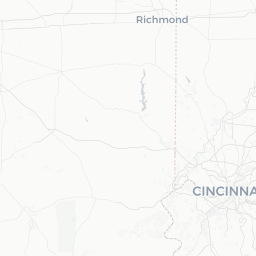
The closest commercial airport is Tri-State Airport (HTS), officially Huntington Tri-State Airport, located in Ceredo, West Virginia, just a few miles west of downtown. It offers limited regional connections; travelers coming from farther afield often find it practical to fly into Charleston Yeager Airport (CRW), roughly 50 miles east, or even Cincinnati/Northern Kentucky International Airport (CVG), about 150 miles to the northwest, which has more extensive connections.
By Road
Huntington is accessible via Interstate 64, which runs east–west through the city, and US Route 60. Driving is the most flexible option and the primary way most visitors arrive. The city is approximately 50 miles west of Charleston, WV; 150 miles east of Lexington, KY; and 3.5 hours southeast of Columbus, OH.
By Bus
Greyhound and some regional bus operators serve Huntington. Verify current schedules and stop locations directly with the carrier before travel, as service patterns change.
By Rail
Amtrak's Cardinal line stops in Huntington on its Chicago–New York route. Service is limited to a few days per week in each direction; confirm the current schedule on amtrak.com.
Getting Around
On Foot
The downtown core, Pullman Square, and the riverfront areas are walkable. Many attractions and restaurants are clustered along Fourth and Fifth Avenues and near the Marshall University campus.
By Car
A personal vehicle or rental car is the most practical way to explore beyond downtown, particularly for reaching the riverfront parks, suburban areas, or day-trip destinations. Parking is generally available and not difficult to find by the standards of larger cities.
Public Transit
The Transit Authority of Tri-County (TARTA) operates bus routes in the Huntington area. Service is functional but limited in frequency and coverage compared to major metro systems. Verify current routes and schedules on the TARTA website or locally.
Rideshare
Rideshare services such as Uber and Lyft operate in Huntington, though availability may be more variable than in larger cities, particularly late at night.
Things to See & Do
Arts and Culture
- Huntington Museum of Art — West Virginia's largest art museum, with a permanent collection that includes American and European paintings, decorative arts, and a notable glass collection. Set on a wooded hilltop with sculpture gardens. Verify current hours and admission on their official site.
- Keith-Albee Performing Arts Center — A beautifully preserved 1928 atmospheric theater on Fourth Avenue that hosts concerts, Broadway touring productions, and community events.
- Marshall Artists Series — Marshall University presents a regular program of performing arts events; check the university's official calendar for current programming.
Outdoor and Waterfront
- Harris Riverfront Park — A public green space along the Ohio River with walking paths, a small amphitheater, and views of the river. A pleasant spot for a morning walk or picnic.
- Ritter Park — A large municipal park considered one of the finest examples of early 20th-century landscape park design in West Virginia. It features walking trails, a rose garden, tennis courts, and a playground.
- Beech Fork State Park — Located about 20 miles south of the city, this state park offers boating, fishing, hiking, and camping. Verify hours and fees on the West Virginia State Parks website.
Marshall University
- A walk through the campus gives a feel for the city's character. The Morrow Library hosts archives related to the 1970 Marshall plane crash — a significant event in the university's history — and the Marshall Memorial Fountain serves as a place of reflection.
Food & Drink
Huntington has a genuine food scene that punches above its weight for a city of its size. A recurring local point of pride is the city's pizza culture — Huntington has sometimes been cited as having more pizza restaurants per capita than nearly any other US city, though this claim should be taken as colorful local lore rather than verified statistic. Regardless, you will find no shortage of independent pizza shops.
What to Look For
- Appalachian and Southern comfort food — Biscuits, gravy, beans and cornbread, and other regional staples appear on menus throughout the city. Local diners and cafes are good places to seek these out.
- Independent restaurants — The Fifth Avenue corridor and Pullman Square area have a concentration of locally owned restaurants covering a range of cuisines.
- Craft beer — A small but active craft brewing scene has developed in recent years. Verify which taprooms are currently operating locally.
Practical Notes
Restaurant options in the immediate downtown area are walkable. Hours and menus can change; checking Google Maps or calling ahead is advisable, particularly on Sundays and Mondays when some independent spots close.
Practical Information
Emergency Services
In any emergency in the United States, dial 911 for police, fire, or ambulance.
Money
ATMs are widely available downtown and near Marshall University. Most businesses accept major credit and debit cards. Smaller local diners and markets may prefer or require cash.
Connectivity
Wi-Fi is available at the public library, most hotels, and many cafes and restaurants. Mobile coverage from major US carriers is generally reliable in the city.
Accessibility
Downtown Huntington is largely flat and reasonably accessible for mobility-limited visitors. Ritter Park and Harris Riverfront Park have paved paths. Verify specific accessibility facilities at individual attractions before visiting.
Useful Contacts
- Huntington Regional Convention & Visitors Bureau — The local CVB can provide visitor information; verify their current contact details and website locally.
- Marshall University — marshall.edu for campus event information.
Safety
Huntington, like many mid-sized American cities, has neighborhoods that vary in their safety profile. Downtown, Pullman Square, the Marshall University campus area, and the park districts are generally considered safe for visitors during daylight hours. Standard urban travel precautions apply: remain aware of your surroundings, secure valuables, and avoid walking alone in unfamiliar areas late at night.
The city has been significantly affected by the opioid crisis, which is well-documented. This may be visible in some parts of the city. It is not a reason to avoid visiting, but travelers should be aware of the context.
For current travel advisories or safety information, consult the local police department's public communications or the city's official website. In an emergency, dial 911.
Local Culture & Etiquette
Huntington sits firmly within Appalachian cultural geography, and that identity — a mix of working-class history, strong community ties, musical tradition, and pride in place — is palpable to attentive visitors. The city's railroad heritage is foundational; the very street grid reflects its planned industrial origins.
Marshall University shapes a great deal of the city's cultural rhythm. Football season in particular generates significant community energy; the Thundering Herd's home games at Joan C. Edwards Stadium draw large crowds and are a genuine community event. The 1970 plane crash that killed 75 members of the university's football program, coaching staff, and supporters remains a deeply significant part of the community's identity and is commemorated with considerable solemnity.
Local arts organizations, the museum, the Keith-Albee, and smaller galleries contribute to a cultural life that residents take seriously. Visitors who engage with locals — at a diner, at a game, or at a community event — are likely to encounter genuine warmth and willingness to share the city's story.