Overview
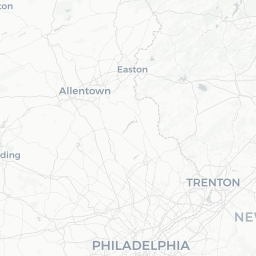
Philadelphia is the largest city in Pennsylvania and one of the oldest and most historically significant cities in the United States. Founded in 1682 by William Penn, it served as the birthplace of American democracy — the Declaration of Independence was signed here in 1776, and the U.S. Constitution was drafted here in 1787. Today it is a working city of roughly 1.6 million people with a dense urban core, a mix of historic and contemporary architecture, and a strong identity rooted in its neighborhoods.
Beyond its history, Philadelphia has a serious cultural footprint. The Philadelphia Museum of Art, the Barnes Foundation, and the Pennsylvania Academy of the Fine Arts make it one of the top cities in the country for visual art. Its food scene spans James Beard Award–winning restaurants, Italian Market vendors, and the ever-debated cheesesteak. Sports culture runs deep, and locals are notably passionate about the Eagles, Phillies, 76ers, and Flyers.
Philadelphia is also a practical destination. It is compact enough to explore on foot or by transit, reasonably affordable compared to New York City, and well connected by rail and air. Visitors can move between the colonial-era streets of Old City and the leafy boulevards of West Philadelphia in under 30 minutes.
Before You Go
Visas and Entry
Philadelphia is a US port of entry. Visa and entry requirements for the United States vary significantly depending on your citizenship. Check TravelerPulse's Visas section and the official US Customs and Border Protection website for current requirements before booking.
Weather and Seasons
Philadelphia has a humid continental climate with four distinct seasons. Summers (June–August) are hot and humid, often reaching above 32 °C (90 °F). Winters (December–February) are cold with occasional snow and temperatures that can drop below freezing. Spring and autumn are the most comfortable periods for sightseeing. Pack layers in shoulder seasons, as temperatures can swing significantly between morning and afternoon.
Health and Vaccinations
No vaccinations are specifically required for travel to Philadelphia. Standard travel health precautions apply. Visitors from outside the US should confirm whether their health insurance covers medical care in the United States, as costs can be high without coverage. Verify current health advisories with your home country's travel health authority before departure.
Practical Preparations
- Philadelphia International Airport (PHL) has currency exchange and ATMs in the terminal.
- The city uses a standard US 120V / 60Hz electrical system with Type A and B outlets.
- Tap water is safe to drink throughout the city.
- Download the SEPTA app before arrival for transit maps and fare information.
Getting There
By Air
Philadelphia International Airport (PHL) is the primary gateway, located approximately 11 km (7 miles) southwest of Center City. It is served by numerous domestic and international carriers. The Airport Line commuter rail connects the airport to Center City stations (including 30th Street Station and Jefferson Station) — verify current schedules and fares on the SEPTA website. Taxis, rideshares, and car rental services are also available at the airport.
By Train
Amtrak serves Philadelphia's 30th Street Station with frequent service along the Northeast Corridor, connecting to New York Penn Station, Washington D.C. Union Station, Baltimore, and Boston. This is one of the busiest rail corridors in the country and is often a competitive alternative to flying for intercity travel. Verify current schedules and fares at amtrak.com.
By Bus
Several intercity bus operators — including Greyhound and various discount carriers — serve Philadelphia from major Northeast cities. Bus terminals are located in and near Center City. Check current routes and operators locally or online, as schedules change.
By Car
Philadelphia sits at the intersection of I-95, I-76 (the Schuylkill Expressway), and I-676. Driving into the city is straightforward, but parking in Center City is limited and can be expensive. If you are staying in Center City, consider using transit rather than keeping a car for daily sightseeing.
Getting Around
SEPTA (Southeastern Pennsylvania Transportation Authority)
SEPTA operates the city's subway (Market-Frankford Line and Broad Street Line), trolleys, buses, and regional rail lines. The system covers most areas visitors will want to reach. A reloadable SEPTA Key card is available at station kiosks and reduces per-ride cost compared to cash. Verify current fares and hours on the SEPTA website (septa.org).
Walking
Center City, Old City, South Street, and the Benjamin Franklin Parkway area are all walkable. Much of the historic core is compact — the Liberty Bell, Independence Hall, and Reading Terminal Market are all within easy walking distance of one another. Comfortable shoes are strongly recommended; many streets, especially in Old City, are paved with original cobblestones.
Cycling
Indego, Philadelphia's bike-share program, provides docked e-bikes and pedal bikes at stations throughout the city. The Schuylkill River Trail and Kelly Drive offer pleasant off-road cycling routes. Verify current station locations and pricing at rideindego.com.
Rideshare and Taxis
Uber and Lyft are widely available throughout the city. Traditional taxis can be hailed or found at major hotels and transit hubs. For airport trips, confirm pricing before departing.
Driving and Parking
Renting a car is unnecessary for most visitors staying in Center City. If you drive, the Philadelphia Parking Authority operates garages throughout Center City — verify current locations and rates at philapark.org.
Where to Stay
Neighborhoods to Consider
Center City is the most convenient base for first-time visitors — it places you within walking distance of most major attractions, transit hubs, and restaurants. Rittenhouse Square within Center City offers a quieter, residential atmosphere. Old City is close to the historic sites and has a lively nightlife scene on weekends.
Fishtown and Northern Liberties are popular with travelers who want to be immersed in the city's arts and dining scene and are comfortable using transit or rideshare to reach historic sites. University City (West Philadelphia), near Penn and Drexel, is a good option for academic or medical visitors and offers access to the Penn Museum and Schuylkill trail.
Accommodation Types
Philadelphia has the full range of accommodation types: major hotel brands concentrated in Center City, boutique hotels in Old City and Rittenhouse Square, short-term rentals across most neighborhoods, and hostels aimed at budget travelers. Prices vary significantly by season and events (major conventions, sporting events, and holiday weekends push rates up). Always verify current availability and pricing directly with accommodation providers or booking platforms.
Tips
- Book well in advance if visiting during major events such as the Philadelphia Flower Show (typically March), Made in America festival, or any major sports playoff run.
- Parking fees can add substantially to hotel costs if you arrive by car — confirm whether your accommodation offers parking or has a nearby arrangement.
Things to See & Do
Historic Sites
- Independence National Historical Park — A free, federally managed park that includes Independence Hall (where the Declaration of Independence and Constitution were debated and signed) and the Liberty Bell Center. Timed entry passes for Independence Hall are available and often recommended in peak season; verify current procedures at nps.gov/inde.
- Elfreth's Alley — Widely cited as one of the oldest continuously inhabited residential streets in the United States, dating to the early 18th century.
- Eastern State Penitentiary — A once-operational prison with a remarkably preserved Gothic exterior, now a museum and historic site. Verify current admission details at easternstate.org.
- Betsy Ross House — Interpreted historic house associated with the early American flag.
Museums and Culture
- Philadelphia Museum of Art — One of the largest art museums in the United States, with an encyclopedic collection. The famous Rocky steps on its exterior are a popular (free) visit even without entering the museum. Verify current hours and admission at philamuseum.org.
- The Barnes Foundation — Houses an extraordinary collection of Post-Impressionist and early Modern paintings assembled by Albert C. Barnes. Advance tickets are recommended. Verify details at barnesfoundation.org.
- The Franklin Institute — Science museum with interactive exhibits and a renowned astronomy program. Suitable for all ages.
- Pennsylvania Academy of the Fine Arts (PAFA) — The oldest art museum and school in the country, with a strong American art collection.
- The African American Museum in Philadelphia — The first institution founded and built by a major US city to preserve and interpret African American history and culture.
Neighborhoods to Explore
- Old City — Galleries, boutiques, and colonial-era streets alongside the historic sites.
- Fishtown and Northern Liberties — Active arts and dining neighborhoods north of Center City.
- South Philadelphia — The Italian Market (9th Street Corridor), authentic row-home culture, and diverse dining.
- Fairmount and the Parkway — Museum corridor along the Benjamin Franklin Parkway leading to Fairmount Park.
- Manayunk — Canal-side neighborhood with independent shops and restaurants.
Outdoors
- Fairmount Park — One of the largest urban park systems in the United States, encompassing Wissahickon Valley Park and the Schuylkill River Trail.
- Wissahickon Valley Park — A surprisingly wild creek gorge with trails, accessible within city limits.
Food & Drink
What to Eat
Philadelphia has a strong and diverse food identity. The cheesesteak — thinly sliced beef with melted cheese on a hoagie roll — is the city's most famous food export. Pat's King of Steaks and Geno's Steaks in South Philadelphia are the two most cited institutions, though Philadelphians debate endlessly about which shops are best. The roast pork sandwich (with sharp provolone and broccoli rabe) is also considered a local essential by many food writers.
Reading Terminal Market, a covered public market in operation since 1893, is one of the best places in the city to eat across cuisines — Pennsylvania Dutch vendors, seafood, Middle Eastern food, local produce, and much more are all represented under one roof. It is open most days but verify current hours at readingterminalmarket.org.
The city's restaurant scene extends well beyond these staples. Philadelphia has a significant concentration of acclaimed restaurants, with a particularly strong showing of Italian-American, Vietnamese, and modern American dining. The neighborhoods of Fishtown, South Philadelphia, and Rittenhouse Square all have active dining corridors.
Drinking
Philadelphia has a well-developed craft beer culture, with numerous local breweries and taprooms. Pennsylvania's liquor laws differ from many US states — wine and spirits are sold through state-run Fine Wine & Good Spirits stores, while beer can be purchased at licensed distributors, some grocery stores, bars, and restaurants. Confirm current regulations locally. The city's cocktail bar scene is concentrated in Center City, Old City, and Fishtown.
Shopping
Overview
Philadelphia offers a range of shopping experiences from large malls to independent boutiques. Walnut Street in Rittenhouse Square is the primary upscale retail corridor, with national and international brands. The Reading Terminal Market is the go-to destination for food-related purchases, local products, and Pennsylvania Dutch specialties.
Neighborhoods for Independent Shopping
- South Street — Eclectic mix of vintage stores, independent boutiques, and record shops.
- Old City — Art galleries, design shops, and craft-focused retailers.
- Chestnut Hill — A quieter, residential neighborhood with locally owned shops along Germantown Avenue.
- Manayunk — Main Street has a mix of boutiques and home goods stores.
Malls and Larger Centers
The Fashion District Philadelphia in Center City is a large urban retail complex. King of Prussia Mall, while technically outside the city limits in suburban Montgomery County, is one of the largest shopping malls in the United States and is reachable via the SEPTA regional rail and express bus. Verify current transit options to King of Prussia with SEPTA.
Practical Information
Emergency Numbers
- Emergency (police, fire, ambulance): 911
- Philadelphia Police non-emergency: Verify current number at phillypolice.com
- Poison Control (US national): 1-800-222-1222
Money
ATMs are widely available throughout Center City and most neighborhoods. Major credit and debit cards are accepted nearly everywhere. Some smaller vendors at markets may prefer cash — it is useful to carry a small amount. US sales tax in Philadelphia includes a city tax on top of Pennsylvania state tax; the combined rate for most goods is higher than the state average — verify current rates locally.
Communications
Philadelphia has widespread 4G and 5G mobile coverage from major US carriers. Free public Wi-Fi is available in many parks, transit stations, and public spaces through the city's LinkPHL and other programs, though reliability varies. International visitors should confirm roaming costs with their carrier or consider a local SIM.
Medical and Pharmacies
Philadelphia has major hospital systems including Jefferson Health, Penn Medicine, and Temple University Hospital. Pharmacies (including 24-hour locations of national chains) are distributed throughout the city. International visitors are strongly advised to carry travel health insurance given the cost of US medical care.
Tipping
Tipping is standard practice in the United States. A common range for restaurant table service is 18–20% of the pre-tax bill. Tipping for bar service, coffee bars, rideshares, and hotel staff is customary at lower amounts — assess the situation and tip at your discretion. Tipping is not required but is appreciated.
Safety
Philadelphia, like most large American cities, has neighborhoods with varying safety profiles. Center City, Old City, Rittenhouse Square, Fairmount, and the main tourist corridors are generally considered safe for visitors, particularly during daylight hours. Standard urban precautions apply: be aware of your surroundings, keep valuables secured, and avoid displaying expensive equipment unnecessarily.
Certain neighborhoods in North Philadelphia, parts of West and Southwest Philadelphia, and Kensington (in the northeast) have experienced higher rates of violent crime and open drug use. Kensington in particular has been widely reported as having a concentrated opioid crisis. Visitors have no reason to visit these areas for tourism purposes, and first-time visitors should research neighborhood boundaries before exploring independently.
At night, stick to well-lit, populated streets and use rideshare or transit rather than walking through unfamiliar areas. The SEPTA subway is generally reliable but can feel less comfortable very late at night on some lines — use your judgment.
For current safety advisories or specific neighborhood information, check the Philadelphia Police Department's public crime mapping resources and consult your accommodation's front desk upon arrival.
Local Culture & Etiquette
Philadelphia has a distinctive civic identity that sets it apart from other Northeast US cities. Residents tend to have a strong attachment to their neighborhoods — South Philly, Fishtown, Chestnut Hill, and Manayunk each have their own character and loyal local communities. The city has a substantial African American heritage and population, reflected in its music history (Philadelphia soul and funk from the 1970s), its museums, and its public art.
Sports fandom in Philadelphia is genuine and intense. The Eagles (NFL), Phillies (MLB), 76ers (NBA), and Flyers (NHL) all have passionate fan bases, and game days visibly change the energy of the city. Visitors attending games should be aware that the atmosphere at major games can be boisterous.
The Mural Arts Philadelphia program has produced over 4,000 murals across the city since 1984, making Philadelphia one of the largest outdoor public art collections in the world. Walking or cycling through neighborhoods with the murals in mind adds a different dimension to exploring the city.
Philadelphia has historically been a city of row homes and dense residential blocks, and this physical structure encourages neighborhood-level community. Block parties, street festivals, and public markets are common throughout the warmer months. The Mummers Parade on New Year's Day is a uniquely Philadelphian tradition with deep roots in the city's working-class South Philly communities.