Translate

Overview
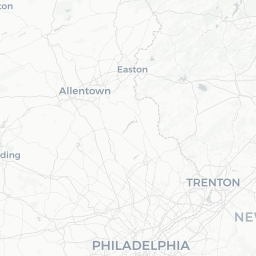
Lancaster is a small city of roughly 59,000 people in south-central Pennsylvania, widely regarded as the heart of Pennsylvania Dutch Country. It sits in Lancaster County, one of the most productive agricultural counties in the northeastern United States, and serves as an anchor between a working rural landscape and a genuinely walkable, historically rich urban core.
The city is best known as a gateway to the surrounding Amish and Mennonite communities, but downtown Lancaster stands on its own merits. Penn Square, the Central Market, and a dense grid of 18th- and 19th-century architecture make the city itself worth exploring. A growing restaurant and arts scene has emerged over the past decade, attracting visitors who might otherwise pass through without stopping.
Lancaster was briefly the capital of the United States for a single day in 1777, when Congress convened here while fleeing the British occupation of Philadelphia. That layered history — colonial, Revolutionary, Civil War-era — is present throughout the city's buildings, churches, and museums.
Before You Go
Visas
Lancaster is a city in the United States. For visa and entry requirements, please check TravelerPulse's Visas section and consult the U.S. Department of State or your home country's official immigration authority for current rules.
When to Go
- Spring (April–May): Mild temperatures, blooming farmland, and fewer crowds. Good for driving rural routes.
- Summer (June–August): Peak tourist season. Farmers markets are at full production; outdoor events are plentiful. Accommodation books up on weekends.
- Fall (September–October): Arguably the most scenic time. Harvest season, fall foliage, and harvest festivals align well.
- Winter (November–March): Quieter and cold. The downtown holiday market draws visitors in December. Some rural attractions reduce hours or close.
Practical Notes
- Many Amish businesses are closed on Sundays and some religious holidays. Plan rural excursions accordingly.
- Cash is useful in rural markets and roadside stands that do not accept cards.
- Cell service can be patchy in some rural parts of the county.
Getting There
By Air
The nearest major airports are Philadelphia International Airport (PHL), approximately 70 miles east, and Baltimore/Washington International (BWI), roughly 75 miles south. Both connect to Lancaster via car or bus. Lancaster Airport (LNS) is a small regional facility; verify current commercial service before relying on it.
By Train
Amtrak's Keystone Service and Pennsylvanian routes stop at Lancaster Station on McGovern Avenue, with connections to Philadelphia and New York Penn Station. This is a practical option for visitors coming from the Northeast Corridor. Verify current schedules and fares at Amtrak.com.
By Car
Lancaster sits near the intersection of US-30 and US-222. From Philadelphia, US-30 west or the Pennsylvania Turnpike (I-76) west to Route 222 south are common routes, taking roughly 1.5 hours in normal traffic. From Baltimore, I-83 north to Route 30 east is a typical approach.
By Bus
Several intercity bus carriers serve Lancaster with connections to Philadelphia, New York, and Washington D.C. Verify current operators and schedules locally, as service options change.
Getting Around
In the City
Downtown Lancaster is compact and walkable. Penn Square, the Central Market, and many restaurants, shops, and museums are within easy walking distance of one another. The Red Rose Transit Authority (RRTA) operates local bus routes throughout the city; verify current route maps and fares on their official website.
Exploring the County
A personal vehicle is strongly recommended for visiting Amish country, covered bridges, and rural farm stands. The county's secondary roads — particularly around Strasburg, Bird-in-Hand, and Intercourse — are well-suited to slow, scenic drives. Be aware that horse-drawn buggies share the road in many areas; give them space and reduce speed when approaching.
Cycling
Lancaster city has made investments in cycling infrastructure. The city's flat to gently rolling terrain makes cycling a reasonable option within town. Several outfitters in the county offer bicycle rentals specifically for touring rural roads; verify availability locally.
Things to See & Do
Downtown Lancaster
- Penn Square and Central Market: The Central Market, operating since the 18th century, is one of the oldest continuously operating farmers markets in the country. It typically runs Thursday, Friday, and Saturday mornings. Verify current hours on the official Central Market website.
- Lancaster Museum of Art (LMA): Located in a historic building on Penn Square, it features rotating exhibitions of regional and national artists.
- Fulton Theatre: A Victorian-era theater on Prince Street that stages professional productions year-round. Check their calendar for current shows.
- Wheatland: The historic home of President James Buchanan, the only U.S. president from Pennsylvania, is located in Lancaster. Verify current tour availability with the LancasterHistory organization.
Pennsylvania Dutch Country (Lancaster County)
- Strasburg Railroad: A heritage steam railroad offering scenic rides through farmland. One of the oldest short-line railroads in continuous operation in the country.
- Railroad Museum of Pennsylvania: Located in Strasburg adjacent to the heritage railroad, it holds one of the most significant collections of historic locomotives and rolling stock in the United States.
- Covered Bridges: Lancaster County has more than two dozen historic covered bridges. Maps are available from the Pennsylvania Dutch Convention & Visitors Bureau.
- Plain community farms and markets: Roadside stands and small markets operated by Amish and Mennonite families are common throughout the county. Purchasing directly supports local families. Respect posted signs regarding photography.
Outdoor Activity
The Lancaster Junction Trail and the Enola Low-Grade Trail offer paved and unpaved rail-trail routes for walking and cycling. The Susquehanna River, a short drive west, provides opportunities for fishing and paddling.
Food & Drink
Lancaster has developed a notable food scene rooted in its agricultural surroundings. Farm-to-table sourcing is common because local farms genuinely supply restaurants and markets rather than it being purely a marketing claim.
Pennsylvania Dutch Specialties
Traditional Pennsylvania Dutch cuisine — scrapple, shoofly pie, chicken pot pie (a thick stew rather than a pastry pie), and soft pretzels — is widely available at the Central Market, roadside diners, and family restaurants throughout the county. These dishes reflect the German heritage of early settlers and remain genuinely part of local daily life.
Downtown Dining
Downtown Lancaster's restaurant corridor, particularly along Queen Street, Prince Street, and surrounding blocks, includes a variety of independent restaurants covering diverse cuisines. The density of quality independent dining for a city of this size is notable. Reservations are advisable on weekend evenings.
Breweries and Coffee
Several craft breweries operate in and around downtown Lancaster. The city also has an active independent coffee shop culture. Verify current business hours locally, as the hospitality scene does shift.
Markets
Beyond the Central Market, the Green Dragon Farmers Market in Ephrata (north of the city) is a large indoor-outdoor market operating on Fridays. Verify current hours and vendor availability before visiting.
Shopping
Downtown Lancaster's shopping is centered on independent retailers. Prince Street, Queen Street, and the blocks around Penn Square have bookstores, antique dealers, artisan goods shops, and galleries.
For traditional goods — handmade quilts, furniture, and baked items — the rural communities around Bird-in-Hand, Intercourse, and Strasburg have shops selling both authentic handcrafted items and more commercially produced goods. It is worth distinguishing between the two; authentic handmade Amish quilts and furniture represent significant craft and are priced accordingly.
Lancaster County also has several large outlet shopping centers, including Tanger Outlets in Lancaster and nearby Rockvale, for travelers interested in brand outlet shopping. These are separate from the historic downtown and cultural tourism areas.
Practical Information
Emergency Services
In any emergency in the United States, dial 911 for police, fire, or medical assistance.
Health
Penn Medicine Lancaster General Hospital is the primary hospital serving the city. Urgent care clinics are available in and around the city for non-emergency medical needs.
Money
ATMs are widely available in the city. Cash is advisable for rural markets, roadside stands, and some smaller Amish-operated businesses that do not accept cards.
Connectivity
Free Wi-Fi is available at the Lancaster Public Library and many downtown coffee shops and hotels. Mobile data coverage is generally reliable in the city but can be limited in rural parts of the county.
Tipping
Standard U.S. tipping practices apply: 18–20% at sit-down restaurants, $1–2 per drink at bars, and discretionary amounts for other services. This is not legally required but is the established social norm for service workers.
Safety
Lancaster city is generally considered safe for visitors, particularly in the downtown core and tourist-frequented areas. As with any small city, some neighborhoods away from the tourist center have higher crime rates; exercise normal urban awareness after dark in unfamiliar areas.
Rural Lancaster County presents minimal safety concerns. Road safety is the primary consideration: rural roads can be narrow, and horse-drawn buggy traffic is a real factor, particularly at dusk when buggies can be difficult to see. Reduce speed on rural roads and avoid distracted driving.
For current, specific safety conditions, consult the Lancaster Bureau of Police or local news sources.
Local Culture & Etiquette
Amish and Mennonite Communities
Lancaster County is home to one of the largest and oldest Amish communities in the world. The Old Order Amish live according to principles of simplicity, community, and separation from mainstream society, which means limited use of electricity, motor vehicles, and modern technology. Visitors should approach these communities with genuine respect rather than as spectacle.
- Do not photograph individuals without explicit, clear permission. Many Amish object to being photographed on religious grounds.
- Slow down and give wide berth to horse-drawn buggies on roads.
- Purchase from local stands and shops as a form of direct economic respect.
- Avoid trespassing on private farmland.
Historic and Colonial Context
Lancaster's colonial heritage is deeply intertwined with Pennsylvania's founding as a Quaker colony and subsequent waves of German, Swiss, and Scots-Irish settlement. The city's architecture, place names, and cultural institutions reflect this layered history. The LancasterHistory organization operates the county's main historical museum and maintains research archives.
Arts Scene
Lancaster has an active and growing arts community. The Lancaster Arts Hotel, the Fulton Theatre, and numerous galleries contribute to a cultural calendar that includes theater, live music, and visual arts events year-round. Check local event listings when planning your visit.