Translate
Overview
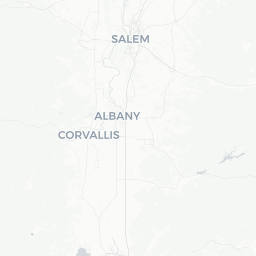
Millersburg is a small incorporated city in Linn County, Oregon, with a population of roughly 1,500 residents. Situated in the heart of the Willamette Valley, it sits immediately north of Albany along the Willamette River and is functionally part of the greater Albany urban area.
The city is primarily residential and light-industrial in character. It is not a conventional tourist destination, but it serves as a practical and affordable base for travelers exploring the mid-Willamette Valley — a region known for grass seed farming, covered bridges, and proximity to the Oregon Coast Range and Cascade foothills.
Visitors passing through or staying nearby will find the real draw is the surrounding landscape and the amenities of adjacent Albany, which offers far more in the way of dining, historic architecture, and services.
Before You Go
Visas & Entry
Millersburg is in the United States. For entry requirements, visit TravelerPulse's Visas section and check with the U.S. Citizenship and Immigration Services (USCIS) or the U.S. embassy or consulate in your home country.
What to Pack
- The Willamette Valley is rainy from October through April; a waterproof layer is advisable for much of the year.
- Summers are warm and dry — lightweight clothing works well from June through August.
- If you plan to explore rural areas or parks nearby, sturdy walking shoes are recommended.
Connectivity
Standard U.S. mobile carriers (AT&T, T-Mobile, Verizon) provide coverage in the area. Verify your plan's roaming terms if traveling from outside the U.S.
Getting There
By Air
The nearest commercial airport is Portland International Airport (PDX), approximately 70 miles north of Millersburg. Eugene Airport (EUG) is roughly 40 miles to the south and offers fewer routes but is the closer option depending on your itinerary. From either airport, a rental car is the most practical way to reach Millersburg.
By Car
Millersburg is directly accessible from Interstate 5. Exit options near Albany provide straightforward access to the city. Driving from Portland takes approximately 1 to 1.5 hours depending on traffic; from Eugene, roughly 45 minutes.
By Train
Amtrak's Cascades and Coast Starlight routes serve Albany, which is the nearest Amtrak station. Verify current schedules and fares at amtrak.com. From Albany station, you would need a car or rideshare to reach Millersburg.
By Bus
Greyhound and other regional bus services operate through the Albany area. Verify current routes and stops locally or online before travel.
Getting Around
Millersburg itself is a compact city, but it lacks a dedicated local transit system. A personal vehicle or rental car is strongly recommended for getting around both Millersburg and the wider Linn County area.
Rideshare services such as Uber and Lyft operate in the Albany-Millersburg area, though availability may be limited compared to larger cities — confirm availability before relying on them exclusively.
Cycling is feasible within the flat valley terrain, and some travelers use bicycles to cross between Millersburg and downtown Albany. Verify local trail and road conditions before setting out.
Things to See & Do
Millersburg itself has limited dedicated visitor attractions, but the surrounding region offers a variety of activities worth planning around.
Nearby Natural Areas
- The Willamette River corridor near Millersburg offers fishing and wildlife observation opportunities. Access points and permitted activities vary — verify locally.
- Linn County is home to more covered bridges than almost any other county in the western United States. A self-guided covered bridge tour of the region is a popular activity; the Linn County roadmap of bridges is available through the county.
Albany's Historic District
Immediately adjacent Albany has one of Oregon's largest collections of historic Victorian and Craftsman homes. The Monteith Historic District is walkable and well-documented by the city's historic preservation program.
Seasonal Agriculture
The Willamette Valley is a major grass seed and agricultural region. Farmers markets and farm stands in the broader Albany area operate seasonally — verify current schedules locally.
Food & Drink
Millersburg has very limited standalone dining options given its small size. Travelers should plan meals in adjacent Albany, which offers a fuller range of restaurants, cafes, and bakeries spanning casual American dining, Mexican cuisine, and local coffee shops.
The Willamette Valley as a whole is Oregon wine country, with numerous wineries and tasting rooms operating within a reasonable drive. Pinot Noir is the signature varietal of the region. Verify tasting room hours directly with individual wineries before visiting, as hours vary seasonally.
For groceries and everyday provisions, Albany has supermarkets and convenience stores within a short drive of Millersburg.
Practical Information
Emergency Services
Dial 911 for police, fire, or medical emergencies anywhere in the United States.
Medical Care
Samaritan Albany General Hospital in Albany is the nearest full-service hospital. Verify its current address and services at samaritanhealth.com or locally.
Money
ATMs are available in Albany. Credit and debit cards are widely accepted throughout the region. Oregon has no state sales tax, so the price displayed is generally the price you pay.
Tipping
Standard U.S. tipping conventions apply: 15–20% at sit-down restaurants, $1–2 per drink at bars, and discretionary for other services.
Time Zone
Millersburg observes Pacific Standard Time (UTC−8) and Pacific Daylight Time (UTC−7) when daylight saving is in effect. Verify current offset at the time of travel.
Safety
Millersburg is a quiet residential and industrial community and is generally considered safe for visitors. Standard urban travel precautions apply: secure valuables in your vehicle, be aware of your surroundings at night, and avoid leaving items visible in parked cars.
The Willamette Valley experiences occasional flooding near river corridors during winter and early spring. If traveling during those months, check local conditions and any road closure advisories through Oregon Department of Transportation (ODOT) or local news sources.