Translate
Overview
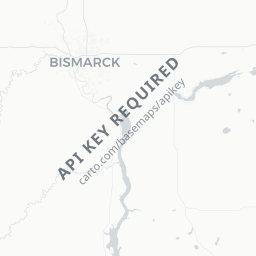
Bismarck sits on the eastern bank of the Missouri River in south-central North Dakota and serves as the state capital. With a population of roughly 75,000, it is one of the two largest cities in the state and functions as the political, commercial, and cultural hub of the region.
The city's location along the Missouri River shaped its entire history. It was a key steamboat port in the 19th century, a railroad terminus, and the jumping-off point for General Custer's 1874 Black Hills expedition. That layered past — Indigenous, frontier, and governmental — gives Bismarck a character distinct from many small American capitals.
Today visitors come for the state capitol building, a cluster of well-regarded history and heritage museums, Missouri River recreation, and access to the broader Plains landscape. It is an unhurried city that rewards curious, independent travelers more than those seeking a packed urban itinerary.
Before You Go
Visas
Bismarck is in the United States. Entry requirements vary significantly by nationality. Check TravelerPulse's Visas section for general guidance, and verify your specific situation with the U.S. Department of State or the official immigration authority of your home country well before travel.
Weather
North Dakota has a continental climate with wide seasonal swings. Summers (June–August) are warm to hot, with highs commonly in the 80s–90s°F (27–35°C). Winters are genuinely cold — temperatures well below 0°F (−18°C) are possible December through February, and wind chill can make conditions harsher. Spring and fall are short transition seasons. Pack layers regardless of when you visit, and check forecasts closely in winter.
What to Pack
- Summer: light clothing, sunscreen, insect repellent (mosquitoes are present near the river)
- Winter: heavy coat, thermal layers, waterproof boots, gloves, and a hat — this is not a climate to underestimate
- Year-round: comfortable walking shoes; distances between attractions often require driving
Getting There
By Air
Bismarck Airport (BIS) is the main gateway, located just a few miles from downtown. It offers regional and connecting flights through major hubs. Verify current routes and schedules directly with airlines or on the airport's official website, as service levels at smaller regional airports can change.
By Road
Interstate 94 runs east–west through Bismarck, connecting it to Fargo (roughly 190 miles east) and to the Montana border to the west. US Highway 83 runs north–south. Driving is the dominant way most people arrive, and a car remains useful once you are in the city.
By Bus
Long-distance bus service (Jefferson Lines and connecting carriers) links Bismarck to other Upper Midwest cities. Verify current schedules and stops locally, as service frequency is limited compared to larger metros.
By Rail
Amtrak's Empire Builder route passes through nearby Mandan (across the river), not Bismarck proper. The station is a short drive away. Check Amtrak.com for current schedules.
Getting Around
A personal vehicle or rental car is the most practical way to get around Bismarck. The city is spread out, attractions are not walkable from one another, and public transit is limited.
Bismarck's city bus system (Bis-Man Transit) operates fixed routes on weekdays and limited Saturday service. It is useful primarily for residents commuting to work and may not align well with a visitor's itinerary. Verify current routes and hours on the official Bis-Man Transit website.
Rideshare services (Uber and Lyft) operate in Bismarck, though availability may be lower than in larger cities, particularly late at night. Taxis are available; confirm with your hotel for recommended local options. Rental car agencies operate at the airport.
Things to See & Do
North Dakota State Capitol
The "Skyscraper of the Prairie" is one of the tallest buildings in the state — a 19-story Art Deco tower completed in 1934. Free tours of the building and legislative chambers are offered on weekdays; verify current tour hours with the State Historical Society of North Dakota before visiting.
State Historical Society of North Dakota / North Dakota Heritage Center
Adjacent to the capitol, this is the state's flagship museum. It covers Indigenous cultures, the Missouri River environment, frontier settlement, and statehood. Admission policies and hours should be confirmed on the official state website.
Fort Abraham Lincoln State Park
South of Bismarck in Mandan, this park preserves an On-a-Slant Mandan village site and the reconstructed post from which Custer departed for the Little Bighorn. It is one of the more substantive historic sites in the region. Check the North Dakota Parks and Recreation Department site for current fees and hours.
Missouri River Recreation
The river corridor offers fishing, boating, kayaking, and riverside trails. General Sibley Park and the Bismarck riverfront area provide accessible entry points. Conditions and available rentals vary by season — verify locally.
Five Nations Arts Museum
Located in Mandan, this museum focuses on the art and heritage of the five tribes historically associated with the Upper Missouri River. A worthwhile stop for anyone interested in Indigenous culture.
Double Ditch Indian Village State Historic Site
A large, earthlodge village site on the Missouri River bluffs north of Bismarck. It offers a walking trail over the unexcavated remains of a substantial Mandan settlement. No admission fee as of the time of writing; verify current access with state parks.
Food & Drink
Bismarck's dining scene reflects a mid-sized Great Plains capital: solid and unpretentious, with a strong emphasis on beef and American comfort food. You will find steakhouses, casual American restaurants, and a modest but growing number of locally owned spots.
The downtown area and the strip along State Street and Bismarck Expressway hold the highest concentration of restaurants and bars. Regional chains and national franchises are prevalent, but independent local establishments exist and are worth seeking out.
Craft beer has a presence in Bismarck, with a few local breweries operating taprooms. Ask locally for current recommendations, as the small-business landscape changes. German and Scandinavian culinary influences occasionally appear on menus, reflecting the region's settlement history.
Grocery options are readily available for self-catering. For something specific — dietary restrictions, halal, kosher — plan ahead and verify options before arrival, as choices are more limited than in major metros.
Practical Information
Emergency Services
In any emergency in the United States, dial 911 for police, fire, or ambulance.
Hospitals
Bismarck has full hospital services. Sanford Health and CHI St. Alexius Health both operate major facilities in the city. For non-emergencies, urgent care clinics are available.
Money
ATMs are widely available. Major credit and debit cards are accepted at virtually all hotels, restaurants, and shops. Carrying a small amount of cash is still useful for farmers markets, parking meters, and some smaller vendors.
Connectivity
Major US mobile carriers provide coverage. Wi-Fi is available at hotels, most cafés, and the public library. Coverage can be patchy on rural roads outside the city.
Tipping
Standard US tipping norms apply: 18–20% at restaurants, a few dollars per night for hotel housekeeping, and rounding up for taxi and rideshare fares.
Safety
Bismarck is generally considered a safe city by US standards. Violent crime rates are relatively low compared to national averages, and visitors are unlikely to encounter significant safety issues in tourist areas.
Normal urban precautions apply: be aware of your surroundings at night, secure valuables in your vehicle (theft from cars does occur), and avoid leaving luggage visible in parked rental cars.
The main environmental hazard is weather. Winter driving on icy or snow-packed roads can be dangerous for those unfamiliar with cold-weather conditions. If driving in winter, ensure your vehicle is equipped appropriately and monitor weather forecasts. Severe thunderstorms and occasional tornadoes are possible in summer; heed any local weather alerts.