Overview
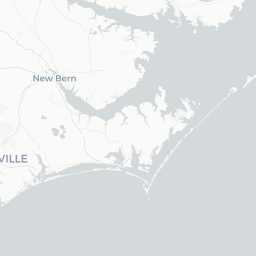
Wilmington sits at the mouth of the Cape Fear River in southeastern North Carolina, roughly 120 miles south of Raleigh. With a population of around 116,000, it is the state's eighth-largest city and a regional hub for the southern coastal plain. The city balances a well-preserved antebellum and Victorian core with a lively contemporary culture driven by the University of North Carolina Wilmington, a busy film production sector, and proximity to the Atlantic coast.
The historic downtown stretches along the riverfront, where a mile-long Riverwalk connects restaurants, bars, museums, and small boutiques. A short drive east leads to the beach communities of Wrightsville Beach, Carolina Beach, and Kure Beach — each with a distinct character. The Cape Fear region also holds significant Civil War and colonial-era history, giving visitors a layered experience beyond the typical beach town.
Wilmington has earned an informal nickname — "Hollywood East" — because EUE/Screen Gems Studios, one of the largest studio complexes outside California, has hosted productions from Dawson's Creek to Iron Man 3. That industry has drawn a creative community that shows up in the city's restaurants, galleries, and music venues.
Before You Go
Visas and Entry
Wilmington is a domestic US destination. International travelers should check TravelerPulse's Visas section and the official US Customs and Border Protection website for current entry requirements, as rules vary significantly by nationality.
Climate
Wilmington has a humid subtropical climate. Summers (June–August) are hot and humid, with temperatures frequently in the upper 80s–low 90s °F (around 30–34 °C) and afternoon thunderstorms. Winters are mild but can bring occasional freezing rain. Hurricane season runs June through November; late August and September carry the highest risk. Spring and fall offer the most comfortable conditions for sightseeing.
What to Pack
- Lightweight, breathable clothing for summer visits
- Rain gear and sun protection year-round
- Warm layers for evenings in winter and early spring
- Beach essentials if you plan to visit the barrier islands
Health
No specific vaccinations are required for travel within the United States. Standard US health infrastructure applies; confirm your travel insurance or health coverage before arriving, as US medical costs can be high for those without coverage.
Getting There
By Air
Wilmington International Airport (ILM) is the primary gateway, located just north of downtown. It offers direct service to several major US hubs including Charlotte, New York, Washington, and Atlanta; verify current routes and carriers on the airport's official website, as schedules change seasonally. For a wider choice of flights, Raleigh-Durham International (RDU), roughly a two-hour drive, and Charlotte Douglas International (CLT), about 2.5 hours away, are alternatives worth pricing.
By Car
Interstate 40 connects Wilmington to Raleigh and the broader US Interstate network. US-17 runs north toward Jacksonville, NC, and south toward Myrtle Beach, SC. Driving is by far the most practical way to arrive and move around the region. Parking downtown can be tight on weekends; the city operates several public parking decks — verify current locations and rates with the City of Wilmington.
By Bus
Greyhound and FlixBus serve Wilmington with connections to several regional cities. Verify current schedules and stop locations directly with the carriers before traveling.
By Train
Amtrak's Carolinian and Palmetto routes do not stop in Wilmington itself; the nearest Amtrak station is in Wilson, NC, roughly 90 miles north. Train travel is not a practical primary option for most visitors.
Getting Around
Wilmington is a car-oriented city and having a vehicle is strongly recommended, especially for reaching the beaches. That said, the downtown historic district is walkable once you are parked.
Wave Transit is the local public bus system, serving downtown and many residential areas. It does not offer frequent or direct service to the beach communities; verify current routes and schedules at wavetransit.com before relying on it.
Rideshare apps (Uber and Lyft) operate in Wilmington and are generally reliable for trips within the city and to the airport. Availability can thin out late at night in some areas.
Bicycles are increasingly practical downtown; the city has added bike lanes in several corridors. Rental options exist — verify locally for current providers. The Riverwalk is pedestrian-only and best explored on foot.
Where to Stay
Wilmington offers accommodation across a broad range of types and price points. The downtown historic district has several boutique hotels and bed-and-breakfasts housed in renovated historic buildings, which place guests within walking distance of the Riverwalk and main attractions. These tend to book up quickly on summer weekends and during special events like the Azalea Festival (typically held in April).
Chain hotels are clustered along major corridors including Market Street, near the airport, and in the Mayfaire area. These generally offer more predictable pricing and availability. The beach communities — Wrightsville Beach in particular — have their own accommodation options ranging from motels to vacation rentals, which are popular with visitors whose primary goal is beach access.
Vacation rental platforms list a wide range of houses and condos, especially on the barrier islands. Minimum stays often apply in peak summer weeks. Book well in advance for July and August, and verify cancellation policies given the hurricane season overlap.
Things to See & Do
Riverwalk and Downtown
The Riverwalk is the social heart of Wilmington, a paved promenade running along the Cape Fear River from roughly the USS North Carolina Battleship Memorial to the southern end of the historic blocks. It is lined with restaurants, a small amphitheater used for outdoor concerts, and views of the river traffic. Strolling this stretch at sunset is one of the city's most characteristic experiences.
USS North Carolina Battleship Memorial
Moored across the Cape Fear River in the city of Wilmington, the battleship North Carolina is a well-preserved WWII-era vessel open for self-guided tours. It is one of the most-decorated US battleships of the war. Admission is charged; check the official site at battleshipnc.com for current hours and fees before visiting.
Historic District Architecture
The Wilmington Historic District contains one of the largest concentrations of antebellum and Victorian architecture in the South. Self-guided walking tours and organized trolley tours cover landmarks including the Bellamy Mansion Museum and the Latimer House, both operated by local preservation groups. Verify tour schedules and admission costs directly with each site.
Beaches
- Wrightsville Beach (about 10 miles east): a barrier island known for clear water and a laid-back surf culture; popular with locals and families
- Carolina Beach (about 15 miles south): has a small boardwalk with amusements; more casual and affordable in character
- Kure Beach (just south of Carolina Beach): quieter, residential feel
Fort Fisher State Historic Site
At the southern tip of the peninsula below Kure Beach, Fort Fisher was the largest Confederate earthwork fortification and fell to Union forces in early 1865. The site includes a museum and preserved earthworks. Nearby, the NC Aquarium at Fort Fisher is a family-friendly attraction; verify hours and fees at ncaquariums.com.
Gardens and Nature
Airlie Gardens, a historic coastal garden property, features ancient live oaks draped in Spanish moss and seasonal floral displays. The Cameron Art Museum offers a manageable permanent collection focused on North Carolina artists alongside rotating exhibitions. Verify current hours and admission for both.
Food & Drink
Wilmington's dining scene punches above its size, reflecting the city's mix of beach culture, Southern tradition, and an influx of creative residents tied to the film and university communities.
Seafood
Fresh local seafood is the cornerstone of the regional table. Shrimp, oysters, flounder, and blue crab appear on menus throughout the city. Look for locally sourced ingredients at restaurants along the Riverwalk and in the South Front District. The North Carolina shrimping industry is based partly in this region, so wild-caught local shrimp is genuinely available — ask your server about sourcing.
Southern Staples
Lowcountry and coastal Carolina cooking traditions show up in dishes like shrimp and grits, fried green tomatoes, collards, and barbecue. Wilmington's barbecue leans toward the eastern North Carolina whole-hog style with a vinegar-based sauce, though other regional styles are also represented.
Craft Beer
Wilmington has developed a notable craft brewing scene. Several independent breweries operate within or near downtown, making a self-guided brewery walk feasible on foot. Variety ranges from IPAs and sours to lagers suited to warm-weather drinking.
Neighborhoods to Eat In
- Downtown/Riverwalk: widest concentration of restaurants; reservations advisable on weekends
- South Front District: slightly more neighborhood feel, mix of casual and upscale
- Wrightsville Beach: beachside seafood shacks and casual spots
Always verify hours locally or by calling ahead, as smaller restaurants adjust their schedules seasonally.
Shopping
Downtown Wilmington's main shopping corridor runs along Front Street and the adjacent blocks, with independent boutiques, antique dealers, bookshops, and art galleries predominating. The area rewards browsing on foot and has a character distinct from chain-dominated retail strips.
For larger retail needs, several shopping centers are located along Market Street and College Road north of downtown, where national chains and big-box stores are concentrated. The Mayfaire Town Center area offers an open-air lifestyle center format with a range of mid-market retailers.
Local artisan goods, maritime-themed items, and North Carolina-made food products make practical souvenirs. Several shops along the Riverwalk stock locally made items, though quality and authenticity vary — look for explicit labeling of origin.
Practical Information
Emergency Services
In any emergency in the United States, dial 911 for police, fire, or ambulance.
Time Zone
Eastern Time (ET). Clocks observe Daylight Saving Time, moving forward in March and back in November.
Tipping
Standard US tipping conventions apply: 18–20% at sit-down restaurants, $1–2 per drink at bars, and a few dollars per bag for hotel porters. Rideshare tipping can be done in-app.
Connectivity
Mobile coverage from major US carriers (Verizon, AT&T, T-Mobile) is generally strong throughout the city and at the beaches. Free Wi-Fi is available at the New Hanover County Public Library and at many cafés and restaurants downtown.
Money
ATMs are widely available. Cards (credit and debit) are accepted almost universally. Some smaller local businesses may prefer cash — it is worth carrying a small amount.
Useful Contacts
- Wilmington and Beaches CVB (official tourism): verify current URL at wilmingtoncvb.com
- New Hanover County: nhcgov.com
- Wave Transit: wavetransit.com
- Wilmington International Airport: flyilm.com
Safety
Wilmington is generally a safe city for travelers, particularly in the downtown historic district, the Riverwalk, and the beach communities. Standard urban precautions apply: be aware of your surroundings, secure valuables in your vehicle out of sight, and avoid poorly lit areas late at night.
As with most US cities, crime is unevenly distributed by neighborhood. The areas most frequented by visitors — downtown, Wrightsville Beach, the museum district — have a strong local and tourist presence and are considered low-risk. Consult recent local news or ask hotel staff if you are uncertain about a specific area.
Hurricane preparedness: If visiting between June and November, monitor the National Hurricane Center (nhc.noaa.gov) for tropical weather updates. Coastal North Carolina can receive mandatory evacuation orders with limited notice. Know your accommodation's hurricane policy and have a plan for departure if conditions deteriorate.
Local Culture & Etiquette
Wilmington has a strong sense of local identity rooted in its long history — it was one of the most important port cities in colonial North Carolina and played significant roles in both the American Revolution and the Civil War. The 1898 Wilmington Coup and Massacre, in which a democratically elected biracial government was violently overthrown, is an important and painful chapter in the city's history that is increasingly acknowledged in public interpretation; the 1898 Memorial Park downtown commemorates the victims.
The University of North Carolina Wilmington brings a younger demographic and supports a lively arts and music scene. The city hosts several annual events that draw regional visitors, including the North Carolina Azalea Festival (spring), Riverfest (fall), and a range of film and arts events tied to the Screen Gems studio presence.
Coastal Carolina's culture mixes Southern hospitality with a beach-casual atmosphere. Dress codes are relaxed outside of a handful of upscale restaurants. Sports loyalties run strongly toward UNC and NC State at the college level, and toward Carolina Panthers and Charlotte Hornets at the professional level, though no major pro teams are based locally.