Overview
Niagara Falls, New York sits on the eastern bank of the Niagara River, directly across from its Canadian counterpart, Niagara Falls, Ontario. The city of roughly 49,000 residents is defined almost entirely by the spectacle on its doorstep: three distinct waterfalls — American Falls, Bridal Veil Falls, and Horseshoe Falls — that collectively carry more water than any other waterfall on Earth by volume.
The US side of the falls is managed largely through Niagara Falls State Park, which opened in 1885 and is recognized as the oldest state park in the United States. The park stretches along Goat Island and the mainland, offering closer proximity to the American and Bridal Veil falls than visitors typically get on the Canadian side, though the panoramic view of Horseshoe Falls is generally considered superior from Ontario.
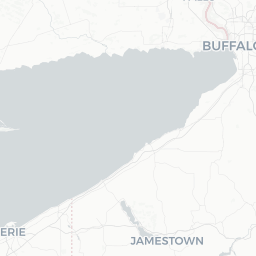
Beyond the falls themselves, the city has a complex industrial and cultural history tied to hydroelectric power generation that began in the late 19th century. It also serves as a gateway for visitors coming from Buffalo (about 25 miles south) and Toronto (roughly 80 miles north on the Canadian side). Understanding the city's dual-nation context is key to planning any visit: many travelers split their time between both sides of the border.
Before You Go
Visas and Border Crossing
Niagara Falls, NY sits immediately on the US–Canada border. Many visitors choose to cross into Ontario to see Horseshoe Falls from the Canadian vantage point. Border crossing requirements vary by nationality, passport type, and immigration status. Check TravelerPulse's Visas section and the official US Customs and Border Protection website (cbp.gov) as well as the Canadian Border Services Agency (cbsa-asfc.gc.ca) well before your trip. US citizens and permanent residents should carry a valid US passport or passport card when crossing; a driver's license alone is not sufficient for re-entry.
Seasonal Considerations
- Summer (June–August): Peak crowds, all attractions fully open, warmest weather. Book accommodation well in advance.
- Spring (April–May) and Fall (September–October): Fewer crowds, pleasant temperatures, foliage in fall is scenic. Some outdoor attractions may have reduced hours.
- Winter (November–March): Several attractions close or operate on limited schedules. The falls themselves remain dramatic and can partially freeze in deep winter, but check attraction availability carefully before visiting.
What to Pack
Expect to get wet near the falls — ponchos are distributed at Maid of the Mist and Cave of the Winds, but waterproof footwear is advisable. Layers are useful year-round given lake-effect weather patterns near Lake Ontario and Lake Erie.
Getting There
By Air
The nearest major airport is Buffalo Niagara International Airport (BUF), approximately 25 miles south of the falls. It serves domestic routes and select international flights. From BUF, travelers can reach Niagara Falls by rental car, taxi, or rideshare in roughly 30–40 minutes depending on traffic. Toronto Pearson International Airport (YYZ) in Canada is another option for international travelers, though border crossing adds time.
By Car
The city is accessible via I-190 North from Buffalo. Driving is the most flexible option for independent travelers, especially if planning to cross into Canada. Note that driving across the border requires a valid passport and can involve wait times at busy periods — verify bridge crossing conditions in advance.
By Train and Bus
Amtrak serves Niagara Falls, NY with a stop on its Empire Service route connecting New York City and Buffalo. Journey times from New York Penn Station are lengthy (verify current schedules on amtrak.com). Greyhound and other bus services also connect Niagara Falls to Buffalo and other regional cities. Verify current schedules and fares directly with providers before travel.
Getting Around
Niagara Falls State Park and the immediate waterfront area are walkable once you are there, and Goat Island is accessible on foot via bridges from the mainland. Most visitors arrive by car, which makes parking strategy worth considering during peak summer weekends — the state park operates parking areas, and availability can be limited at peak times.
Niagara Frontier Transportation Authority (NFTA) operates local bus service in the Niagara Falls area; verify current routes and schedules at nfta.com. A trolley service operates within Niagara Falls State Park during the main visitor season — confirm availability and stops at the park or niagarafallsstatepark.com before relying on it.
For those crossing into Canada, the Rainbow Bridge (pedestrian and vehicle) and Lewiston-Queenston Bridge are the main crossing points. Pedestrians can walk across the Rainbow Bridge. Rideshare services operate in the area but may not always be available for cross-border travel — verify with the provider.
Things to See & Do
Niagara Falls State Park
The park is the central draw. It encompasses Goat Island, Luna Island, and the Three Sisters Islands, all of which put visitors within close range of the American and Bridal Veil falls. Walking paths along the rim offer unobstructed views. Admission to the park itself is free; individual attractions inside charge separate fees — verify current pricing at the park's official site or on arrival.
Maid of the Mist
This iconic boat tour has operated in some form since 1846. Vessels depart from the base of the falls on the US side and travel into the mist of Horseshoe Falls. Seasonal operation (generally April–November); book in advance during summer. Ponchos are provided.
Cave of the Winds
An elevator descends to walkways at the base of Bridal Veil Falls, where visitors can stand on wooden decks in the spray. The experience is considerably wet and physically close to the falls. Seasonal operation — verify dates and current fees at the state park site.
Niagara Gorge Trail System
The gorge below the falls offers hiking trails ranging from easy walks to more strenuous scrambles along the river. The Devil's Hole State Park area, a short drive north, provides access to some of the more dramatic gorge terrain.
Niagara Falls Underground Railroad Heritage Center
Located near the falls, this museum documents Niagara Falls' significant role as a crossing point for freedom seekers on the Underground Railroad. It offers historical context that extends well beyond the natural scenery and is worth including in any multi-day visit. Verify current hours and admission at the official site.
Food & Drink
The dining scene in Niagara Falls, NY skews toward casual, family-friendly establishments serving American comfort food, pizza, and pub fare. The heaviest concentration of restaurants is along Niagara Street and in the vicinity of the state park. Quality and price vary considerably; tourist-adjacent areas tend toward higher prices and inconsistent quality, so walking a few blocks from the main visitor corridor often yields better value.
The Old Falls Street pedestrian zone has seen redevelopment efforts and hosts a mix of restaurants and bars. Craft beer has a presence in the broader Niagara region — verify which local establishments are currently operating, as the restaurant landscape in smaller US cities can change.
For a wider selection of dining, the Niagara Falls, Ontario side and nearby Lewiston, NY (about 7 miles north) are both worth considering. Lewiston has a compact, walkable village with a more established independent restaurant scene.
Practical Information
Emergency Services
In the United States, dial 911 for police, fire, or medical emergencies.
Currency and Payments
USD is used throughout Niagara Falls, NY. If crossing into Canada, Canadian dollars (CAD) are needed — or major credit cards are widely accepted there. Currency exchange is available at border crossings and some banks; compare rates before exchanging large amounts.
Cell Coverage and Wi-Fi
Major US carriers provide coverage throughout the city. Be aware that crossing into Canada can trigger international roaming charges — check your plan before crossing. Free Wi-Fi is available at some public areas and establishments; verify coverage with your carrier.
Accessibility
Niagara Falls State Park has made efforts to improve accessibility, including paved paths along portions of the falls viewing area and accessible parking. However, some natural terrain areas and older facilities have limitations. Check accessibility details directly with the park before visiting if this is a consideration.
Safety
The immediate state park and falls viewing area is heavily visited and generally safe during daylight hours. As with any mid-sized American city, some residential neighborhoods away from the tourist core have higher crime rates — exercise standard urban awareness and stick to well-traveled areas after dark.
The falls themselves present genuine physical hazards. Stay behind barriers and on designated paths at all times. The Niagara River current above the falls is deceptively powerful, and several fatalities occur each decade from people ignoring barriers. Never attempt to wade, swim, or approach the water outside designated areas.
Weather can change rapidly in the Great Lakes region. Lake-effect snow in winter can be sudden and severe. Check forecasts before outdoor excursions, particularly if hiking the gorge.