Translate

Overview
Manhattan is the most densely populated of New York City's five boroughs and its commercial and cultural heart. A 13-mile-long island bounded by the Hudson River to the west and the East River to the east, it contains some of the most recognized urban landmarks on earth: the Empire State Building, the Statue of Liberty ferry terminal, Times Square, Central Park, and the financial towers of Lower Manhattan.
The borough is organized into a patchwork of distinct neighborhoods — from the cobblestoned streets of the West Village and the gallery-lined blocks of Chelsea to the brownstones of Harlem and the towers of Midtown. Each area has its own character, dining scene, and pace, which means a week in Manhattan can feel like visiting several cities at once.
Manhattan functions as a global center for finance, media, fashion, and the arts. Alongside the tourist infrastructure, millions of residents live and commute here daily, so travelers will experience the city as a genuinely working metropolis rather than a purpose-built destination. That energy — the density, the noise, the perpetual motion — is itself part of what people come to see.
Before You Go
Visas and Entry
Entry requirements for the United States depend on your nationality, travel history, and purpose of visit. Check TravelerPulse's Visas section for a starting point, then verify current requirements with the U.S. Department of Homeland Security (dhs.gov) and the nearest U.S. embassy or consulate before booking. Citizens of Visa Waiver Program countries must also obtain ESTA authorization in advance.
Practical Preparation
- Travel insurance: Highly recommended. Medical care in New York City is world-class but expensive for uninsured visitors.
- Comfortable footwear: Manhattan rewards walking. Expect to cover several miles per day on pavement.
- Weather: Summers are hot and humid (frequently above 30 °C / 86 °F); winters can be cold with occasional snow. Spring and autumn are generally the most comfortable seasons.
- Tap water: Safe to drink throughout the city.
- Cell service and Wi-Fi: Extensive. Free Wi-Fi is available in many parks, public spaces, and most accommodations.
Getting There
By Air
Manhattan is served by three major airports. John F. Kennedy International Airport (JFK) in Queens handles the largest volume of international flights. Newark Liberty International Airport (EWR) in New Jersey is also a major international gateway and is often overlooked but well-connected. LaGuardia Airport (LGA) primarily serves domestic routes. Travel time to Midtown Manhattan varies by airport, time of day, and transport choice — verify current estimates and fares when booking.
Airport Connections
- JFK: The AirTrain connects to the Long Island Rail Road (LIRR) and the A/E subway lines. Taxis, ride-hail apps, and express bus services are also available.
- EWR: NJ Transit trains connect to Penn Station in Midtown. Taxis and ride-hail options are widely used.
- LGA: No direct rail link; express buses (including MTA Select Bus Service) and ride-hail are the primary options. A new connection project has been announced — verify its status before travel.
By Train
Amtrak serves Penn Station (Midtown) from cities across the northeastern corridor and beyond, including Boston, Philadelphia, Washington D.C., and Chicago. The LIRR and Metro-North commuter rail networks also terminate in Manhattan at Penn Station and Grand Central Terminal respectively.
By Bus
Long-distance bus operators including Greyhound, FlixBus, and several regional carriers serve Manhattan from cities across the eastern seaboard, often at lower fares than rail. Check current schedules and terminals directly with operators.
Getting Around
Subway
The New York City Subway is the primary way most visitors and residents move around Manhattan. It runs 24 hours a day, seven days a week — one of the few metro systems in the world to do so. The fare system uses the OMNY contactless payment system (tap with a card or phone) or the MetroCard. Verify current fares and service advisories on the MTA website (mta.info) before travel, as scheduled track work is frequent on weekends.
Buses
MTA buses cover routes the subway doesn't reach, particularly cross-town (east–west) journeys. They accept the same payment methods as the subway. Select Bus Service routes have off-board fare payment and dedicated lanes on some corridors.
Walking
Manhattan's grid layout makes walking highly practical, especially in Midtown and Lower Manhattan. Many visitors find that walking between closely spaced attractions is faster than waiting for transit. Pedestrian infrastructure is generally good.
Taxis and Ride-Hail
Yellow and green taxis operate throughout the borough and can be hailed on the street. Major ride-hail apps (Uber, Lyft, and others) are widely available. Surge pricing during peak hours and bad weather can make these significantly more expensive than transit.
Cycling
Citi Bike, the city's bike-share system, has extensive docking stations across Manhattan and is useful for medium-distance trips, particularly in areas with good protected bike lanes. Verify current membership and day-pass pricing on the Citi Bike website.
Where to Stay
Choosing a Neighborhood
Where you stay in Manhattan shapes your experience considerably. Midtown (roughly 34th–59th Streets) puts you close to Times Square, the major museums along Fifth Avenue, and transport hubs, but it is among the most expensive and busiest areas. Lower Manhattan and the Financial District suit visitors prioritizing the Statue of Liberty ferry, the 9/11 Memorial, and Wall Street, and it tends to be quieter in evenings. The Upper West and Upper East Sides offer a more residential feel with easy access to Central Park and the Museum Mile. Downtown neighborhoods — the West Village, SoHo, Nolita, and the Lower East Side — are popular with travelers who want walkable, character-rich streets and a dense dining and nightlife scene.
Accommodation Types
Manhattan has a full range of accommodation from budget hostels and no-frills chain hotels to internationally renowned luxury properties. Room rates are among the highest of any city in the United States; booking well in advance and being flexible with dates can make a meaningful difference. Short-term apartment rentals are available but subject to city regulations — verify the legal status of any listing before booking.
General Advice
- Hotel rooms in Manhattan are often smaller than equivalents at similar price points elsewhere.
- Many hotels charge a daily destination or amenity fee on top of the room rate; check total costs before confirming.
- Staying near a subway line rather than optimizing purely for location often saves time and money.
Things to See & Do
Iconic Landmarks
- Central Park: 843 acres of parkland in the middle of the island. The Ramble, Bethesda Terrace, the Great Lawn, and the Reservoir are among its most visited areas. Free to enter.
- The High Line: An elevated park built on a former rail freight line on the west side, running from the Meatpacking District to Hudson Yards. Free to access.
- Times Square: The neon-lit commercial intersection at Broadway and 7th Avenue. Best experienced briefly; can feel overwhelming for extended stays.
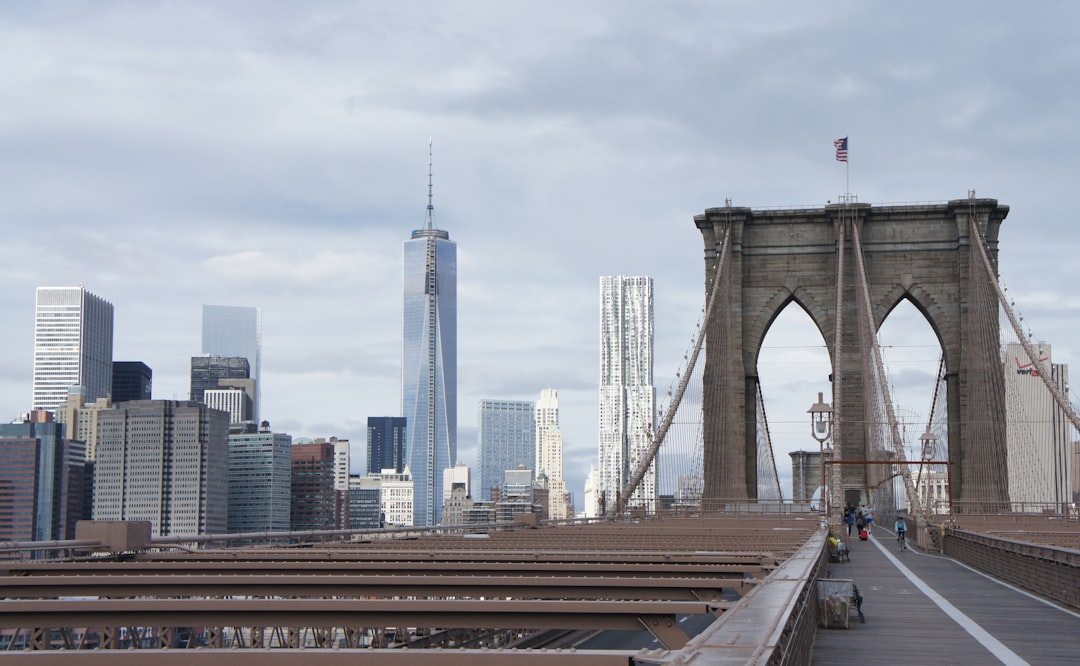
- Brooklyn Bridge: Walkable from both Manhattan and Brooklyn; the pedestrian path offers notable views of the skyline and East River.
- One World Observatory / Empire State Building: Both offer observation decks with panoramic views. Verify current admission fees and booking requirements directly.
Museums
- The Metropolitan Museum of Art (The Met): One of the largest art museums in the world, with encyclopedic collections spanning thousands of years and cultures.
- Museum of Modern Art (MoMA): Premier collection of modern and contemporary art.
- American Museum of Natural History: Large natural history institution with notable fossil halls and the Rose Center for Earth and Space.
- The Frick Collection: Intimate collection of Old Masters in a Gilded Age mansion (note: may be in a temporary location during renovation — verify before visiting).
- Whitney Museum of American Art: Focuses on 20th and 21st century American art; located at the southern end of the High Line in the Meatpacking District.
- The Guggenheim: Frank Lloyd Wright's spiraling building is itself as notable as its modern art collection.
Neighbourhoods Worth Exploring
- Harlem: Rich African American cultural heritage, gospel music history, notable architecture, and an evolving restaurant scene.
- Chinatown and Little Italy: Dense, street-level character in Lower Manhattan.
- The West Village: Among Manhattan's most walkable and architecturally intact neighborhoods.
- SoHo: Cast-iron architecture, galleries, and high-end retail.
Performing Arts
Broadway theatre is centered around the Theater District in Midtown. Lincoln Center for the Performing Arts on the Upper West Side hosts the Metropolitan Opera, New York Philharmonic, and New York City Ballet, among others. Carnegie Hall is nearby. Check official venue websites for current schedules and ticket availability.
Food & Drink
Manhattan's restaurant scene is genuinely one of the most diverse in the world, shaped by successive waves of immigration and sustained by a competitive, high-turnover market. Every major global cuisine is represented, and the city has strong local traditions — New York-style pizza, bagels, Jewish deli food, and the street-cart food of Midtown among them.
Practical Eating Tips
- Tipping: A gratuity of 18–25% is the norm at sit-down restaurants. Some establishments now add a service charge automatically — check your bill before adding more.
- Price range: Dining can range from a few dollars at a food cart to hundreds at a high-end tasting menu restaurant. Lunch menus at upscale spots often offer significantly better value than dinner.
- Reservations: Popular restaurants book up well in advance, especially on weekends. Use OpenTable, Resy, or restaurant websites directly.
- Dietary needs: Vegan, vegetarian, halal, and kosher options are widely available across price ranges.
Neighborhood Food Highlights
- Chinatown: Dense concentration of dim sum parlors, noodle shops, and seafood restaurants, generally at lower price points.
- Koreatown (32nd Street): Korean barbecue, late-night dining.
- Hell's Kitchen / Ninth Avenue: Long-established international restaurant corridor.
- The Lower East Side and East Village: Dense bar and restaurant scene; historically Jewish deli territory.
- Harlem: Soul food restaurants and a growing number of independent cafes and international spots.
The city's food hall scene has also grown significantly — venues like Chelsea Market offer a range of vendors under one roof.
Shopping
Manhattan offers shopping across every price point and category. Fifth Avenue from roughly 49th to 60th Streets is lined with flagship luxury and designer stores. SoHo blends established brands with independent boutiques. The Garment District near Penn Station has fabric and apparel wholesalers. Century 21 (verify current locations and operating status) and other discount retailers attract bargain hunters.
Flea markets and weekend markets — including the Hell's Kitchen Flea Market and Brooklyn Flea's occasional Manhattan outposts — offer vintage goods, antiques, and local crafts. Verify current locations and schedules as these change seasonally.
New York State sales tax applies to most purchases; clothing and footwear items under a threshold amount are often exempt — verify current rules, as exemptions can change. Non-U.S. residents cannot typically reclaim sales tax at the point of sale the way VAT is reclaimed in some other countries.
Practical Information
Money
Credit and debit cards are accepted almost universally. Contactless payment is widespread. ATMs are plentiful but fees vary by machine and bank. Some cash is useful for tipping, food carts, and smaller vendors.
Tipping Culture
Tipping is a standard part of the service economy in New York. Expected norms: restaurants 18–25%, taxi and ride-hail drivers typically 15–20%, hotel housekeeping at your discretion (a few dollars per night is common), coat checks and other services usually have posted minimums.
Emergency Services
- Emergency (police, fire, ambulance): 911
- Non-emergency police: 311 (also used for general city service inquiries)
Electricity
Standard U.S. voltage is 120V / 60Hz. Outlets use Type A and Type B plugs. Visitors from most of Europe, Asia, Africa, and Australia will need both an adapter and potentially a voltage converter for some devices.
Connectivity
Free Wi-Fi is available throughout the subway system (at stations; not always in tunnels), in parks via LinkNYC kiosks, and in most hotels and cafes. U.S. SIM cards and eSIMs for prepaid data plans are widely available.
Safety
Manhattan is a large, densely populated city and, like any major urban area, requires ordinary urban awareness. Petty theft, pickpocketing, and phone snatching occur, particularly in crowded areas like Times Square, subway platforms, and tourist-heavy streets. Keep bags closed and in front of you in crowds, and be aware of your surroundings when using your phone in public.
The subway is generally safe for travel at all hours, though incidents do occur, particularly late at night on quieter platforms and in less-trafficked stations. Trust your instincts about your surroundings. Platform edges have no physical barriers — stay well back.
Most neighborhoods that travelers visit regularly are considerably safer than their reputations from earlier decades. However, conditions vary by block and time of day, and it is worth researching your specific accommodation area. The NYPD's CompStat data and resources like the city's open data portal can give a current picture of crime patterns by precinct.
For medical emergencies, Manhattan has major hospital systems including NYC Health + Hospitals/Bellevue, NYU Langone, NewYork-Presbyterian, and Mount Sinai. Medical care is high quality; uninsured treatment is very expensive, reinforcing the case for travel insurance.
Local Culture & Etiquette
New York City has no single dominant culture; it is the product of continuous immigration and is one of the most ethnically diverse cities in the world. Harlem has deep significance in African American cultural history; the Lower East Side was a gateway neighborhood for Jewish, Italian, and other European immigrants in the late 19th and early 20th centuries; Chinatown and Koreatown reflect the city's large Asian communities. This layering is visible in the food, architecture, religious institutions, and street life.
New Yorkers have a reputation for directness and a fast pace. Service staff are generally efficient and professional; extended small talk is not always the norm. Queuing is observed. Noise levels in the city — construction, traffic, subway announcements — are high compared to many places, and locals have adapted accordingly.
The arts scene is world-caliber and operates at every level: free Shakespeare in Central Park (Shakespeare in the Park, produced by the Public Theater) sits alongside Broadway's commercial productions and thousands of independent performers in small venues across the boroughs. Gallery openings in Chelsea, free museum evenings, and outdoor summer concerts mean there are no-cost cultural options available most of the year — check venue websites and NYC's official events calendars for current programming.