Overview
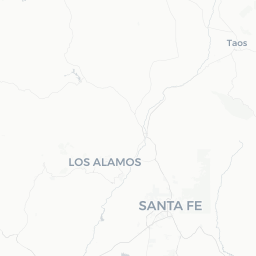
Santa Fe sits at roughly 7,000 feet (2,134 m) elevation in northern New Mexico, making it the highest state capital in the United States. Founded around 1610 by Spanish colonists, it predates the Pilgrims' arrival at Plymouth Rock and has been continuously inhabited even longer by Pueblo peoples. That layered history—Pueblo, Spanish colonial, Mexican, and American—shapes everything from the architecture to the food to the festivals.
The city is compact enough to walk most of its historic core, yet rich enough in museums, galleries, and dining to fill a week without repetition. Canyon Road alone holds dozens of galleries in a half-mile stretch, and the Georgia O'Keeffe Museum, the New Mexico History Museum, and the Museum of International Folk Art are all within easy reach of the central Plaza.
Santa Fe's identity is genuinely multicultural rather than performatively so. The Palace of the Governors on the Plaza—the oldest continuously used public building in the United States—hosts daily vendors from New Mexico's Pueblos selling handmade jewelry and pottery under its portal, a program that has operated for decades under agreements with the Museum of New Mexico. Visitors should approach this and similar cultural spaces with curiosity and respect.
Before You Go
Visas and Entry
Santa Fe is in the United States. Entry requirements vary significantly by nationality. Check TravelerPulse's Visas section and the official US Customs and Border Protection website (cbp.gov) for the most current information before booking.
Altitude Awareness
At approximately 7,000 feet, Santa Fe is high enough to cause altitude-related symptoms—headache, fatigue, shortness of breath—especially in the first day or two. Drink extra water, limit alcohol initially, and take it easy on arrival. Travelers with certain cardiovascular or respiratory conditions should consult a doctor before visiting.
Climate
Santa Fe is sunny the vast majority of the year. Summers are warm (daytime highs typically in the upper 80s°F / low 30s°C) with afternoon monsoon thunderstorms arriving most days from mid-July through August. Spring and fall are mild and generally the most comfortable seasons for walking. Winters can bring snow and overnight temperatures well below freezing, but clear, cold days are common and the city is far less crowded.
What to Pack
- Sunscreen and sunglasses—UV exposure is intense at elevation
- A light jacket or fleece even in summer; evenings cool sharply
- Comfortable walking shoes for uneven adobe and stone sidewalks
- Cash for the Palace of the Governors portal vendors (many prefer or require it)
Getting There
By Air
Santa Fe Regional Airport (SAF) receives limited commercial service; verify current routes and airlines directly with the airport or booking platforms, as service changes seasonally. Most travelers fly into Albuquerque International Sunport (ABQ), roughly 60 miles (97 km) south, which has far broader national and international connections. From ABQ, the New Mexico Rail Runner Express commuter train runs to downtown Santa Fe's Railyard district on weekdays and select weekends—verify the current schedule at nmrailrunner.com. Shuttle services and car rentals are also available at ABQ.
By Car
Santa Fe is accessible via I-25 from Albuquerque (about one hour) and from Colorado to the north. US-285 connects the city to Taos and points northeast. Having a car is useful for day trips but is not essential within the city itself.
By Bus
Greyhound and other intercity bus services connect Albuquerque to Santa Fe. Verify current routes and schedules on operator websites before travel.
Getting Around
On Foot
The historic downtown core—the Plaza, Museum Hill, and Canyon Road—is walkable, though the terrain is hilly and sidewalks can be uneven. Most visitors comfortably walk between major attractions in the center.
City Bus (Santa Fe Trails)
The city operates the Santa Fe Trails bus system with routes covering most neighborhoods. Fares are low; verify current routes and fares at santafenm.gov or locally.
Ride-Share and Taxis
Ride-share services operate in Santa Fe. Availability can be limited compared to larger cities, particularly late at night.
By Car
Parking near the Plaza can be tight in peak season. Several public parking structures and lots are within walking distance of the center. A car is genuinely useful for visiting Meow Wolf, Museum Hill, or for day trips to Taos, Bandelier, or the Jemez Mountains.
Things to See & Do
History and Culture
- Palace of the Governors (New Mexico History Museum): The oldest continuously used public building in the US, dating to around 1610. The museum inside covers New Mexico's layered history. The portal out front hosts Native American artisans—a meaningful cultural exchange worth taking time for.
- Georgia O'Keeffe Museum: Dedicated to the artist most associated with New Mexico's landscape and light. The permanent collection is substantial; check the official site (okeeffemuseum.org) for current hours and admission.
- Museum of International Folk Art: One of the largest folk art collections in the world, housed on Museum Hill alongside the Museum of Indian Arts and Culture and the Wheelwright Museum of the American Indian.
- San Miguel Mission: Generally considered one of the oldest church structures in the US, dating to the early 17th century. Verify current visiting access locally.
Art and Galleries
- Canyon Road: A half-mile stretch with more than 80 galleries and studios, ranging from traditional Southwestern work to contemporary fine art. Walking the road on a Friday evening, when many galleries hold openings, is a local tradition.
- Meow Wolf's House of Eternal Return: An immersive, large-scale art installation created by the Santa Fe-based collective. Genuinely unlike most art experiences. Tickets should be purchased in advance at meowwolf.com; this venue books up, especially on weekends.
- SITE Santa Fe: A contemporary art space near the Railyard hosting rotating international exhibitions.
Outdoor Activities
- Santa Fe National Forest: Immediately east of the city, offering hiking trails ranging from easy walks to strenuous mountain routes. The Atalaya Mountain Trail and Dale Ball Trails are accessible from town.
- Ski Santa Fe: Located about 16 miles (26 km) from the Plaza in the Sangre de Cristo Mountains, typically open from late November through early April depending on snowfall. Verify conditions and hours at skisantafe.com.
- Santa Fe Railyard Park: A public park in the redeveloped railyard district, good for a walk and adjacent to the Santa Fe Farmers Market (held on weekends and some weekdays—verify current schedule).
Food & Drink
New Mexican cuisine is a distinct regional tradition, not to be confused with Mexican or Tex-Mex food. Its signature element is the New Mexico chile pepper—either red (dried and often made into a sauce) or green (fresh-roasted, especially the famous Hatch variety). When ordering at local restaurants, you'll often be asked "red or green?"—or you can answer "Christmas" for both. This chile appears on eggs, enchiladas, burritos, stews, and even cheeseburgers.
What to Eat
- Breakfast burritos: A morning staple, typically smothered in red or green chile
- Enchiladas (New Mexico style): Often served flat, stacked, with a fried egg on top
- Posole: A hominy stew, particularly common in winter and at traditional celebrations
- Sopaipillas: Fried dough pillows served with honey, accompanying many New Mexican meals
- Tamales: Widely available, especially around the holidays
Dining Areas
The Plaza area has the highest concentration of restaurants, ranging from casual to upscale. The Railyard and Guadalupe Street neighborhoods offer a mix of local spots. Prices in Santa Fe skew higher than many small cities of its size due to the tourism economy; budget accordingly.
Drinking
New Mexico has a growing craft brewery and distillery scene. Several breweries operate in Santa Fe. Local wines from the Rio Grande valley are also found on many menus. The city has a range of bars, from hotel lounges to dive bars; the latter tend to cluster away from the immediate Plaza area.
Shopping
Shopping is a significant part of many Santa Fe visits, and the range is wide—from mass-produced tourist goods to museum-quality Indigenous art and high-end contemporary work.
Authentic Indigenous Art
Purchasing directly from Native American artisans at the Palace of the Governors portal is one of the most reliable ways to buy authentic, handmade work while ensuring the maker receives direct compensation. The program vets vendors; all sellers must be enrolled members of a New Mexico Pueblo, tribe, or nation and must make the work themselves. On Canyon Road and in galleries around town, ask about the artist's background and whether the piece is handmade—reputable dealers will answer clearly.
Other Notable Shopping
- Canyon Road galleries: Fine art, sculpture, and jewelry across a wide price range
- Guadalupe Street and the Railyard: Independent boutiques, vintage shops, and the farmers market
- Downtown Plaza area: Mix of galleries, jewelry stores, and souvenir shops
- Buffalo Exchange and consignment shops: For those interested in secondhand clothing and goods
Be cautious of "Indian-made" labels on items sold in gift shops that are not directly affiliated with Indigenous artisans—the Indian Arts and Crafts Act prohibits misrepresentation, but enforcement is imperfect.
Practical Information
Emergency Services
In any emergency in the United States, dial 911. This connects to police, fire, and ambulance services.
Health
Santa Fe has hospital facilities; verify the nearest emergency room location on arrival. Travel health insurance is strongly recommended for international visitors, as US medical costs without insurance are very high.
Tipping
Tipping is standard and expected in Santa Fe as throughout the US. Restaurant servers typically expect 18–20% of the pre-tax bill. Tip hotel housekeeping, taxi and ride-share drivers, and tour guides at your discretion; 15–20% is a reasonable baseline.
Connectivity
Wi-Fi is widely available in hotels, cafes, and many restaurants. Cell coverage from major US carriers is generally good in the city center but can be limited in the surrounding mountains and rural areas.
Accessibility
The historic center's uneven adobe sidewalks and hilly terrain can pose challenges for visitors with mobility limitations. Many museums and major attractions have accessibility accommodations; verify specifics with individual venues before visiting.
Safety
Santa Fe is generally a safe destination for travelers. The historic downtown and tourist-frequented areas see significant foot traffic and are well-patrolled. Standard urban precautions apply: be aware of your surroundings, keep valuables secure, and avoid leaving items visible in parked vehicles.
As with many cities in the American West, property crime including vehicle break-ins occurs. Rental cars with visible luggage or gear are common targets in parking areas near trailheads and attractions. Leave nothing of value in your car.
Night temperatures drop sharply year-round; if you're hiking or spending time outdoors after dark, bring appropriate layers. Altitude-related health issues (see Before You Go) are the most common non-crime concern for first-time visitors. Afternoon monsoon storms in summer can bring lightning, flash flooding in arroyos, and rapid drops in temperature—move off exposed ridges and away from dry creek beds if storms approach.
Local Culture & Etiquette
Santa Fe's cultural life is shaped by three interwoven traditions: Indigenous Pueblo culture, Hispanic and Spanish colonial heritage, and Anglo-American influence arriving in the 19th and 20th centuries. None of these is merely historical—all three remain living, active parts of the city's present.
Festivals and Events
- Santa Fe Indian Market (typically August): One of the largest and most prestigious Indigenous art markets in the world, hosted by the Southwestern Association for Indian Arts (SWAIA). Held on the Plaza, it draws artists from over 200 tribes and nations.
- Fiestas de Santa Fe (typically September): One of the oldest community celebrations in the US, marking the 1692 Spanish resettlement of Santa Fe. It includes both solemn religious processions and public festivities. Visitors should understand this event carries complex historical significance for different communities.
- Spanish Market (typically July): Traditional Hispanic arts market on the Plaza.
- Santa Fe Opera (June–August): Internationally regarded opera company performing in an open-air venue in the hills north of the city. Tickets sell out well in advance; see santafeopera.org.
Cultural Etiquette
Many nearby Pueblos occasionally open certain dances or feast days to visitors, but these are religious and community events, not performances. Photography and recording are generally prohibited. Follow posted rules, listen to hosts, and do not wander into restricted areas. Call ahead to confirm whether a Pueblo is open on a given day.