Translate


Overview
Albuquerque is New Mexico's largest city, sitting at roughly 5,300 feet above sea level in the Rio Grande valley, flanked to the east by the Sandia Mountains and bordered by high desert mesas to the west. Founded in 1706 as a Spanish colonial villa, it has grown into a culturally layered city where Indigenous, Hispanic, and Anglo histories are all visibly present in architecture, food, and community life.
The city is best known internationally for the Albuquerque International Balloon Fiesta, held each October, which draws hundreds of hot-air balloons and large crowds from around the world. Outside of that week, Albuquerque offers a genuine, lived-in character that many visitors find refreshing compared to more tourist-polished destinations.
The urban core spreads across a wide grid, so having a car or rideshare access makes moving between neighborhoods significantly easier. Key areas include Old Town, the Nob Hill district along Central Avenue (Historic Route 66), Downtown, and the North Valley. The Sandia Mountains are a short drive east and offer hiking, skiing in winter, and dramatic sunset views from the city below.
Before You Go
Visas and Entry
Albuquerque is in the United States. Entry requirements depend on your nationality and travel history. Check TravelerPulse's Visas section and the official U.S. Customs and Border Protection website for current requirements before booking.
Climate
Albuquerque has a semi-arid, high-desert climate with over 300 sunny days per year. Summers (June–August) are warm to hot, with afternoon monsoon thunderstorms common from July through September. Winters are mild by mountain-city standards but can bring cold nights and occasional snow. The high elevation means UV exposure is stronger than visitors may expect year-round — sunscreen is advisable regardless of season.
Altitude
At approximately 5,300 feet, some visitors experience mild altitude-related fatigue, headaches, or dehydration in the first day or two. Drink extra water, limit alcohol initially, and allow yourself time to acclimatize, especially if arriving from sea level.
What to Pack
- Layers: temperatures can swing 30°F or more between day and night
- Sunscreen and sunglasses regardless of season
- Comfortable walking shoes if planning Old Town or hiking
- Rain layer for summer afternoons (monsoon season)
Getting There
By Air
Albuquerque International Sunport (ABQ) is the state's largest commercial airport, located just south of Downtown. It is served by major U.S. carriers with nonstop service from many domestic hubs. International travelers typically connect through Dallas, Denver, Los Angeles, Phoenix, or other gateway cities. Verify current routes and schedules directly with airlines.
By Road
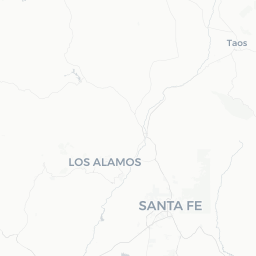
Albuquerque sits at the intersection of Interstate 25 (running north–south through New Mexico) and Interstate 40 (the successor to Historic Route 66, running east–west). It is approximately 65 miles south of Santa Fe and roughly 450 miles north of El Paso. Driving is a practical option for visitors traveling within the Southwest region.
By Rail
Amtrak's Southwest Chief route stops at Albuquerque's Downtown Amtrak station, connecting the city to Los Angeles to the west and Chicago to the east. Schedules run limited days per week; confirm current timetables on the Amtrak website.
By Bus
Greyhound and several regional bus services connect Albuquerque to other New Mexico cities and neighboring states. The bus depot is located near Downtown.
Getting Around
Car
Albuquerque is a sprawling, car-oriented city. Renting a car or using rideshare apps (Uber and Lyft both operate here) is the most practical way to reach most attractions, neighborhoods, and the Sandia Mountains. Parking is generally available and affordable compared to major coastal cities.
ABQ Ride (Public Transit)
The city operates a bus network called ABQ Ride, including the Albuquerque Rapid Transit (ART) line that runs along Central Avenue/Route 66 from east to west. The bus system is functional for some trips but infrequent in outer areas. Verify current routes, schedules, and fares on the ABQ Ride website or locally.
Cycling
Albuquerque has an expanding network of bike paths, including a popular trail along the Rio Grande Bosque (riverine forest). The terrain is mostly flat in the valley, making cycling viable in moderate temperatures. Bike rentals are available through local shops; verify current availability locally.
Walking
Old Town and the Nob Hill stretch of Central Avenue are the most walkable areas. Between neighborhoods, distances are generally too large for comfortable walking.
Things to See & Do
Historic Old Town
Albuquerque's original 1706 settlement is preserved as Old Town, a compact plaza district with the San Felipe de Neri Church (founded 1706, though the current structure is later), adobe buildings, small museums, and artisan shops. It is a genuine historic site rather than a recreation and is worth at least a half-day.
Albuquerque International Balloon Fiesta
Held annually in early October at Balloon Fiesta Park, this is one of the world's largest hot-air balloon events. Attendance is extremely high during Fiesta week; book accommodation many months in advance if planning to attend. The park is north of Downtown; check the official Balloon Fiesta website for current event dates and ticketing.
Sandia Mountains and Tramway
The Sandia Peak Aerial Tramway climbs from the northeast edge of the city to the crest of Sandia Peak (approximately 10,378 feet). Views from the top span a large portion of New Mexico on clear days. Ski Sandia operates on the mountain in winter. Verify current tram operating hours and fares directly with the operator before visiting.
Indian Pueblo Cultural Center
Operated by the 19 Pueblos of New Mexico, this museum and cultural center provides context on Pueblo peoples' history, art, and ongoing culture. It includes exhibits, a restaurant serving traditional New Mexican and Pueblo-influenced food, and rotating demonstrations. Located near Old Town.
Petroglyph National Monument
On the West Mesa at the city's edge, this national monument protects a volcanic escarpment containing thousands of petroglyphs carved by ancestral Pueblo peoples and early Spanish settlers. Multiple short hiking trails access different sections. Managed by the National Park Service; verify current hours and any entry requirements on the NPS website.
ABQ BioPark
The city's BioPark system encompasses an aquarium, botanic garden, and zoo clustered along the Rio Grande, as well as a separate facility (Tingley Beach) with fishing ponds. It is a well-regarded local attraction suitable for families. Verify current admission fees and hours on the official ABQ BioPark website.
Nob Hill and Route 66
Central Avenue through the Nob Hill neighborhood retains Route 66 character with mid-century neon signs, independent restaurants, bars, and shops. It is a good area for an evening walk, dinner, or browsing.
Food & Drink
New Mexican Cuisine
Albuquerque is one of the best cities in the country to eat New Mexican food, a distinct regional cuisine that differs from Tex-Mex and from Mexican food found elsewhere. Key elements include red and green chile sauces (roasted Hatch green chile is particularly important), posole, enchiladas, sopapillas, and blue corn. When ordering, you will often be asked "red or green?" — referring to chile sauce choice. "Christmas" means both.
Where to Eat
The city has a wide range of options from casual New Mexican diners to more contemporary restaurants. Old Town, Nob Hill, and the Downtown/EDo (East Downtown) areas have concentrations of restaurants. The Indian Pueblo Cultural Center's restaurant is worth visiting for Pueblo-influenced dishes. Local food trucks are also a significant part of the dining scene.
Craft Beer
Albuquerque has a well-developed craft brewery scene with numerous taprooms distributed across the city. Several breweries cluster in the Nob Hill and Downtown areas. As with all specific businesses, verify current operating hours locally.
Green Chile Season
If visiting in late August through September, roasters set up at grocery stores and roadside stands across the city roasting fresh Hatch green chiles — a seasonal event locals take seriously. Many visitors buy roasted chiles to take home.
Shopping
Native American and Southwestern Art
Albuquerque has a significant market for authentic Native American jewelry, pottery, weaving, and other artwork. Old Town has numerous galleries and shops; the Indian Pueblo Cultural Center also has a shop selling work by Pueblo artists. When purchasing items described as Native American-made, look for sellers who can explain the artist and pueblo of origin, as the Indian Arts and Crafts Act prohibits misrepresentation of such goods.
Old Town Shops
Beyond art galleries, Old Town has shops selling locally made goods, turquoise jewelry, clothing, and New Mexico food products such as dried chiles and chile sauces. Quality and authenticity vary; browsing multiple shops before purchasing is advisable.
Nob Hill
The Nob Hill neighborhood on Central Avenue has independent boutiques, vintage shops, and specialty stores interspersed with cafes and restaurants. It is a better area for finding locally owned businesses than large malls.
General Retail
Albuquerque has standard American shopping malls and big-box retail for everyday needs. Cottonwood Mall on the West Side and Coronado Center in the northeast are the largest mall options.
Practical Information
Emergency Services
In the United States, dial 911 for police, fire, or medical emergencies from any phone.
Tipping
Tipping is standard practice in the U.S. At sit-down restaurants, 18–20% of the pre-tax bill is customary. Tip hotel housekeeping, taxi/rideshare drivers, and other service workers according to standard U.S. practice.
Health
No vaccinations are specifically required for travel within the U.S. Hantavirus is a rare but genuine concern in the Southwest; avoid handling or disturbing rodent nests or droppings in rural or desert areas. Plague (Yersinia pestis) is also present in New Mexico's wild rodent population — do not handle dead rodents or allow pets to roam unsupervised in wild areas. Both risks are low for typical urban visitors.
Connectivity
Cell coverage from major U.S. carriers is good throughout most of the city. Free Wi-Fi is available at many cafes, hotels, and the Albuquerque International Sunport.
Money
ATMs are widely available. Credit and debit cards are accepted almost universally. Smaller vendors at markets or food trucks may prefer cash; carry a small amount.
Cannabis
New Mexico has legalized recreational cannabis for adults 21 and over. Consumption is restricted to private property; public consumption is not permitted. Federal law still prohibits cannabis; do not transport it across state lines or into federal lands.
Safety
Albuquerque has a higher property crime rate than the U.S. national average, and visitors should take standard precautions: do not leave valuables visible in parked cars, be aware of your surroundings in unfamiliar areas, and secure your belongings in crowded public spaces such as the Balloon Fiesta.
The areas most frequented by tourists — Old Town, Nob Hill, the Balloon Fiesta Park, the BioPark, and the Sandia Tramway — are generally considered safe for typical daytime and evening activity. As in any city, some blocks of Central Avenue and parts of Downtown see higher levels of street-level activity after dark; staying aware of your immediate environment is advisable.
When hiking in the Sandia Mountains or visiting Petroglyph National Monument, carry sufficient water, wear sun protection, and let someone know your plans. Heat and sun exposure are underestimated risks, even on mild days at elevation. Cell coverage in mountain areas can be limited.
For current local safety conditions or advisories, consult the Albuquerque Police Department's public communications or ask at your accommodation.
Local Culture & Etiquette
Albuquerque's cultural identity is shaped by the long coexistence — not always harmonious — of Pueblo peoples, Spanish colonial settlers, later Mexican and Anglo-American communities, and ongoing immigration. This history is visible in place names, architecture, food, religious practice, and public art across the city.
The 19 Pueblos of New Mexico maintain sovereign nations surrounding Albuquerque, and Pueblo people are a significant part of the city's population and cultural life. When visiting Pueblo communities outside the city, observe posted rules regarding photography and access — these vary by pueblo and are enforced. Ask before photographing people or ceremonies.
New Mexico has the highest percentage of Hispanic residents of any U.S. state, and Albuquerque reflects this through its food, architecture, festivals, and everyday life. New Mexican Spanish has its own regional character distinct from contemporary Mexican Spanish.
The city observes major U.S. federal holidays. Some events and businesses may have reduced hours around the Balloon Fiesta week in October due to the scale of the event and associated tourism pressure on local infrastructure.