Translate

Overview
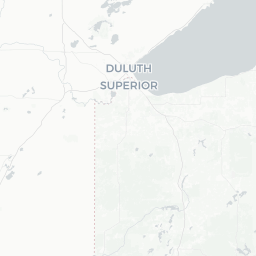
Duluth sits at the westernmost tip of Lake Superior, the largest freshwater lake by surface area in the world, straddling the Minnesota shoreline at an elevation that gives the city a dramatically hilly topography uncommon for the Upper Midwest. With a population of around 86,000, it is a mid-sized city that punches above its weight in terms of natural scenery, outdoor recreation, and industrial history.
The city rose to prominence in the late 19th and early 20th centuries as a major port for iron ore from the Iron Range and grain from the Great Plains. That maritime and industrial legacy is still visible in the working harbor, the historic buildings along Superior Street, and the landmark Aerial Lift Bridge — one of the most photographed structures in Minnesota — which rises to allow large ore and cargo vessels to pass through the Duluth Ship Canal.
Duluth has a genuine four-season character. Summers are mild and draw visitors for hiking, cycling, paddling, and waterfront festivals. Autumns are spectacular along the North Shore corridor. Winters are long and cold but attract snowshoers, cross-country skiers, and ice fishers. The city has invested steadily in its waterfront and trail infrastructure, making it an increasingly popular destination for outdoor enthusiasts and those seeking an alternative to more crowded Great Lakes ports.
Before You Go
Visas and Entry
Duluth is in the United States. Entry requirements vary significantly by nationality. Check TravelerPulse's Visas section for general guidance and consult the U.S. Customs and Border Protection website or your nearest U.S. embassy for requirements specific to your passport.
Weather and Packing
Duluth's climate is noticeably cooler than most of Minnesota because of Lake Superior's moderating — and in summer, chilling — effect. Even in July, evenings near the lake can be cool enough for a light jacket. Fog is common in spring and early summer. Winters are genuinely cold, with average January highs below freezing and significant snowfall; dress in proper insulating layers if visiting between November and March.
Health and Insurance
Travel health insurance is strongly recommended for all international visitors to the United States, where out-of-pocket medical costs can be very high. Ensure your policy covers emergency care. No specific vaccinations are required for domestic travel to Duluth, but verify any requirements relevant to your home country before departure.
Connectivity
All major U.S. mobile carriers provide coverage throughout Duluth. Free public Wi-Fi is available at the Duluth Public Library and many cafés and hotels. International visitors should confirm roaming plans or purchase a local SIM before arrival.
Getting There
By Air
Duluth International Airport (DLH) offers regional flights connecting to Minneapolis-Saint Paul International Airport (MSP) and a small number of other hubs. Most travelers arriving from outside the region connect through MSP, which has extensive domestic and international service. The drive from Minneapolis to Duluth is roughly 150 miles (about 2.5 hours) via Interstate 35, making a road trip a popular and practical alternative to flying.
By Car
Interstate 35 terminates in Duluth after running north from the Twin Cities. US Highway 61 — the scenic North Shore route — connects Duluth northeast toward the Boundary Waters and Canada. Driving is the most flexible way to explore Duluth and the surrounding region, and a car is highly recommended if you plan to visit state parks or the Iron Range.
By Bus
Greyhound and Jefferson Lines operate intercity bus service between Duluth and Minneapolis, with stops at the Duluth Transit Center. Journey times and schedules vary; verify current timetables directly with the carrier before booking.
By Train
There is no current Amtrak service to Duluth. The nearest Amtrak station is in Minneapolis, from which you would need to continue by car or bus.
Getting Around
Local Transit
The Duluth Transit Authority (DTA) operates fixed-route bus service throughout the city. Routes connect the downtown waterfront, the university area, and residential neighborhoods. Schedules and fare information are available on the DTA's official website; verify current fares and routes locally.
By Car
A personal vehicle gives the most flexibility for exploring Canal Park, the hillside neighborhoods, Hawk Ridge, and destinations along the North Shore. Street parking and paid surface lots are available downtown; Canal Park can get congested on summer weekends and during festivals.
Cycling and Walking
The Lakewalk, a paved multi-use path running along the Lake Superior shoreline, is excellent for walking and cycling and connects Canal Park to the Rose Garden and beyond. The city's hillside terrain can be steep away from the waterfront. Several bike rental options exist in the Canal Park area — verify availability locally.
Things to See & Do
Canal Park and the Aerial Lift Bridge
The Canal Park neighborhood is Duluth's primary visitor hub. The Duluth Ship Canal cuts through here, and the Aerial Lift Bridge rises on signal to allow vessels into the harbor. Watching a large ore boat or ocean-going "salty" pass beneath the bridge is a genuine spectacle. The Lake Superior Maritime Visitor Center, operated by the U.S. Army Corps of Engineers, documents the maritime history of the Great Lakes and is free to enter — verify current hours on the official site.
The Lakewalk and Waterfront
The Lakewalk stretches several miles along the shoreline and offers views of the lake, the lift bridge, and the working harbor. It is accessible year-round and connects several parks and attractions. Leif Erikson Park and the Rose Garden are pleasant stops along the route.
Glensheen Historic Estate
Glensheen is a 39-room Jacobean Revival mansion on the Lake Superior shoreline, completed in 1908 for the Congdon family. It is now operated by the University of Minnesota Duluth and is open for tours. The grounds and interior are well preserved and offer insight into the lifestyle of a prominent early 20th-century Minnesota family. Verify current tour availability and admission fees on the Glensheen official website.
Hawk Ridge Bird Observatory
Every autumn, Hawk Ridge on Duluth's eastern hillside becomes one of the premier hawk-watching locations in North America, as raptors funnel along the Lake Superior shoreline during their southward migration. Peak viewing is typically mid-September through October. Admission is generally free; a small donation is appreciated. Verify current programs with the observatory.
Enger Park and Tower
Enger Park, on the hillside above downtown, contains an observation tower offering panoramic views of Lake Superior, the harbor, and the city. A Japanese Peace Bell, a gift from Duluth's sister city Ohara-Isumi, Japan, stands on the grounds. The park is open year-round.
State Parks Nearby
Jay Cooke State Park, about 15 miles southwest of downtown, features the swinging bridge over the St. Louis River and extensive hiking trails through gorges and forest. Along the North Shore, Gooseberry Falls State Park and Split Rock Lighthouse State Park are within an hour's drive and are consistently ranked among Minnesota's most scenic destinations.
Food & Drink
General Dining Scene
Duluth has a dining scene that reflects its maritime setting, Scandinavian-influenced heritage, and growing craft food and beverage culture. Canal Park contains a concentration of restaurants and bars, and the downtown area along Superior Street has a broader mix of local and regional options.
What to Eat
- Walleye and Lake fish: Walleye pike is the regional freshwater fish of choice and appears on many local menus, often pan-fried or beer-battered.
- Wild rice: Harvested from Minnesota lakes and cultivated by Ojibwe communities in the region, wild rice appears in soups, salads, and as a side dish.
- Pasties: A legacy of Cornish and Finnish immigrant miners from the Iron Range; a hand-held pastry filled with meat and root vegetables, found at a handful of local spots.
Craft Beer
Duluth has a well-developed craft brewing scene. Brewpubs and taprooms are concentrated downtown and in Canal Park. Styles range widely; locally sourced ingredients are sometimes featured. Verify current hours and offerings directly with individual breweries.
Coffee Culture
Several independent coffee shops operate throughout the city, particularly in the hillside neighborhoods and downtown. The lake-effect coolness makes a warm drink welcome even in summer mornings.
Practical Information
Emergency Services
For all emergencies in the United States, dial 911. This connects to police, fire, and ambulance services.
Tipping
Tipping is standard practice in the United States. The customary range at sit-down restaurants is 18–20% of the pre-tax bill. Tip hotel housekeeping, taxi and rideshare drivers, and other service staff as appropriate.
Sales Tax
Minnesota charges state sales tax, and Duluth levies additional local taxes on top of the state rate. The combined rate applies to most retail purchases and restaurant bills; groceries and some other items are exempt. Verify the current combined rate locally.
Accessibility
The Lakewalk and most Canal Park attractions are accessible to visitors with mobility limitations. Duluth's hillside neighborhoods involve steep grades that can be challenging. Contact specific venues in advance to confirm accessibility provisions.
Useful Resources
- Visit Duluth (the official tourism bureau) maintains a website with current events, accommodation listings, and visitor information — search for the official site to verify current content.
- The Duluth Transit Authority website covers bus routes and fares.
Safety
Duluth is a generally safe city for travelers exercising normal urban precautions. Canal Park and the waterfront areas are well-lit and busy throughout the visitor season. As with any city, remain aware of your surroundings, particularly in less-trafficked areas at night.
Outdoor safety deserves attention: Lake Superior is cold year-round — water temperatures rarely exceed 55°F (13°C) even in summer — and rip currents and sudden weather changes can occur. Swimming in the open lake outside designated areas is not recommended, and visitors should take wave warnings seriously. Hiking trails in the area can be steep and rocky; appropriate footwear is important.
Winter road conditions on Interstate 35 and US 61 can become hazardous during and after snowstorms. Check road condition updates through the Minnesota Department of Transportation's 511 service before driving in winter months.