Translate


Overview
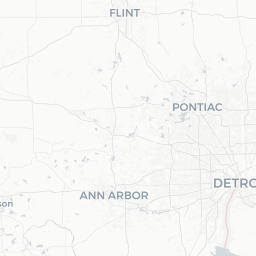
Detroit sits on the Detroit River in southeast Michigan, directly across from Windsor, Ontario, Canada — one of the few places in the contiguous United States where you look south into Canada. With a population of roughly 645,000, it is Michigan's largest city and one of the Midwest's most culturally significant.
The city's identity is inseparable from the American automobile industry. Ford, General Motors, and Stellantis (formerly Chrysler) all have deep roots here, and that industrial legacy shaped everything from the architecture to the labor movement that helped define 20th-century American working-class life.
Beyond cars, Detroit gave the world the Motown sound — a musical tradition that produced artists including Stevie Wonder, Diana Ross, Marvin Gaye, and the Jackson 5. Today, the city is also recognized as the birthplace of techno music, a genre that emerged from Detroit's post-industrial landscape in the 1980s.
In recent years, Detroit has undergone a notable urban revival. Neighborhoods such as Midtown, Corktown, and Eastern Market have seen significant investment in restaurants, breweries, independent shops, and creative studios. Visitors arrive expecting rust-belt grit and often leave surprised by the city's energy and genuine hospitality.
Before You Go
Visas and Entry
Detroit is a US port of entry, including for travelers crossing from Canada. Entry requirements depend on your nationality and travel history. For visa information specific to your situation, visit TravelerPulse's Visas section and check the official US Customs and Border Protection website (cbp.gov) or the US Department of State (travel.state.gov).
Health and Insurance
No vaccinations are specifically required to enter the United States, but standard travel health insurance is strongly recommended. The US does not have universal public healthcare, and medical costs can be very high without coverage.
What to Pack
- Spring/Fall: Layers; temperatures can swing significantly between morning and afternoon.
- Summer: Light clothing, sunscreen, and rain gear — thunderstorms are common.
- Winter: Heavy coat, gloves, and waterproof boots. Lake-effect influence can bring significant snowfall and wind chill from December through February.
Currency and Payments
Credit and debit cards are accepted almost universally. ATMs are widely available. It is worth carrying some cash for smaller local vendors, Eastern Market stalls, and tips.
Getting There
By Air
Detroit Metropolitan Wayne County Airport (DTW), located in Romulus approximately 20 miles southwest of downtown, is the primary commercial airport. It is a major Delta Air Lines hub with direct services to numerous domestic and international destinations. Verify current flight options and schedules directly with airlines or your booking platform.
By Road
Detroit is accessible via several major interstate highways, including I-75, I-94, and I-96. The city is roughly a 4.5-hour drive from Chicago and under an hour from Toledo, Ohio. Crossing from Windsor, Ontario is possible via the Ambassador Bridge or the Detroit–Windsor Tunnel; travelers should carry appropriate identification and be aware of customs requirements on both sides.
By Rail and Bus
Amtrak serves Detroit's newly renovated Michigan Central Station in Corktown, with routes connecting to Chicago and other Midwest cities. Greyhound and other intercity bus operators also serve the city. Verify current schedules and fares directly with providers.
Getting Around
Public Transit
The Detroit Department of Transportation (DDOT) operates bus routes throughout the city. The QLine streetcar runs along Woodward Avenue connecting downtown to Midtown. The People Mover, an elevated rail loop, circles the downtown core and is useful for short hops between downtown landmarks. The SMART bus system extends service to suburban areas. Verify fares and current service maps at the official transit authority websites.
Ride-Share and Taxis
Uber and Lyft operate throughout the metro area and are practical for trips between neighborhoods, particularly at night or when carrying luggage. Traditional taxi services are also available.
Driving
Most visitors choose to rent a car, particularly if they plan to explore beyond the walkable core neighborhoods or visit suburban attractions like The Henry Ford museum complex in Dearborn. Parking is generally more available and less expensive than in comparable US cities, though this varies by neighborhood and event days.
Walking and Cycling
Downtown, Midtown, Corktown, and Eastern Market are all reasonably walkable. The city has invested in cycling infrastructure in recent years, and bike-share options are available — verify current providers locally. Between neighborhoods, distances can be significant and the street environment varies, so plan routes in advance.
Things to See & Do
Music and Cultural Heritage
- Motown Museum (Hitsville U.S.A.): The original recording studio where Motown Records was founded. A must for anyone interested in American music history. Verify current opening hours and admission fees on the official website before visiting.
- Detroit Institute of Arts (DIA): One of the premier art museums in the United States, housing Diego Rivera's landmark Detroit Industry Murals — a WPA-era fresco cycle widely considered among the finest examples of public art in North America. Verify admission details on the DIA website.
- Detroit Historical Museum: Covers the full arc of the city's history, from Indigenous peoples and the fur trade through the auto era and civil rights struggles.
Automotive History
- The Henry Ford (Dearborn): A massive museum complex in nearby Dearborn encompassing the Henry Ford Museum of American Innovation, Greenfield Village, and the Ford Rouge Factory Tour. Allow a full day. Located outside the city — a car or ride-share is needed. Verify hours and ticket options at thehenryford.org.
- GM Renaissance Center: The headquarters tower of General Motors overlooks the riverfront and is architecturally distinctive, though public access to the interior is limited.
Neighborhoods and Markets
- Eastern Market: One of the largest historic public markets in the United States. Saturday market days draw vendors and visitors from across the region for produce, meat, flowers, and specialty foods.
- Corktown: Detroit's oldest surviving neighborhood, now home to independent restaurants, bars, and Michigan Central Station, which has been restored as a mixed-use innovation hub.
- Midtown: Anchored by Wayne State University, the DIA, and a cluster of restaurants and cafes along Cass Avenue.
- Belle Isle: A large island park in the Detroit River, accessible by bridge, featuring a nature center, aquarium, and shoreline views. It is managed as a Michigan state park; verify current access fees.
Music and Nightlife
Detroit has a deep live music and electronic music culture. Venues range from large concert halls to small independent clubs. The city hosts the Movement Electronic Music Festival (Memorial Day weekend) at Hart Plaza, one of the most prominent techno festivals in the world. Check event listings locally for current programming.
Food & Drink
Local Food Culture
Detroit has developed a genuinely diverse and creative food scene over the past decade, moving well beyond its blue-collar diner reputation (though those diners still exist and are worth visiting). The city is particularly strong in Middle Eastern cuisine — the metro area has one of the largest Arab-American communities in the country, and Dearborn in particular is home to exceptional Lebanese, Yemeni, and Iraqi restaurants.
Detroit-Style Pizza
Detroit is the origin of Detroit-style pizza — a rectangular, deep-dish pizza baked in a steel pan, with a thick, crispy, caramelized cheese crust and sauce applied on top of the cheese. Multiple well-regarded pizzerias across the city serve this style; locals have strong opinions about favorites, and it is worth asking around.
Eastern Market and Independent Dining
Eastern Market's surrounding streets are home to a concentration of independent restaurants, coffee shops, and bars. Corktown and Midtown have similarly dense clusters. The city has a strong craft beer brewery scene with several production breweries offering taprooms.
Practical Notes
Restaurant tipping norms in the US generally run 18–22% of the pre-tax bill for sit-down service. Most restaurants in Detroit accept cards, but confirm at smaller or market-based vendors. Reservations are advisable at popular spots, particularly on weekends.
Shopping
Eastern Market
Beyond its role as a food market, Eastern Market's sheds and surrounding streets include vendors selling plants, art, vintage items, and handmade goods, particularly on Saturdays.
Independent Retail
Corktown, Midtown, and New Center neighborhoods have a growing number of independent boutiques, record stores, bookshops, and design-oriented retailers. Detroit has a strong tradition of local entrepreneurship in retail, and many shops emphasize locally made or Michigan-sourced goods.
Larger Shopping
For mainstream retail and mall shopping, suburban areas such as Somerset Collection in Troy offer extensive options. Downtown Detroit's retail landscape continues to evolve — verify current tenants locally as the area changes.
Practical Information
Emergency Services
In any emergency in the United States, dial 911 for police, fire, or medical assistance.
Time Zone
Detroit observes Eastern Time (ET): UTC−5 in winter (EST), UTC−4 in summer (EDT). Michigan observes daylight saving time.
Electricity
Standard US outlets: 120V, 60Hz, Type A and B plugs. Visitors from most of Europe, Asia, Africa, and Australia will need an adapter and possibly a voltage converter for some devices.
Tipping
Tipping is standard practice in the US. General guidance: 18–22% at restaurants, $1–2 per drink at bars, $2–5 per night for hotel housekeeping, and rounding up or adding a few dollars for taxi and ride-share drivers.
Connectivity
Public Wi-Fi is available in many cafes, hotels, and some public spaces. US SIM cards or an international data plan are practical for longer stays. Major carriers have good coverage in the Detroit metro area.
Sales Tax
Michigan has a state sales tax; verify the current rate locally. This is added at the point of purchase and is not included in displayed prices.
Safety
Detroit has historically had elevated crime rates compared to US national averages, and this context is worth acknowledging honestly. However, the neighborhoods most visited by travelers — downtown, Midtown, Corktown, Eastern Market, and Belle Isle — have seen substantial improvement and are generally active, well-lit, and busy with residents and visitors.
As in any major US city, situational awareness is advisable, particularly at night or in less-trafficked areas. Stick to planned routes, keep valuables secure, and avoid leaving items visible in parked cars. Crime is unevenly distributed across the city; some residential neighborhoods away from the main visitor corridors have significantly higher rates of property crime and violent crime.
The Detroit Police Department is the primary law enforcement agency. In any emergency, dial 911. For non-emergency police matters, verify the current non-emergency contact number locally or via the city's official website.
For US State Department travel advisories or any relevant federal guidance, check travel.state.gov. As Detroit is a domestic US destination, no formal travel advisory applies for US citizens.
Local Culture & Etiquette
Detroit's culture is shaped by its position as an industrial city, a majority Black city, an immigrant destination, and a place that has experienced both dramatic prosperity and severe economic hardship. Understanding this context helps visitors engage more meaningfully with the city.
The city is majority African American, and Black culture, art, music, and politics are central to Detroit's identity — from the Motown era through the civil rights movement to contemporary art and activism. The Charles H. Wright Museum of African American History, one of the largest of its kind in the world, is an important resource for understanding this history.
Detroit also has deep roots in labor organizing. The United Auto Workers union was born here, and the city played a critical role in 20th-century American labor history. Several murals, monuments, and museums touch on this legacy.
The Arab-American community, concentrated in Detroit and the suburb of Dearborn, is one of the most established in the United States, contributing significantly to the region's cultural and culinary life. Visitors should be aware that Dearborn has a large Muslim population; during Ramadan, for example, the character of the area changes notably.
Detroiters tend to be direct, unpretentious, and proud of their city — often in a way that acknowledges its challenges rather than glossing over them. Genuine curiosity and respect go a long way.