Translate

Overview
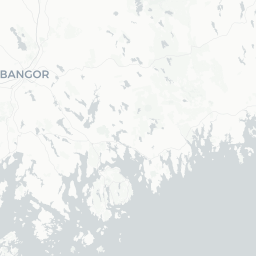
Bangor is a small city of roughly 32,000 people situated on the western bank of the Penobscot River in central Maine. It serves as the commercial and cultural hub for a wide region of eastern and northern Maine, drawing visitors as both a destination in its own right and a convenient stopping point before pushing further into the wilderness.
Historically, Bangor grew into one of the world's busiest lumber ports during the 19th century, and that prosperous era left behind a legacy of well-preserved Victorian-era architecture, particularly visible in the West Market Square Historic District and along Broadway. Today the economy is more diversified, anchored by healthcare, education, and retail, but the city retains a distinct character shaped by its frontier-town past and its position at the edge of Maine's vast North Woods.
Bangor is perhaps best known internationally as the lifelong home of author Stephen King, and a low-key but genuine literary tourism scene has developed around that connection. Beyond that, the city offers walkable neighborhoods, a lively arts community for its size, and ready access to major natural attractions including Acadia National Park (roughly 50 miles to the southeast) and Baxter State Park to the north.
Before You Go
Visas and Entry
Bangor is in the United States. Visa and entry requirements depend on your nationality. Check TravelerPulse's Visas section and the U.S. Customs and Border Protection website (cbp.gov) for current requirements before traveling.
When to Go
- Summer (June–August): The most comfortable season, with temperatures generally in the 60s–70s°F (mid-teens to low 20s°C). Long daylight hours suit outdoor exploration.
- Fall (September–October): Foliage season draws visitors; peak color in the Bangor area typically arrives in early-to-mid October.
- Winter (November–March): Cold and snowy. Average January highs are in the mid-20s°F (around -4°C). Most visitor attractions remain open but some outdoor activities are limited.
- Spring (April–May): Mud season is a real phenomenon in Maine; roads can be rough and weather unpredictable, but prices are lower and crowds are minimal.
What to Pack
Layering is practical year-round. Even summer evenings can be cool. Waterproof footwear is useful in spring and fall. If you plan to hike or spend time in the woods, pack insect repellent for the warmer months — black flies and mosquitoes are abundant from late May through July.
Getting There
By Air
Bangor International Airport (BGR) is the city's commercial airport and one of Maine's busiest. It receives domestic flights from major carriers; routes and schedules change seasonally, so verify current connections on the airport's official website or your preferred booking platform. Portland International Jetport (PWM), roughly 130 miles to the southwest, offers more routes and may sometimes be competitive for visitors willing to drive.
By Car
Interstate 95 passes directly through Bangor, making it straightforward to reach by car from Boston (approximately 3.5 hours under normal conditions) or Portland (roughly 2 hours). U.S. Route 1A and Route 2 also converge here. A car is effectively essential for exploring the surrounding region.
By Bus
Concord Coach Lines operates regular service between Bangor and Boston's South Station as well as stops along the Maine coast. Greyhound also serves Bangor. Verify current schedules and fares directly with the carriers before travel.
By Rail
There is no Amtrak service to Bangor. The closest Amtrak terminus on the Downeaster line is Brunswick or Portland, from which you would need a connecting bus or car.
Getting Around
A personal vehicle or rental car is the most practical way to get around Bangor and explore the surrounding region. The city itself is compact enough to walk in the downtown core, but attractions are spread out and public transit is limited.
The Community Connector is Bangor's local bus system, serving the city and some neighboring communities. Route maps and schedules are available on the official Community Connector website; verify current service before relying on it for time-sensitive plans.
Rideshare services (Uber and Lyft) operate in Bangor, though availability can be limited compared to larger cities, especially late at night. Taxis are available; local companies can be found via a quick search. Biking is feasible within downtown on pleasant days, and the city has some dedicated infrastructure, though Bangor is not a comprehensively bike-friendly city by design.
Things to See & Do
Literary and Cultural Sites
- Stephen King's House (West Broadway): The author's Victorian home is privately owned and not open to tours, but the exterior — complete with its distinctive wrought-iron bat-and-spider gate — is a well-known landmark that fans visit regularly. Respect the property and privacy of the residents.
- Bangor Public Library: A handsome historic building worth a visit for architecture and local history resources.
- Bangor Museum and History Center: Covers the city's lumber-era past and regional history. Verify current hours and admission on their official site before visiting.
- Maine Discovery Museum: A hands-on children's museum in downtown Bangor; useful for families.
Outdoors
- Cascade Park and Orono Bog Boardwalk: The bog boardwalk (maintained by University of Maine) offers an accessible walk through a rare peatland ecosystem. Free to visit; check conditions locally before going.
- Penobscot River: The waterfront provides walking and cycling paths. The river itself supports fishing and paddling.
- Acadia National Park: While not in Bangor, it is approximately 50 miles southeast (around Mount Desert Island) and is a logical day trip or overnight excursion.
Arts and Entertainment
- Penobscot Theatre Company: One of Maine's established professional theater companies, based downtown. Check their current season schedule at their official site.
- Cross Insurance Center: The city's arena hosts concerts, sporting events, and family shows. Verify upcoming events on the venue's website.
- Waterfront Concerts: Bangor has historically hosted major outdoor concerts at the waterfront during summer; confirm current programming locally.
Food & Drink
Bangor's dining scene is modest in scale but offers genuine variety for a city of its size. Expect a mix of locally owned restaurants, classic Maine seafood spots, and the full range of national chains along the commercial strips.
What to Eat
- Lobster and seafood: As with anywhere in coastal Maine, fresh lobster, clam chowder, and fish are staples. Several restaurants in and around Bangor serve locally sourced seafood.
- Blueberry products: Maine wild blueberries are a regional specialty; look for them in baked goods and preserves at local markets and cafés.
Neighborhoods and Areas
Downtown Bangor, particularly around West Market Square and Exchange Street, is the best concentration of independent restaurants and cafés. Hammond Street and the area around the waterfront also have options. The commercial strips along Hogan Road and outer Broadway tend toward chains and fast food.
Drinking
Bangor has a small but active craft beer scene. Several bars and brewpubs operate downtown; check current listings locally as the scene shifts regularly. Maine has standard U.S. liquor licensing rules; the legal drinking age is 21.
Practical Information
Emergency Services
For all emergencies in the United States, dial 911.
Health
Bangor is home to Northern Light Eastern Maine Medical Center, a regional hospital. There are also urgent care clinics and pharmacies throughout the city. Travel health insurance is strongly recommended for all international visitors to the U.S., given the cost of medical care.
Money
ATMs are widely available. Credit cards are accepted almost universally. U.S. sales tax applies in Maine; the state rate is 5.5% on most goods (verify current rates locally as these can change).
Connectivity
Mobile coverage from major U.S. carriers is good in the city. Note that coverage drops off significantly once you travel into the more rural and wilderness areas north and west of Bangor. Wi-Fi is available at the library, many cafés, and most accommodations.
Tipping
Tipping customs follow standard U.S. norms: 18–20% at sit-down restaurants, a few dollars for taxi or rideshare drivers, and similar for other service workers.
Safety
Bangor is generally a safe city for travelers. Downtown and tourist-frequented areas are low-risk during the day and evening. As in most small American cities, exercise normal urban awareness after dark in less-trafficked areas.
If you venture into the North Woods north of Bangor, take wilderness preparedness seriously. Cell service is sparse, roads can be unpredictable (many are private logging roads with different rules), and distances are greater than they appear. File a trip plan with someone you trust, carry paper maps, and check weather and road conditions before departing.