Translate
Overview
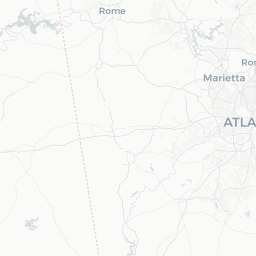
Athens, Georgia sits about 70 miles northeast of Atlanta in the Piedmont region and is home to roughly 127,000 residents. It is the county seat of Clarke County and has a character shaped almost entirely by the presence of the University of Georgia (UGA), one of the oldest public universities in the United States, founded in 1785.
The city punches well above its weight culturally. Athens produced internationally recognized bands including R.E.M. and the B-52s, and its downtown still supports a dense cluster of live music venues, independent record stores, and bars that make it a genuine destination for music travelers. The arts, food, and craft beverage scenes have grown steadily alongside the university.
Beyond the music reputation, Athens has a walkable, human-scaled downtown filled with 19th-century commercial buildings, tree-lined streets, and a mix of students, long-term residents, and creative professionals. It is a comfortable, low-key place to visit without the pace or cost of a major city.
Before You Go
Athens is a domestic US destination, so no visa or passport is required for US citizens. International travelers should check TravelerPulse's Visas section and the US Citizenship and Immigration Services (USCIS) website at uscis.gov for current entry requirements.
When to Visit
- Spring (March–May): Mild temperatures, blooming dogwoods and azaleas, and an energetic campus atmosphere. UGA's spring calendar brings events, arts festivals, and busy restaurant weeks.
- Fall (September–November): Football season draws large crowds on UGA home game weekends — expect higher accommodation prices and a festive atmosphere. Foliage color typically peaks in late October.
- Summer (June–August): Hot and humid. The university is quieter but the city remains active. Accommodation is generally easier to find and prices may be lower outside graduation weekend.
- Winter (December–February): Mild compared to much of the US but can be cool and rainy. The holiday period is quiet once students leave.
Practical Notes
- Home football Saturdays at Sanford Stadium fill the city to capacity. Book accommodation well in advance for those dates and verify pricing carefully.
- The city is largely casual in dress and attitude. There is no particular formal attire expected anywhere most visitors go.
Getting There
Athens does not have a commercial airport with scheduled passenger service. Most visitors fly into Hartsfield-Jackson Atlanta International Airport (ATL), the closest major hub, approximately 70–80 miles southwest depending on route. From ATL, travelers can rent a car, take a rideshare, or use a shuttle service — verify current shuttle operators and schedules locally or online before travel, as options change.
Driving is the most common way to arrive. Athens is accessible via US-78 and US-29 from Atlanta and surrounding areas. The drive from Atlanta typically takes 70–90 minutes outside of peak traffic hours, though Atlanta-area congestion can add significant time during rush hours.
Groome Transportation has historically offered scheduled shuttle service between ATL and Athens; verify current schedules and fares directly on their website before booking.
Amtrak does not serve Athens. Long-distance bus options (such as Greyhound) have served Athens in the past — check current routes and schedules on greyhound.com, as service can change.
Getting Around
A car is helpful but not strictly necessary if you are staying downtown. The compact downtown core — roughly along College Avenue, Clayton Street, and surrounding blocks — is very walkable and contains most restaurants, bars, music venues, and shops visitors come for.
Athens Transit operates the local public bus system serving much of the city including UGA's campus. Fares and schedules should be verified at the official Athens Transit website or by calling the transit authority directly.
Rideshare (Uber and Lyft) operates actively in Athens and is a practical option for getting between downtown, UGA, and neighborhoods farther out. Availability is generally good, though surges occur on football game days and late-night weekend hours.
Bicycling is feasible in and around downtown and on campus. Several local bike shops offer rentals — verify current options locally. Parking downtown is available in city decks and street meters; rates and hours should be confirmed on the Athens-Clarke County website.
Where to Stay
Athens has a range of accommodation types concentrated near downtown and the UGA campus. Options include national chain hotels, independent boutique properties, and a growing number of short-term rental listings on platforms like Airbnb and Vrbo.
Downtown and campus-adjacent stays are most practical for visitors focused on music, food, and walkable exploration. Properties in this area allow you to reach most attractions on foot in the evening without needing a car.
As noted, home UGA football Saturdays and graduation weekends see sharp price increases and fast sell-outs. If your visit coincides with these dates, book as early as possible and confirm cancellation policies. Verify all current hotel names, rates, and availability through standard booking platforms, as the local accommodation market changes.
Things to See & Do
Music and Arts
Athens's live music scene is its most distinctive feature. Downtown venues host original acts most nights of the week across genres — rock, indie, country, hip-hop, and experimental. The Georgia Theatre is a well-known mid-size venue in a renovated historic building; check their calendar directly for current shows. Smaller bars and clubs along Washington Street and surrounding blocks also host live performances regularly.
The Lyndon House Arts Center, operated by Athens-Clarke County, is a free public arts center with rotating exhibitions and studio space. Hours and current exhibitions should be verified on the Athens-Clarke County cultural affairs website.
University of Georgia
The UGA campus is open for self-guided walking. The State Botanical Garden of Georgia, affiliated with UGA, is a substantial garden with conservatory and nature trails — verify current hours and any admission details on their official site. The university's museums, including the Georgia Museum of Art, are worth checking; admission policies and hours should be confirmed directly.
Historic Sites
- Tree That Owns Itself — A white oak tree on Dearing Street with a well-known local legend about being deeded ownership of the land beneath it. Free to visit, always accessible.
- Double-Barreled Cannon — A unique Civil War-era cannon on display at City Hall. Free to view from outside.
- Athens has a number of antebellum homes visible from the street in neighborhoods near downtown.
Outdoor Activities
Sandy Creek Nature Center and Sandy Creek Park offer trails, lake access, and wildlife viewing north of downtown. Verify hours and any fees with Athens-Clarke County. The North Oconee River Greenway provides a multi-use trail along the river accessible from several points in the city.
Food & Drink
Athens has a food scene that goes beyond what a city its size might suggest, driven by university demand, a creative local population, and proximity to Georgia farm country. Downtown and the Normaltown neighborhood are the primary dining clusters.
What to Expect
- A strong base of independent restaurants covering Southern food, farm-to-table American, pizza, tacos, sushi, and international cuisines.
- Craft beer is a significant part of the culture. Several local breweries operate taprooms in or near downtown — verify current names and locations locally, as the craft beer scene evolves.
- Breakfast and brunch are taken seriously; several spots maintain loyal local followings.
- The bar scene downtown is active Wednesday through Saturday, driven largely by the university calendar.
Practical Notes
Restaurants can fill quickly on football game weekends. Reservations are advisable at sit-down restaurants during these periods. Many bars downtown are 21+ after a certain hour — carry photo ID. Specific restaurant recommendations should be verified on current review platforms (Google Maps, Yelp) as businesses open and close regularly in a college-town market.
Shopping
Downtown Athens supports a solid independent retail scene. College Avenue and adjacent streets have local clothing boutiques, vintage shops, record stores, bookstores, and gift shops.
Wuxtry Records is a long-established independent record store with a well-known local history — it is where members of R.E.M. famously met. It carries new and used vinyl and is worth a visit for music-minded travelers.
The Athens Farmers Market operates seasonally and offers local produce, crafts, and food products. Verify current days, times, and location on their website before planning a visit around it.
For standard retail needs, there are shopping centers on the outskirts of the city that are more easily reached by car.
Practical Information
Emergency Services
In any emergency in the United States, dial 911 for police, fire, or medical services.
Health
Athens has hospital facilities including Piedmont Athens Regional Medical Center. For non-emergency medical needs, urgent care clinics are available around the city — verify locations and hours online or through your accommodation.
Connectivity
Wi-Fi is widely available in hotels, cafes, bars, and restaurants. Mobile coverage (major US carriers) is generally reliable in the city and on campus.
Money
Credit and debit cards are accepted almost universally. Some smaller bars and street vendors may prefer cash — it is worth carrying a small amount. ATMs are available downtown and throughout the city.
Tipping
Standard US tipping conventions apply: 18–20% at sit-down restaurants, $1–2 per drink at bars, and standard rideshare and hotel tipping norms.
Safety
Athens is generally a safe destination for visitors, particularly in the downtown and campus areas that see the most foot traffic. Standard urban precautions apply: be aware of your surroundings, secure valuables, and avoid poorly lit or isolated areas late at night.
Late-night bar closings on weekends can produce crowded, loud street scenes downtown. These are generally energetic rather than dangerous but can be overwhelming. If you are driving, be aware that DUI enforcement is active.
As with any US city, check current local news and consult the Athens-Clarke County Police Department's public information for any specific advisories during your visit. The non-emergency police line and other local contacts can be found on the Athens-Clarke County government website (accgov.com).
Local Culture & Etiquette
Athens's identity is inseparable from its role as a college town, but it has developed a distinct culture that extends beyond UGA's campus. The music heritage is genuinely significant — the city's contribution to American indie and alternative rock in the late 1970s and 1980s is well documented and still shapes how locals think about the city.
There is a strong sense of creative community. Local arts, music, and food ventures are supported by a population that values independent businesses. The pace of life is relaxed compared to Atlanta, and interactions tend to be friendly and casual.
Southern culture is present in the food, the warmth of many social interactions, and in some of the historic architecture and traditions, but Athens also has a notably progressive and diverse political and social climate for a Georgia city, shaped heavily by the university. Visitors from outside the South should approach the region with curiosity rather than assumptions — the city contains multitudes.