Overview
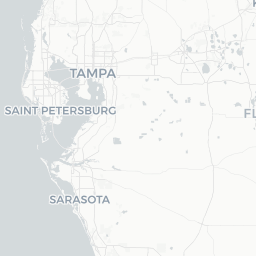
St. Petersburg sits on a peninsula between Tampa Bay and the Gulf of Mexico in Pinellas County, Florida. With a population of roughly 257,000, it is the fourth-largest city in the state and the largest in the Tampa Bay metro area without a major river boundary cutting through its urban core. Locals and visitors alike often shorten the name to "St. Pete."
The city is frequently cited as one of the sunniest in the United States, and its outdoors-oriented culture reflects that reputation. Downtown St. Pete has undergone significant investment over the past two decades, producing a concentrated arts district, a lively restaurant scene, and a string of waterfront parks that give the city an unusually walkable character for a mid-sized Florida city.
St. Pete is perhaps best known nationally for the Salvador Dalí Museum, which holds the largest collection of Dalí works outside of Europe, but the broader cultural offering — including a cluster of galleries along Central Avenue and a strong live-music calendar — makes it a destination of genuine depth beyond any single attraction.
Before You Go
Visas and Entry
St. Petersburg is in the United States. Entry requirements depend on your nationality. Check TravelerPulse's Visas section and the official U.S. Customs and Border Protection website for current guidance before booking travel.
Weather and Seasons
Florida's Gulf Coast has a subtropical climate. Summers (June–September) are hot, humid, and bring daily afternoon thunderstorms as well as the peak of Atlantic hurricane season. Winters are mild and generally dry, with daytime temperatures frequently in the 60s–70s°F (roughly 15–24°C). The period from October through April is considered prime season: comfortable temperatures, lower humidity, and reduced rain.
What to Pack
- Lightweight, breathable clothing year-round
- Rain layer or compact umbrella if visiting May–September
- Sunscreen — UV index is high even in winter
- Comfortable walking shoes for downtown and waterfront trails
- Light jacket for evenings October–March
Health
No vaccinations are specifically required for domestic U.S. travelers. Tap water is generally safe. Standard U.S. travel health precautions apply; confirm any personal health needs with your doctor before travel.
Getting There
By Air
St. Pete–Clearwater International Airport (PIE) is the closest airport, located just north of the city, and serves a range of domestic routes and some international charter services — verify current routes on the airport's official site. Tampa International Airport (TPA), roughly 20–25 minutes away across the Howard Frankland Bridge, offers significantly more domestic and international connections and is the main gateway for most travelers.
By Car
Interstate 275 is the primary highway artery connecting St. Pete to Tampa and the broader region. Driving from Tampa to downtown St. Pete typically takes 20–35 minutes depending on traffic and which bridge you use. From Orlando, expect roughly 90 minutes via I-4 and I-275.
By Bus
Greyhound and FlixBus serve the Tampa Bay area; verify current stops and schedules on their respective websites, as stop locations can change.
By Train
Amtrak does not currently serve St. Petersburg directly. The nearest Amtrak station is in Tampa. Check Amtrak.com for current timetables and routes.
Getting Around
Driving and Parking
St. Pete is navigable by car, and a grid-based street layout makes it relatively easy to orient yourself. Parking downtown is available in several public garages and surface lots; verify current rates and locations through the City of St. Petersburg's official site.
Public Transit
Pinellas Suncoast Transit Authority (PSTA) operates bus routes across the county. The Looper, a free circulator trolley, connects key downtown landmarks, the Pier, and several parking areas — check PSTA's website for current routes and hours, as service can be adjusted seasonally.
Cycling
St. Pete has invested significantly in protected bike lanes, particularly along Central Avenue and the waterfront. The Pinellas Trail is a paved multi-use trail that runs the length of the county and connects to downtown. Bike-share stations (verify the current operator locally) are available in the core downtown area.
Walking
The downtown core, the Pier district, and the Central Arts District are all walkable from each other. Many visitors spend entire days on foot within these neighborhoods.
Things to See & Do
Arts and Museums
- Salvador Dalí Museum — Holds the largest collection of Dalí works outside of Europe, including major oil paintings, watercolors, and drawings. The building itself, with its geodesic glass atrium, is architecturally distinctive. Verify current admission prices and hours on the museum's official site.
- Museum of Fine Arts St. Petersburg (MFA) — A broad encyclopedic collection spanning ancient to contemporary works, set on the waterfront. Check mfastpete.org for current hours.
- Imagine Museum — Dedicated exclusively to American Studio Glass art, one of the few museums in the country with this focus.
- St. Pete's Central Arts District — A walkable stretch of Central Avenue concentrated with independent galleries, public murals, and artist studios, particularly active on "First Friday" gallery walks.
Outdoors and Waterfront
- St. Pete Pier — A major redeveloped public pier that juts into Tampa Bay, featuring restaurants, a bait shop, a children's splash area, and wide views of the bay. Free to access the pier itself.
- Fort De Soto Park — A five-island county park at the southern tip of Pinellas County, consistently ranked among the best beaches in the United States. Offers camping, kayaking, and a historic Spanish-American War-era fort. Verify current park fees and camping reservations through Pinellas County Parks.
- Vinoy Park and North Shore Park — Bayfront green spaces popular for festivals, pickup sports, and waterfront walking.
- Weedon Island Preserve — A natural coastal preserve on the northeastern edge of the city with kayak trails and boardwalks through mangroves.
Other Activities
- Craft brewery scene centered around the Warehouse Arts District
- Kayaking and paddleboarding on Tampa Bay and surrounding waterways
- Sunshine Skyway Fishing Piers, converted from the original bridge spans
Food & Drink
St. Petersburg's food scene has expanded considerably over the past decade. The city now has a diverse range of dining options from Gulf-fresh seafood and Cuban-influenced dishes to farm-to-table restaurants, international cuisines, and a strong brunch culture. Central Avenue and Beach Drive are the two most restaurant-dense corridors downtown.
What to Eat
- Gulf seafood — Stone crab (in season roughly October–May), grouper, snapper, and shrimp appear on menus across the city. Fresh fish markets along the waterfront sell direct to consumers as well.
- Cuban sandwiches — Tampa Bay's Cuban immigrant history means pressed Cuban sandwiches are taken seriously here; numerous delis and cafes serve notable versions.
- Craft beer — St. Pete has a notably dense cluster of craft breweries for a city its size, concentrated partly in the Warehouse Arts District south of downtown.
Neighborhoods to Explore
- Beach Drive NE — Waterfront dining with bay views, skewing toward upscale.
- Central Avenue — A long east-west corridor with the broadest mix of price points and cuisines, including many independent spots.
- Grand Central District — A slightly more neighborhood-scale dining and bar scene a mile or so west of downtown core.
Shopping
St. Pete's shopping is largely independent and locally oriented rather than mall-driven, which is part of the city's identity. Central Avenue is the spine of retail activity, hosting vintage clothing stores, record shops, independent bookstores, art galleries selling original work, and specialty food shops.
The Saturday Morning Market, held downtown on Al Lang Plaza roughly from October through May, is one of the larger outdoor markets in the Southeast and draws farmers, food vendors, artisans, and musicians. Verify current dates, hours, and location on the market's official website before visiting, as seasonal schedules apply.
The Grand Central District and the 22nd Street South corridor (historically the city's African American commercial hub) each offer more neighborhood-scale shopping with a mix of antique dealers, boutiques, and locally run businesses.
Practical Information
Emergency Numbers
- Emergency (police, fire, medical): 911
- Non-emergency police: Verify the current Pinellas County non-emergency number through the official St. Pete Police Department website.
Electricity
Standard U.S. outlets: 120V, 60Hz, Type A and B plugs. International visitors will need a plug adapter and possibly a voltage converter.
Tipping
Tipping is standard practice in the United States. Common expectations: 18–20% at sit-down restaurants, $1–2 per drink at bars, $1–2 per bag for hotel porters. Verify locally if unsure.
Connectivity
Cell coverage from major U.S. carriers is reliable throughout the city. Free public Wi-Fi is available in some parks and municipal areas; verify availability on the City of St. Petersburg's official site.
Accessibility
The downtown core, Pier, and major museums have accessible entrances and facilities. Fort De Soto and natural areas vary — check individual venue websites for current accessibility details.
Safety
St. Petersburg is generally considered safe for visitors, particularly in the downtown core, beach neighborhoods, and tourist areas. As with any American city of comparable size, crime rates vary by neighborhood, and travelers should exercise standard urban awareness — be mindful of your surroundings, secure valuables, and avoid leaving items visible in parked cars.
Hurricane awareness is relevant for visits between June and November. Florida's emergency management system is well-developed; monitor the National Hurricane Center (nhc.noaa.gov) and local news channels if a storm threatens. Accommodations and park operators will provide guidance on any necessary closures or evacuations.
Rip currents are a hazard at Gulf beaches. Swim only at beaches with lifeguard coverage when possible, and follow all posted flag warning systems — yellow, red, and double-red flags signal increasing danger levels.
Local Culture & Etiquette
St. Petersburg has a distinct cultural identity within Florida — more arts-forward and walkable than many Florida cities, with an LGBTQ+-friendly reputation, a significant African American historic community centered on the Midtown neighborhood, and a visible arts community that predates the city's recent growth.
The city has historical ties to Cuban and Latin American immigration via the broader Tampa Bay region, which influences local food, music, and community life. The historic Gas Plant District was the site of a demolished African American community, and that history remains a point of civic discussion tied to ongoing development of the area now occupied by Tropicana Field.
Public art is taken seriously: large-scale murals are found throughout the city, and the Warehouse Arts District hosts working artist studios, not just gallery retail. First Friday gallery walks are a regular social institution downtown.