Translate
Overview
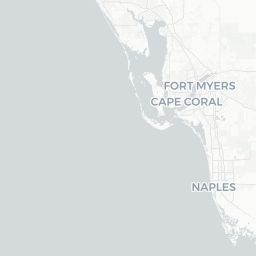
Naples is a small, affluent coastal city on Florida's Gulf Coast, situated at the southern edge of the state where the subtropical landscape transitions toward the Everglades. Despite a permanent population of roughly 21,000, it draws a much larger seasonal population, particularly during the winter months when snowbirds and vacationers arrive from across the country and Canada.
The city is organized around a compact, walkable downtown centered on Fifth Avenue South and Third Street South, both lined with restaurants, galleries, and boutiques. The beachfront is calm and well-maintained, with Gulf waters that tend to be warmer and gentler than Atlantic-facing Florida beaches. Sunsets here are a genuine draw — the western exposure means the sky over the Gulf produces vivid evening light almost every clear night.
Naples has a reputation as one of the wealthier small cities in the United States, which shapes the overall character of the place: service standards are generally high, the built environment is manicured, and the pace is relaxed rather than frenetic. It is not a party destination, and travelers seeking nightlife or budget options may find the city limiting. Those looking for natural beauty, good food, and a quiet Gulf Coast base will likely find it well-suited.
Before You Go
Visas
Naples is located in the United States. Entry requirements depend on your nationality. Check TravelerPulse's Visas section and consult the U.S. Customs and Border Protection website or your nearest U.S. embassy or consulate for current requirements before booking.
Season and Weather
The year divides into two distinct seasons. Winter (November–April) is dry, mild, and busy — daytime highs typically range through the 70s°F (low-to-mid 20s°C) with low humidity. Summer (May–October) is hot, humid, and subject to frequent afternoon thunderstorms and the possibility of tropical storms or hurricanes. Some restaurants and businesses reduce hours or close temporarily in the off-season. If you visit in summer, plan outdoor activities for mornings.
Hurricane Season
Florida's Atlantic hurricane season runs June through November, with peak activity in August and September. Naples experienced significant damage from Hurricane Ian in September 2022. Before traveling, verify that your intended accommodations and attractions are fully operational, and consider travel insurance that covers weather disruptions.
What to Pack
- Reef-safe sunscreen — required or strongly encouraged at many local beaches
- Light, breathable clothing year-round; a light layer for air-conditioned restaurants in winter
- Insect repellent if you plan to visit natural areas, especially near dusk
- Water shoes are useful for shelling and wading on sandier stretches
Getting There
By Air
The nearest major airport is Southwest Florida International Airport (RSW) in Fort Myers, approximately 35–40 miles north of Naples. It receives direct flights from many U.S. cities, particularly during winter. Naples Airport (APF) handles general aviation and some charter operations but no major commercial scheduled service — verify current status before assuming otherwise. From RSW, travelers typically reach Naples by rental car, rideshare, or pre-arranged shuttle.
By Car
Naples sits at the western terminus of I-75, which runs south from the Midwest and connects to Tampa and the rest of Florida's Gulf Coast corridor. US-41 (Tamiami Trail) passes through the city and connects eastward to Miami through the Everglades — this route is slower but scenically interesting. Driving is the most practical way to arrive and navigate the broader region.
By Bus
Greyhound and some regional carriers serve Naples, though schedules and routes change; verify current service on the operator's website before planning around this option.
Getting Around
Naples is a car-oriented city, and a rental vehicle is the most practical option for most visitors, particularly if you want to explore the surrounding natural areas or move between the beach, downtown, and outlying neighborhoods.
The downtown core — Fifth Avenue South, Third Street South, and the Naples Pier area — is compact enough to walk comfortably. Bicycles are a reasonable option within town, and rentals are available from local shops; verify current operators on arrival.
Rideshare apps (Uber, Lyft) operate in Naples and are generally reliable for trips within the city and to/from the airport in Fort Myers. Taxis are available but less prevalent than rideshare. A free trolley service has historically operated in season connecting downtown to beach areas — confirm current schedules with the city or your accommodation before relying on it.
Things to See & Do
Beaches
Naples Beach is the central public beach, accessible at the foot of 12th Avenue South near the Naples Pier. The pier itself is a local landmark used for fishing and sunset watching. Lowdermilk Park, further north along the coast, has facilities including restrooms and picnic areas and tends to be popular with families. Delnor-Wiggins Pass State Park, at the northern edge of the city, is one of the more natural and less developed beach options in the area and consistently earns high marks for water clarity and shelling.
Natural Areas
Naples sits at the edge of some of Florida's most significant ecosystems. Corkscrew Swamp Sanctuary, operated by Audubon, protects old-growth bald cypress forest and is one of the best birding sites in Florida — verify hours and admission on the Audubon website. The western entrance to Big Cypress National Preserve and the northern boundary of Everglades National Park are within reasonable driving distance, offering opportunities for kayaking, airboat tours, and wildlife observation.
Arts and Culture
The Baker Museum at Artis—Naples is the city's primary fine arts institution, with a permanent collection and rotating exhibitions; verify current hours and admission. The Naples Botanical Garden covers dozens of acres and includes themed gardens representing multiple world regions — it is particularly pleasant in the cooler months.
Golf
Naples has an unusually high concentration of golf courses relative to its size, and the sport is central to the local culture. Many courses are private or semi-private; visitors should verify public access and tee-time availability directly with individual clubs.
Shelling and Water Activities
The Gulf waters around Naples support kayaking, paddleboarding, sailing, and fishing charters. Shelling is popular along local beaches and on nearby barrier islands. Keewaydin Island, accessible only by boat, is a favored destination for shelling and undeveloped beach time.
Food & Drink
Dining Character
Naples has a restaurant scene that punches above its population size, largely because the seasonal visitor base includes a high proportion of travelers accustomed to quality dining. Fresh Gulf seafood — grouper, snapper, stone crab (in season, typically October through May), and shrimp — appears on menus across the price spectrum. The dining corridor along Fifth Avenue South and Third Street South concentrates many of the better-regarded options.
What to Eat
- Stone crab claws: A Florida Gulf Coast specialty. Only the claws are harvested; the crab is returned to the water. Typically served chilled with mustard sauce. Season runs roughly October through May — verify current season dates with the Florida Fish and Wildlife Conservation Commission.
- Gulf grouper: Available grilled, blackened, or fried; a reliable indicator of a kitchen's seafood sourcing.
- Cuban-influenced dishes: A reflection of Florida's cultural geography; sandwiches and pressed bread appear on casual menus.
Practical Notes
Reservations are strongly advised at popular restaurants during the November–April peak season; some spots book out days or weeks in advance. The off-season (summer) sees reduced hours and some temporary closures — call ahead. Dress codes are generally smart-casual to business-casual at upscale establishments, though nothing in Naples is black-tie obligatory.
Shopping
The primary shopping districts are Fifth Avenue South and Third Street South in downtown Naples, where independently owned galleries, home goods stores, and clothing boutiques dominate. The tone is upscale; nationally recognizable luxury brands have a presence alongside local retailers.
The Village on Venetian Bay is an open-air waterfront shopping center with a mix of galleries, boutiques, and restaurants — it is a pleasant environment to browse even if you are not purchasing. Waterside Shops, further north on US-41, is an outdoor lifestyle mall with higher-end national retailers.
For everyday needs — groceries, pharmacy, hardware — there are standard chain options throughout the city, and travelers staying longer than a few days will find these straightforward to locate.
Practical Information
Emergency Services
In any emergency in the United States, dial 911 for police, fire, or ambulance.
Health
NCH Healthcare System operates hospitals and urgent care facilities in Naples. For non-emergency medical needs, urgent care clinics are distributed around the city — verify current locations and hours locally or through your accommodation.
Connectivity
Cell coverage from major U.S. carriers is reliable throughout Naples and the surrounding area. Wi-Fi is available at most hotels and many restaurants and cafes.
Tipping
Tipping is standard practice in the United States. In restaurants, 18–20% of the pre-tax bill is conventional; for good service, 20% or more is common. Tip housekeeping, taxi or rideshare drivers, and service staff according to standard U.S. norms.
Accessibility
Downtown Naples and most major attractions are generally accessible; beach wheelchair rentals are available at some access points — verify availability locally before your trip.
Local Sales Tax
Florida has a state sales tax, and Collier County adds a local surtax. Verify the current combined rate if budgeting carefully; it applies to most retail purchases and restaurant bills.
Safety
Naples is consistently ranked among the safer small cities in Florida. Violent crime is low relative to national averages, and the downtown and beach areas are well-maintained and generally safe at all hours.
The primary safety considerations are environmental rather than criminal. Rip currents can occur at Gulf beaches, particularly after storms or during periods of high wind — observe posted flags (green: safe, yellow: caution, red: high hazard, purple: marine life hazard) and swim near lifeguarded areas where available. Florida's abundant wildlife includes alligators, which are present in freshwater canals, retention ponds, and natural areas throughout the region — maintain distance and never feed them. Venomous snakes (primarily cottonmouth and rattlesnake species) exist in natural areas; watch where you step off established trails.
Summer heat and humidity can be dangerous for outdoor activity. Drink water consistently, avoid peak sun hours (roughly 11 a.m. to 3 p.m.) for strenuous activity, and recognize the symptoms of heat exhaustion.