Translate


Overview
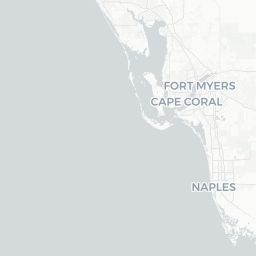
Fort Myers is a mid-sized city on Florida's southwest Gulf Coast, sitting at the mouth of the Caloosahatchee River where it meets the Gulf of Mexico. It serves as the seat of Lee County and acts as a regional hub for the broader collection of communities, barrier islands, and nature areas that stretch from Cape Coral to the north down toward Naples to the south.
The city earned early fame as a winter retreat for inventors Thomas Edison and Henry Ford, whose adjacent estates remain the area's most visited historic attraction. Beyond that anchor, Fort Myers draws visitors for its proximity to Gulf barrier islands — most notably Sanibel and Captiva — renowned for exceptional shelling and wildlife. The broader metro area offers a mix of nature-focused activities, waterfront dining, and a slowly revitalized historic downtown.
Fort Myers was significantly affected by Hurricane Ian in September 2022. Recovery has been ongoing, and while much of the area has rebuilt or reopened, travelers should verify the current status of specific attractions, restaurants, or accommodations before visiting, particularly on the barrier islands.
Before You Go
Visas
Fort Myers is a domestic US destination. International travelers entering the United States should check TravelerPulse's Visas section and consult the US Customs and Border Protection website (cbp.gov) or their nearest US embassy or consulate for current entry requirements — rules vary by nationality and can change.
Hurricane Season
Florida's Atlantic hurricane season runs June 1 through November 30, with peak activity typically in August and September. Fort Myers and Lee County are in a historically vulnerable stretch of coastline. If traveling during this period, monitor the National Hurricane Center (nhc.noaa.gov) and maintain flexible travel plans, including travel insurance that covers weather disruptions.
Post-Ian Recovery
As of the time of writing, recovery from Hurricane Ian (2022) continues across parts of Lee County, including sections of Fort Myers Beach, Pine Island, and Matlacha. Some businesses, parks, and services may still be in various stages of rebuilding. Always verify locally or on official attraction websites before your trip.
Health & Travel Insurance
The United States does not have universal public healthcare. Medical costs can be very high. Comprehensive travel insurance with health coverage is strongly recommended for all international visitors.
Getting There
By Air
Southwest Florida International Airport (RSW) is the main commercial airport serving Fort Myers and the broader Lee County region. It is located southeast of downtown Fort Myers and offers nonstop service from numerous US cities as well as some international routes. Verify current routes and airlines directly with the airport or your preferred booking platform.
By Car
Fort Myers is accessible via Interstate 75, which runs through the eastern side of the metro area and connects the region to Tampa to the north and Naples/Miami to the south. US 41 (Tamiami Trail) is a slower but more scenic surface route through the area.
By Bus
Greyhound and FlixBus serve Fort Myers with intercity bus connections. Check current schedules and routes on their respective websites, as service frequency varies.
By Rail
There is no Amtrak service directly to Fort Myers. The nearest Amtrak station is in Tampa, from which travelers would need to arrange onward ground transportation.
Getting Around
Car Rental
A personal vehicle or rental car is the most practical way to get around Fort Myers and the broader region. Public transit coverage is limited, and many key attractions — including the barrier islands — require driving. Rental car agencies operate at RSW airport and at various locations around the city.
LeeTran Bus Service
LeeTran is the public bus system serving Lee County, including Fort Myers. Routes cover much of the urban core but are not designed for tourist itineraries and run infrequently on many lines. Verify current routes and schedules at rideleetran.com.
Rideshare
Uber and Lyft operate in Fort Myers. Coverage is generally reliable in the city proper and near the airport, though wait times may increase in more suburban or island areas.
Boat & Water Taxi
Given the area's waterway geography, boat taxis and water shuttles connect some points of interest, particularly between Fort Myers and the barrier islands. Check with local operators for current services, as availability shifted after Hurricane Ian.
Where to Stay
Accommodations in the Fort Myers area span a wide range, from large hotel chains near the airport and along US 41, to boutique properties in the historic downtown, to resort-style options on or near the Gulf. The barrier islands (Sanibel, Captiva, and Fort Myers Beach) have traditionally offered the most scenic Gulf-front lodging, though availability and property conditions on those islands should be verified given ongoing post-Ian recovery.
The downtown Fort Myers hotel market has grown in recent years, and staying downtown provides walkable access to restaurants and the Edison & Ford Estates. For beach proximity without the barrier islands, the Cape Coral or south Fort Myers corridor along Estero Boulevard (as it rebuilds) are worth considering.
Book well in advance for travel during the winter high season (December through April), when demand is strongest and rates are highest.
Things to See & Do
Edison & Ford Winter Estates
The adjacent winter homes of Thomas Edison and Henry Ford on McGregor Boulevard are the city's signature historic attraction. The site includes the original homes, laboratories, a botanical garden with thousands of plant species, and a museum. Admission fees apply; verify current hours and pricing at edisonfordwinterestates.org.
Fort Myers Beach & Lovers Key
Fort Myers Beach on Estero Island and Lovers Key State Park to the south offer Gulf-front swimming, kayaking, and wildlife watching. Fort Myers Beach was severely damaged by Hurricane Ian and has been undergoing substantial rebuilding — confirm current conditions and access before visiting.
Sanibel & Captiva Islands
Reachable via the Sanibel Causeway (toll road), these barrier islands are internationally recognized for shelling. J.N. 'Ding' Darling National Wildlife Refuge on Sanibel is a top-tier birding destination. Both islands also experienced significant Ian damage; check current access and refuge hours at fws.gov/refuge/jn-ding-darling.
Calusa Nature Center & Planetarium
A 105-acre nature preserve in the city with boardwalk trails through cypress swamp, wildlife rehabilitation exhibits, and a planetarium. A manageable half-day outing suitable for families.
Six Mile Cypress Slough Preserve
A 3,500-acre wetland preserve with a boardwalk trail through cypress forest and marsh. Free or low-cost entry (verify locally); good for bird and wildlife observation year-round.
Manatee Park
A free (parking fee may apply) warm-water refuge on the Orange River where Florida manatees congregate during cooler months, typically November through March. One of the more accessible and reliable spots in the state to observe manatees in the wild.
Food & Drink
Fort Myers has a growing dining scene anchored in seafood, reflecting its Gulf Coast location. Fresh grouper, snook, stone crab (seasonal, roughly October through May), shrimp, and oysters feature heavily on local menus. The historic downtown area along First Street has developed into a walkable dining and bar corridor with a range of options from casual to upscale.
Fort Myers Beach and the surrounding beach communities have traditionally offered the highest concentration of waterfront seafood restaurants, though post-Ian rebuilding has changed the landscape considerably — some longtime institutions have reopened while others have not. Verify current status of specific restaurants before making them the centerpiece of a meal plan.
The city also has a solid Cuban and Latin American food presence, reflecting broader south Florida demographics, as well as a growing number of craft breweries. The downtown area is the most walkable neighborhood for restaurant-hopping.
Practical Information
Emergency Services
In any emergency in the United States, dial 911 for police, fire, or ambulance.
Tipping
Tipping is standard practice in the US. A tip of 18–20% is customary at sit-down restaurants. Tip hotel housekeeping, taxi drivers, and tour guides as appropriate.
Sales Tax
Florida charges a state sales tax, and Lee County adds a local surtax on most goods and services. Accommodation is subject to additional tourist development taxes. Displayed prices generally do not include tax.
Connectivity
Mobile coverage from major US carriers (AT&T, Verizon, T-Mobile) is generally strong throughout Fort Myers and the main surrounding areas. International visitors should check roaming rates with their provider or consider a US SIM or eSIM.
Sun & Heat
Year-round sun intensity is high. UV levels frequently reach extreme categories, even in winter months. Use high-SPF sunscreen, wear protective clothing, and stay hydrated, particularly during outdoor activities.
Safety
Fort Myers is generally safe for tourists who stick to the main visitor areas, including downtown, the historic district, and the barrier islands. As with any US city, exercise normal urban awareness — keep valuables out of sight in parked vehicles, be mindful of your surroundings after dark in unfamiliar areas, and secure your belongings on the beach.
Wildlife awareness is relevant here: the water and surrounding wetlands are home to alligators, which are common throughout Florida. Do not feed or approach them. Jellyfish and stinging sea life occasionally affect Gulf beaches — check local beach condition reports. When kayaking or paddling in tidal areas, be aware of boat traffic.
Rip currents are a hazard on Gulf beaches. Follow any posted flag warning systems (double red = water closed to swimming). The Lee County beach flag system uses a color-coded scale; familiarize yourself with it before entering the water.