Overview
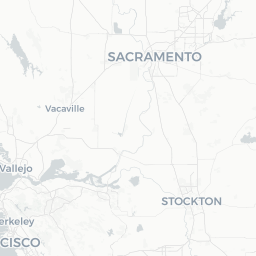
Walnut Creek is a mid-sized city in Contra Costa County, roughly 25 miles east of San Francisco in the Diablo Valley. Despite a population of under 70,000, it punches above its weight with a genuinely walkable downtown, a respected regional theatre, and access to some of the Bay Area's best hiking on the flanks of Mount Diablo.
The city has a reputation as one of the more affluent suburbs in the East Bay, but it earns its appeal through tangible amenities: a compact grid of restaurants and independent shops, the Lindsay Wildlife Experience (one of the few licensed wildlife rehabilitation hospitals open to visitors), and the Lesher Center for the Arts, which hosts professional touring productions and local performances year-round.
Visitors typically use Walnut Creek as a comfortable base for exploring Mount Diablo State Park, the wine country of the Livermore Valley, or the broader East Bay. The BART rail connection to San Francisco makes it an unusually practical suburban stop for travelers who want city access without city prices.
Before You Go
Visas
Walnut Creek is in the United States. For visa requirements specific to your nationality, visit TravelerPulse's Visas section and check the official U.S. Customs and Border Protection or Department of State websites directly.
Climate
Walnut Creek has a warm Mediterranean climate. Summers (June–September) are reliably sunny and dry, with inland temperatures that can reach the high 90s°F (35°C+), noticeably hotter than San Francisco. Winters are mild and occasionally rainy, with temperatures rarely dropping below freezing. Spring and autumn offer the most comfortable conditions for walking and hiking.
What to Pack
- Layers: Bay Area microclimates mean coastal fog and inland heat can coexist. Evenings cool significantly even in summer.
- Sun protection: Summer heat and bright sun are the norm.
- Comfortable walking shoes: Downtown and trailheads are both on the agenda for most visitors.
- Check trail conditions at Mount Diablo State Park before you go, especially after winter rains.
Getting There
By BART
The most straightforward way to reach Walnut Creek from San Francisco or Oakland is via BART (Bay Area Rapid Transit). The Walnut Creek BART station sits on the Yellow Line and is an easy walk or short rideshare to downtown. Journey time from San Francisco's Embarcadero station is roughly 40–50 minutes. Verify current schedules and fares at bart.gov.
By Car
Walnut Creek is accessed via Interstate 680 from north or south, and Highway 24 from Oakland and Berkeley to the west. Traffic through the Caldecott Tunnel on Highway 24 can be heavy during morning and evening commutes. Parking in downtown Walnut Creek includes public garages and street meters; verify current rates locally.
By Air
The nearest major airports are Oakland International (OAK), roughly 20 miles west, and San Francisco International (SFO), roughly 35 miles southwest. Both connect to Walnut Creek via BART, though a transfer is required from SFO. Mineta San José International (SJC) is also within reasonable driving distance.
Getting Around
Walnut Creek's downtown core is compact and walkable. Most restaurants, shops, and cultural venues are within a comfortable walk of the BART station and of each other.
For destinations outside downtown — including Lindsay Wildlife Experience, Heather Farm Park, and trailheads — a car, rideshare (Uber and Lyft operate here), or bicycle is useful. County Connection bus service covers the broader city and connects to neighboring communities; check cccta.org for current routes and schedules.
Mount Diablo State Park requires a car or a rideshare to the park entrance; there is no direct public transit to the summit road. Once in the park, travel is by personal vehicle or on foot.
Things to See & Do
Mount Diablo State Park
Mount Diablo rises to 3,849 feet and on clear days offers one of the widest panoramic views of any peak in North America outside Alaska. The park has extensive hiking and mountain biking trails at multiple difficulty levels, as well as a summit road accessible by car. Entry fees apply; verify current rates at the California State Parks website or at the park entrance.
Lindsay Wildlife Experience
Located at Larkey Park, the Lindsay Wildlife Experience is a working wildlife rehabilitation hospital and public museum. It houses native California animals that cannot be released into the wild, including raptors, owls, and reptiles. It is a particularly good stop for families. Verify current admission fees and hours at lindsaywildlife.org.
Lesher Center for the Arts
The Lesher Center is a multi-venue performing arts complex in downtown Walnut Creek hosting theatre, dance, comedy, and music. The resident Center Repertory Company stages professional productions seasonally. Check the current schedule at lesherartscenter.org.
Downtown Walnut Creek
The pedestrian-friendly downtown has a mix of national retailers and independent boutiques, plus a dense concentration of restaurants. The Walnut Creek Art & Wine Festival (typically held in May) and the Downtown Farmers Market are worth timing a visit around — verify current dates locally.
Heather Farm Park
A large community park with a pond, walking paths, a community garden, and a garden pavilion. It is a good low-key option for a morning walk or a picnic.
Food & Drink
Walnut Creek has a notably strong restaurant scene for a city its size, reflecting both its affluent demographics and its role as a dining hub for surrounding communities. Downtown Broadway Plaza and the surrounding blocks concentrate much of the dining activity.
The range spans casual cafés and fast-casual spots suitable for a quick lunch through to upscale American and internationally influenced restaurants appropriate for a sit-down dinner. Wine bars are well represented, partly reflecting proximity to the Livermore Valley wine region.
A few practical notes:
- Reservations are recommended on Friday and Saturday evenings at popular spots.
- The downtown area is compact enough to walk between options and compare menus before committing.
- Craft beer and cocktail bars are present if wine is not your preference.
- Verify hours and current menus directly with restaurants, as the dining scene turns over regularly.
Shopping
Broadway Plaza is the anchor retail destination in downtown Walnut Creek — an open-air shopping center with a mix of mid-to-upscale national brands and department stores. It sits within walking distance of the BART station and the broader pedestrian downtown.
Beyond Broadway Plaza, the surrounding streets have independent boutiques, specialty food shops, and local service businesses. For travelers, the downtown is a reasonable place to pick up clothing, gifts, or specialty items without driving to a regional mall.
Practical Information
Emergency Services
In any emergency in the United States, dial 911 for police, fire, or medical assistance.
Health
Walnut Creek has pharmacy chains and medical clinics in the city. John Muir Medical Center, a major regional hospital, is located in Walnut Creek. Verify locations and hours locally or via their website.
Connectivity
Cellular coverage (all major U.S. carriers) is reliable throughout the city. Free Wi-Fi is available at the public library and some cafés. The Walnut Creek Library is on North Civic Drive.
Tipping
Standard U.S. tipping norms apply: 18–20% at sit-down restaurants, $1–2 per drink at bars, and discretionary for other services.
Local Tax
California sales tax applies to most purchases. Walnut Creek's combined state and local rate — verify the current figure with the California Department of Tax and Fee Administration.
Safety
Walnut Creek is consistently ranked among the safer cities in Contra Costa County and the broader Bay Area. Visitors can generally move around the downtown and residential areas without significant concern during daylight hours and into the evening.
Standard urban precautions apply: do not leave valuables visible in parked cars (vehicle break-ins occur across the Bay Area), be aware of your surroundings after dark, and keep personal belongings secure in crowded public areas.
On trails at Mount Diablo, carry sufficient water, particularly in summer when temperatures can be extreme. Rattlesnakes are present in the park and on regional open-space trails; stay on marked paths and watch where you step.