Overview
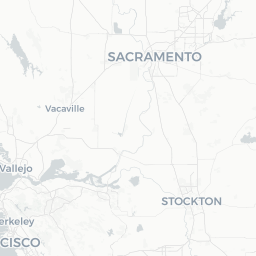
Stockton sits in the heart of California's Central Valley, roughly 85 miles east of San Francisco and 50 miles south of Sacramento. With a population of around 306,000, it is one of the larger inland cities in the state and occupies a strategic position where the San Joaquin River meets an intricate network of delta waterways.
The city has a layered history: founded during the Gold Rush era, it grew as a supply hub for miners and later became an agricultural processing and shipping center. Today its economy is tied to logistics, healthcare, education, and agriculture. The Port of Stockton is one of the few inland deepwater ports on the West Coast, a fact that has shaped the city's commercial identity for well over a century.
Stockton is genuinely one of California's most ethnically diverse cities. Long-established Latino, Southeast Asian (particularly Hmong and Cambodian), South Asian, and Pacific Islander communities give the city a distinct cultural texture that shows up in its food, festivals, and neighborhoods. Travelers who engage with that diversity often leave with a more nuanced picture of inland California than the coast typically offers.
Before You Go
Visas and Entry
Stockton is in the United States. Entry requirements depend entirely on your nationality and travel history. Check TravelerPulse's Visas section and consult the official U.S. Customs and Border Protection website (cbp.gov) or your nearest U.S. embassy for current requirements.
Climate
Stockton has a Mediterranean-influenced valley climate with hot, dry summers and mild, occasionally foggy winters. Summer temperatures regularly exceed 95°F (35°C), and the Sacramento–San Joaquin Delta can produce thick tule fog in December and January that affects driving conditions significantly. Spring and autumn are the most comfortable seasons for sightseeing.
Health
No destination-specific vaccinations are required. Wildfire smoke from surrounding regions can affect air quality in summer; travelers with respiratory conditions should monitor AirNow (airnow.gov) before and during visits. Tap water is safe to drink.
Practical Prep
- Bring or rent a car; public transit is limited in reach.
- Download offline maps — cell coverage is good in the city but can thin out on delta waterways.
- Cash is useful at farmers markets and some smaller ethnic restaurants.
Getting There
By Air
Stockton Metropolitan Airport (SCK) handles limited commercial and charter flights. Most travelers flying in use Sacramento International Airport (SMF), roughly 50 miles north, or San Francisco International Airport (SFO), about 85 miles west. Rental cars are the most practical option from either hub.
By Car
Interstate 5 runs north–south through the western edge of the city; Highway 99 passes through the eastern side. Both connect Stockton to Sacramento (about 50 miles), Fresno (about 150 miles), and the Bay Area via various routes. Traffic on I-5 and the Bay Bridge corridor can be heavy during commute hours.
By Train
Amtrak's San Joaquins route stops at Stockton's Downtown Amtrak Station on San Joaquin Street, connecting the city to Sacramento, Oakland, and Bakersfield. Verify current schedules and fares at amtrak.com.
By Bus
Greyhound and other intercity bus operators serve Stockton. Check current routes and schedules directly with operators, as service patterns change.
Getting Around
By Car
A personal or rental car is the most practical way to get around Stockton. The city is spread out, and many points of interest — particularly along the delta channels — are not easily reached by transit.
Public Transit
San Joaquin Regional Transit District (SJRTD), known locally as RTD, operates bus routes across the city. Fares and schedules are available at sanjoaquinrtd.com. Service is adequate for downtown and major corridors but limited for outlying neighborhoods.
Rideshare
Uber and Lyft both operate in Stockton. Wait times are generally reasonable in central areas but can be longer in outlying zones.
By Bike
Parts of downtown and the waterfront have bike-friendly infrastructure, and the city has expanded its network in recent years. Verify current bike-share availability locally.
Things to See & Do
Waterways and the Delta
The Sacramento–San Joaquin Delta is Stockton's most distinctive natural feature. The city is interlaced with navigable channels, and boat rentals, kayak tours, and fishing charters operate out of several marinas. Verify current operators and seasonal availability locally or at the visitor bureau.
Haggin Museum
Located in Victory Park, the Haggin Museum houses a notable collection of 19th-century American and European paintings alongside exhibits on local and regional history. It is one of the more substantial art and history museums in the Central Valley. Check current hours and admission at hagginmuseum.org.
Bob Hope (Fox California) Theatre
The restored Fox California Theatre downtown is a historic 1930 movie palace that now hosts concerts, comedy acts, and community events. Check the venue's schedule for current programming.
Pixie Woods
Pixie Woods is a small, charming amusement park inside Louis Park aimed at young children, featuring a carousel, train, and swan paddle boats. It operates seasonally — verify current hours and admission before visiting.
Farmers Markets and Agricultural Stops
Surrounded by some of California's most productive farmland, Stockton has access to excellent seasonal produce. The downtown farmers market and nearby roadside stands are good ways to engage with the region's agricultural identity. Asparagus, cherries, and stone fruits are local specialties depending on the season.
University of the Pacific
The historic campus of University of the Pacific (UOP) is worth a walk for its Ivy League-like architecture and the Brubeck Institute, which honors Stockton-born jazz pianist Dave Brubeck.
Food & Drink
Stockton's multicultural population makes it a genuinely interesting food city, especially for travelers willing to explore beyond downtown. The city has a high concentration of Hmong, Cambodian, Mexican, and Punjabi-owned restaurants that reflect communities with decades of local roots.
What to Look For
- Hmong and Southeast Asian cuisine: Stockton has one of the larger Hmong communities in the United States. Look for Hmong restaurants and grocery stores on the south and east sides of the city.
- Taquerias and Mexican restaurants: A long-established Latino community supports dozens of family-run taquerias, many of which are considered among the best in the Central Valley by local food writers.
- Punjabi and South Asian food: The agricultural history of the region brought significant Punjabi immigration; a number of restaurants reflect that heritage.
- Asparagus: Historically called the "Asparagus Capital of the World," Stockton still celebrates the vegetable — look for it on local menus in spring.
Downtown has seen new restaurant and bar openings in recent years as part of revitalization efforts. The waterfront area near the Stockton Arena has casual dining options. For a more complete picture of the local food scene, check recent reviews on local food blogs or ask at your accommodation.
Practical Information
Emergency Services
Dial 911 for police, fire, or medical emergencies anywhere in the United States.
Hospitals
Stockton has several hospitals and urgent care facilities. St. Joseph's Medical Center and Dameron Hospital are among the established facilities; verify current services and locations locally.
Money
ATMs are widely available. Major credit and debit cards are accepted at most businesses. Smaller ethnic restaurants and market stalls may prefer cash.
Tipping
Tipping is customary in the United States. 18–20% is standard at sit-down restaurants; $1–2 per drink at bars; rounding up for taxis and rideshares is common.
Connectivity
Major US carriers (AT&T, T-Mobile, Verizon) all have good coverage in the city. Free Wi-Fi is available at the public library branches and some coffee shops.
Visitor Information
The San Joaquin County Office of Tourism maintains a visitor resource; verify current contact details at visitstockton.org.
Safety
Stockton has historically had elevated crime rates relative to California averages, and this is worth acknowledging honestly for travelers. Violent crime is concentrated in specific neighborhoods and is largely not connected to tourist activity. Downtown, the waterfront, and the University of the Pacific area are generally considered lower-risk zones where most visitor activity takes place.
Standard urban precautions apply: be aware of your surroundings, avoid leaving valuables visible in parked cars, and use well-lit streets at night. As with any US city, checking recent local news before and during your visit gives you a current picture.
The Stockton Police Department non-emergency line can be found on the City of Stockton's official website (stocktonca.gov). For emergencies, dial 911.
Local Culture & Etiquette
Stockton's cultural identity is significantly shaped by its history as a port and agricultural city that drew waves of immigration. The city has been home to Filipino, Chinese, Japanese, Mexican, and more recently Hmong and Cambodian communities, each of which has left visible marks on neighborhoods, food, and civic life.
Dave Brubeck, one of the most influential jazz musicians of the 20th century, was born in Stockton, and the city maintains a genuine connection to his legacy through the Brubeck Institute at University of the Pacific. The institute hosts events and maintains archives related to his work — check their programming calendar if you have an interest in jazz history.
Stockton hosts various cultural festivals throughout the year, including events tied to its Filipino, Hmong, and Latino communities. Dates and formats vary year to year; the tourism office and local press (The Stockton Record is the main daily newspaper) are reliable sources for current event listings.