Translate
Overview
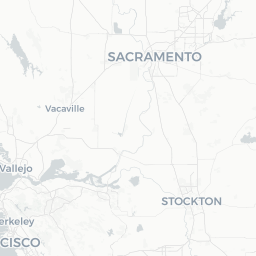
Hayward is a mid-sized city of roughly 158,000 people situated on the eastern shore of San Francisco Bay, in Alameda County. It sits between Oakland to the north and Fremont to the south, making it a practical hub for travelers exploring the broader East Bay region.
The city occupies a transitional landscape: its western edge meets the bay and its extensive tidal marshes, while the eastern hills rise into open space preserves and regional parklands. This geography gives Hayward an outdoorsy character that often surprises first-time visitors expecting a purely suburban experience.
Historically, Hayward developed as an agricultural and industrial center before becoming a commuter city in the post-war era. Today it is one of the more ethnically diverse cities in California, and that diversity is reflected most visibly in its restaurant scene and neighborhood character. It is not a major tourist destination in the traditional sense, but it rewards visitors who appreciate authentic, unpretentious urban California.
Before You Go
Hayward is in the United States. For visa and entry requirements, check TravelerPulse's Visas section and the U.S. Customs and Border Protection website for guidance relevant to your nationality.
Weather
The city has a Mediterranean climate. Summers (June–September) are dry and warm, with highs typically in the 70s°F (low-to-mid 20s°C). The bay moderates temperatures, so extreme heat is uncommon right along the shoreline. Winters (November–February) bring the majority of the annual rainfall; temperatures are mild but damp. Pack a light jacket even in summer, as afternoon breezes off the bay can be cool.
Practical prep
- A car or familiarity with BART (Bay Area Rapid Transit) is strongly recommended; Hayward is not a walkable city in the traditional tourist sense.
- Cell coverage (all major US carriers) and public Wi-Fi are widely available.
- Tap water is safe to drink.
Getting There
By air
The closest airport is Oakland International Airport (OAK), roughly 15–20 minutes north by car or accessible via BART with a connection. San Francisco International (SFO) and San Jose International (SJC) are also within reasonable driving distance—verify current travel times based on your arrival date, as Bay Area traffic is variable.
By BART
Hayward has two BART stations: Hayward and South Hayward. Both are on the Berryessa/North San José and Richmond lines, placing the city within easy rail reach of Oakland, Berkeley, San Francisco, and Fremont. BART is the most reliable way to arrive without a car. Check bart.gov for current schedules and fares.
By car
Interstate 880 runs through the western edge of the city; I-580 skirts the southern hills. Both connect to the broader Bay Area freeway network. Parking is generally easier to find here than in San Francisco or Oakland, though downtown surface lots and garages are the most convenient options.
Getting Around
Within Hayward, a car is the most flexible option. The city is spread out and most points of interest are not clustered in a single walkable district.
AC Transit operates local bus routes throughout Hayward and connects to neighboring cities. Verify current routes and schedules at actransit.org.
BART connects the two Hayward stations to the regional network, making car-free travel feasible if your accommodation is near a station. Rideshare apps (Uber, Lyft) operate throughout the area. Bicycle infrastructure exists but is uneven; the Hayward Shoreline trail is suitable for cycling, though street cycling requires attention to route planning.
Things to See & Do
Hayward Shoreline Interpretive Center
This free facility sits at the edge of the bay's restored tidal marshes and offers exhibits on the ecology of the San Francisco Bay estuary. Trails extend out into the marsh and along the shoreline, making it a good spot for bird-watching, especially during migratory seasons. Confirm current opening hours locally before visiting.
Coyote Hills Regional Park
Located just south of Hayward in Fremont but closely associated with the area, Coyote Hills preserves ancient shellmounds and offers hiking and cycling trails through wetlands and grasslands. Operated by East Bay Regional Park District—check ebparks.org for fees and hours.
California State University, East Bay (CSUEB)
The campus sits in the hills above downtown and offers pleasant views of the bay. The university's gallery spaces occasionally host public exhibitions; verify the current schedule on the CSUEB website.
Downtown Hayward
The historic downtown along B Street and Mission Boulevard has a modest collection of independent shops, cafes, and murals. The area has undergone incremental revitalization and is worth a short stroll to get a feel for the city's everyday character.
East Bay Regional Parks (hill preserves)
The hills east of Hayward are threaded with trails managed by the East Bay Regional Park District. Garin Regional Park and Dry Creek Pioneer Regional Park provide hiking through rolling oak woodland and grassland with bay views on clear days. Check ebparks.org for trailhead access and current conditions.
Food & Drink
Hayward's dining scene is genuinely diverse and largely local in character—chain restaurants exist, but independent spots reflecting the city's Filipino, Mexican, Vietnamese, Portuguese, and other communities are the more interesting choice.
What to look for
- Filipino cuisine: Hayward has a substantial Filipino-American community and several well-regarded Filipino restaurants and bakeries. Look for turo-turo (steam-table) spots for an affordable, authentic meal.
- Taquerias and Mexican bakeries: The city has a long-established Latino community; street-style tacos and pan dulce are easy to find on Mission Boulevard and surrounding streets.
- Vietnamese and pan-Asian: A range of pho shops, banh mi delis, and bubble tea cafes are scattered throughout the city.
- Portuguese-American food: The broader East Bay has a historic Portuguese-American community; a few spots in Hayward reflect this heritage.
Bar culture is modest; craft beer spots and wine bars exist but are less concentrated than in nearby Oakland. Verify specific restaurant hours and current operations before visiting, as the dining landscape changes frequently.
Practical Information
Emergency services
Dial 911 for police, fire, or medical emergencies anywhere in the United States.
Health
Hospital services are available in and near Hayward. St. Rose Hospital is a local facility; verify the nearest appropriate facility for your needs on arrival.
Money
ATMs are widely available. Major credit and debit cards are accepted at virtually all businesses. Contactless payment is common.
Connectivity
Mobile coverage is reliable across all major US networks. Many cafes and public spaces offer free Wi-Fi.
Tipping
Tipping is customary in the United States. A standard tip at restaurants is 18–20% of the pre-tax bill; taxi and rideshare drivers typically receive 15–20%.
Safety
Hayward, like most Bay Area cities, has areas with higher and lower crime rates. Downtown and the shoreline areas generally feel safe during daytime. As with any urban environment, stay aware of your surroundings, keep valuables out of sight in parked cars (vehicle break-ins are a known issue across the broader Bay Area), and use well-lit routes at night.
The city sits near the Hayward Fault, one of the more seismically active faults in the region. Familiarize yourself with earthquake safety basics—drop, cover, and hold on—and note the emergency exits of wherever you are staying. No earthquake preparedness guarantees safety, but basic awareness is sensible when visiting any part of the Bay Area.