Overview
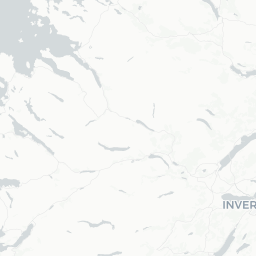
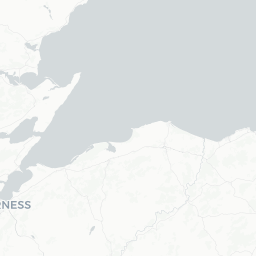
Inverness sits at the northeastern end of the Great Glen, where the River Ness flows into the Beauly Firth. With a population of roughly 48,000, it is the largest city in the Highlands and serves as the region's administrative and commercial hub, though it retains a compact, walkable character that larger Scottish cities lack.
The city is best understood as a place of two roles: a destination in its own right, with a castle, a cathedral, a riverside promenade, and a lively independent food scene, and a staging post for some of Scotland's most dramatic landscapes. Loch Ness, the Cairngorms, Glen Affric, and the North Coast 500 road route are all accessible within an hour or so.
Inverness has been continuously inhabited since Pictish times and received royal burgh status in the twelfth century. Its Victorian-era sandstone buildings, including the red-sandstone castle overlooking the river, give the centre a confident, solid appearance that survives alongside modern retail development. Gaelic heritage is kept alive through local events, the Gaelic school, and bilingual road signs throughout the region.
Before You Go
Visas
Entry requirements for the United Kingdom depend on your nationality, passport type, and purpose of visit. For accurate, current information visit TravelerPulse's Visas section and the UK Visas and Immigration pages on the official GOV.UK website before booking travel.
When to Go
- May–September: Long daylight hours (midsummer sees near-constant twilight), mild temperatures typically between 12–20 °C, and the most reliable weather for outdoor activities.
- October–April: Shorter days, cold and frequently wet, but dramatically quieter. Snow is possible, especially at higher elevations nearby. October and March can be good months to spot the Northern Lights from dark areas outside the city.
- Midges: The biting Highland midge is active from late May through September, especially in still, damp conditions. Carry repellent containing DEET or a physical midge net if you plan time in woodland or beside water.
What to Pack
Layering is essential year-round. Waterproofs and sturdy footwear are advisable even in summer. If you plan hill walking, check gear requirements specific to your route.
Getting There
By Air
Inverness Airport (INV) is located approximately 12 km east of the city centre. It handles domestic routes from several UK cities and a small number of European destinations. Verify current routes and schedules directly with airlines, as provision changes seasonally.
By Train
Inverness railway station is centrally located on Academy Street. ScotRail operates services from Glasgow and Edinburgh; journey times are roughly 3 hours 15 minutes from Edinburgh and around 3 hours from Glasgow depending on the service. A sleeper train operated by Caledonian Sleeper connects Inverness with London Euston overnight, typically taking around 11–12 hours. Confirm timetables and book in advance at busy periods.
By Coach
National Express and Scottish Citylink serve Inverness from Edinburgh, Glasgow, and other Scottish towns. Journey times vary; check current schedules on operators' websites.
By Road
Inverness is reached via the A9 from Perth and the central belt, a scenic but sometimes slow route. Driving from Edinburgh takes roughly 2.5–3 hours in normal conditions. Car hire is available at the airport and in the city, which is useful given that many Highland attractions have limited public transport.
Getting Around
The city centre is compact and easily covered on foot. The River Ness and its bridges mean some navigation is needed, but the main sights, shops, and food options sit within comfortable walking distance of each other.
Local bus services are operated by Stagecoach Highland and cover the city and some surrounding towns and villages. Timetables and fares should be confirmed on the Stagecoach website or at the bus station on Margaret Street.
Taxis are available at the station and airport and can be booked by phone; ride-hailing apps have limited but growing coverage. Cycling infrastructure is improving, and the riverside path is pleasant for a leisure ride, though roads in the wider Highlands can be challenging on a bicycle without planning.
For exploring beyond the city — particularly Loch Ness, Glen Affric, or the North Coast 500 — a hired car gives by far the most flexibility. Day-tour operators also depart from Inverness to key Highland destinations if you prefer a guided experience without driving yourself.
Where to Stay
Accommodation in Inverness ranges from large chain hotels to small independent guesthouses, B&Bs, hostels, and self-catering apartments. The highest concentration of places to stay is in and around the city centre, which suits visitors who want to walk to the river and main sights. A secondary cluster exists near the airport for very early or late flights.
Demand is high in summer (July–August especially) and during events such as the Highland Games season or the Spirit of the Highlands Festival; booking several months in advance is advisable in those periods. Shoulder months (May, June, September) offer better availability and often lower rates.
For those using Inverness purely as a base for the North Coast 500 or wider Highlands exploration, self-catering properties offering weekly lets can be economical. Compare options on accommodation platforms and verify cancellation policies, as Highland properties can have strict terms.
Things to See & Do
In the City
- Inverness Castle: The current red-sandstone structure dates mainly from the nineteenth century and sits on a bluff above the river. A major visitor centre development has been underway; verify current access status before visiting.
- Inverness Cathedral: A Victorian Gothic cathedral on the west bank of the Ness, notable for its twin towers. Generally open to visitors; verify hours locally.
- Inverness Museum and Art Gallery: Free-entry civic museum covering Highland history, natural history, and rotating art exhibitions. Verify current opening hours with the Highland Council.
- Victorian Market: A covered shopping arcade built in 1890, with independent retailers and cafés.
- River Ness Walk: The riverside path running from the city centre toward the Ness Islands — a small landscaped park linked by footbridges — is the city's most pleasant free walk.
Day Trips from Inverness
- Loch Ness: The famous loch stretches roughly 37 km south-southwest. The ruins of Urquhart Castle on its shore and the Loch Ness Centre in Drumnadrochit are the main visitor draws.
- Culloden Battlefield: Managed by the National Trust for Scotland, this is the site of the 1746 battle that ended the Jacobite rising. Located approximately 8 km east of the city; verify opening hours and admission on the NTS website.
- Glen Affric: One of Scotland's most scenic glens, with ancient Caledonian pinewoods. Reachable by car from Inverness in under an hour.
- Cawdor Castle: A medieval castle with associations to Shakespearean legend and formal gardens; verify seasonal opening.
- Black Isle: A peninsula to the northeast with the town of Cromarty and bottle-nosed dolphin-spotting at Chanonry Point on the Moray Firth.
Food & Drink
Inverness has a food scene that punches above the size of the city. Independent restaurants, cafés, and pubs are concentrated around the city centre, the riverside, and the Victorian Market area.
Scottish produce features prominently: Highland beef, venison, freshwater fish, and hand-dived shellfish from the nearby coasts are common on menus. Several restaurants focus on modern Scottish cooking with locally sourced ingredients. Verify current options with recent reviews, as the independent hospitality sector changes.
Pubs in the centre serve Scottish real ales and a broad selection of single malt whiskies. The area is not far from several distilleries; Tomatin, approximately 25 km south on the A9, offers distillery tours and tastings (verify availability on their website). Clava Cairns, a Bronze Age site, is nearby if combining a distillery visit with a heritage stop.
For everyday meals, the city has the full range of supermarkets, casual cafés, and takeaways alongside its restaurants. The bus station area and Academy Street have a concentration of everyday dining options.
Practical Information
Money
The British Pound Sterling (£) is the currency. Cashless payment is widely accepted in shops, restaurants, and hotels. ATMs are available in the city centre and at the main supermarkets. Smaller rural businesses and some markets may prefer cash; carry some if travelling beyond the city.
Connectivity
Mobile coverage in Inverness city is generally good across major UK networks. Coverage degrades significantly in rural Highland areas, including parts of the North Coast 500 and remote glens. Download offline maps before leaving the city for any backcountry exploration. Free Wi-Fi is available in many cafés and the library.
Health
Visitors who are ordinarily resident in the UK are covered by the NHS. Overseas visitors should carry appropriate travel insurance and an EHIC/GHIC card if eligible from their country. The nearest A&E department is Raigmore Hospital, which serves Inverness and the wider Highlands; verify current services locally. For non-emergency medical needs, NHS 111 (call or online) can direct you to the appropriate service.
Emergency Numbers
- Police, Fire, Ambulance: 999 (emergency) / 101 (non-emergency police)
- NHS non-emergency: 111
Accessibility
The city centre is relatively flat along the riverside and main shopping streets, though some older streets and buildings have steps or uneven surfaces. The museum, cathedral, and many restaurants have accessibility provisions; verify ahead of specific visits.
Safety
Inverness is a safe city by most measures. Normal urban precautions apply: be aware of your surroundings at night in busy entertainment areas, keep valuables secured, and do not leave items visible in hire cars.
The primary safety consideration for most visitors is the Highland landscape rather than urban crime. If venturing onto hills or into remote areas, inform someone of your route and expected return time, carry a map and compass (GPS alone is not reliable in all conditions), appropriate clothing, and extra food and water. Weather in the Scottish Highlands can change rapidly and severely even in summer. Mountain Rescue services can be reached via 999 and asking for Police Scotland, who coordinate rescues.
Road safety on single-track Highland roads is important for drivers: passing places are used both to overtake and to allow oncoming vehicles to pass. Deer crossing roads is a genuine hazard, particularly at dawn and dusk.
Local Culture & Etiquette
Inverness sits at the intersection of Lowland Scottish, Highland, and Gaelic cultural traditions. While English is the everyday language, Gaelic remains an active part of local identity: there is a Gaelic-medium school, Gaelic-language broadcasting through BBC Alba (headquartered in the city), and occasional Gaelic-language events.
Highland Games are held throughout the region in summer, with traditional athletic events, pipe bands, and dancing. The Inverness Games themselves are held annually; verify current dates. Ceilidh dancing events take place year-round at local venues and are welcoming to visitors who have never danced before.
The legacy of Jacobite history, the Highland Clearances, and clan culture shapes local identity in nuanced ways. The Clearances — the forced displacement of Highland communities primarily in the eighteenth and nineteenth centuries — are a sensitive and important part of this history, acknowledged in local museums and community memory. Approaching this history with respectful curiosity is appropriate.