Translate
Overview
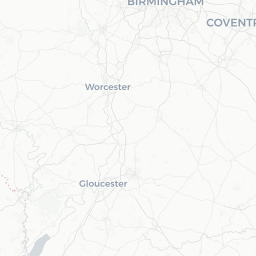
Worcester (pronounced 'WOO-ster') is a cathedral city of around 100,000 people set on the River Severn in the English West Midlands. It has been continuously inhabited since Roman times and rose to prominence as a medieval trading centre for wool and gloves. Today it is best known for its Norman-to-Gothic cathedral, its association with composer Edward Elgar, and the manufacture of Worcestershire sauce — a condiment recognisable on tables worldwide.
The city centre retains a compact, walkable medieval street pattern. The Commandery, a timber-framed building dating in part to the 15th century, served as the headquarters of King Charles II at the Battle of Worcester in 1651 — the final engagement of the English Civil War. That history sits alongside a lively university town atmosphere generated by the University of Worcester.
Worcester is well placed for exploring the wider county: the Malvern Hills rise to the south-west, the Cotswolds begin to the south-east, and the Vale of Evesham stretches to the south. For travellers passing through England's heartland, the city rewards at least a full day of attention.
Before You Go
Visas
Entry requirements for the United Kingdom depend on your nationality and can change. Check TravelerPulse's Visas section for general guidance, and always verify your specific requirements with the UK Home Office or official government immigration portal before travelling.
Climate
Worcester has a temperate maritime climate. Summers (June–August) are mild, typically 18–22 °C, while winters are cool and damp, rarely dropping far below freezing. Rain is possible year-round; a waterproof layer is advisable regardless of season.
What to Pack
- Comfortable walking shoes — the city centre is hilly in places and many historic sites involve uneven surfaces
- A light rain jacket or compact umbrella
- If visiting the cathedral for an extended service or concert, a warm layer is useful even in summer
Useful Apps and Resources
- National Rail app for train times and booking
- First Bus or Google Maps for local bus routes
- Visit Worcestershire (the county's official tourism website) for events calendars — verify URLs before travel
Getting There
By Train
Worcester has two mainline stations: Foregate Street (closer to the city centre and cathedral) and Shrub Hill (the larger terminus, slightly further out). Direct services run from Birmingham New Street (around 40–50 minutes), Oxford, and London Paddington (via Cotswold Line, typically under two hours). Check National Rail for current timetables and fares.
By Road
The city sits at the junction of the M5 motorway (Bristol–Birmingham corridor) and the A44/A449 routes. Driving from Birmingham takes roughly 30–40 minutes outside peak hours; from London around 2–2.5 hours. Parking in the city centre is available at several pay-and-display and multi-storey car parks — verify current charges and locations on Worcester City Council's website.
By Coach
National Express and other regional coach operators serve Worcester from Birmingham, London, and other major cities. Journey times are longer than train but fares are often lower. Check operator websites directly for current schedules.
Nearest Airports
Birmingham Airport is the most practical international gateway, approximately 30–35 miles north-east. Bristol Airport is around 60 miles south-west. Neither airport has a direct rail link to Worcester; passengers typically travel via Birmingham New Street or connect by road.
Getting Around
The city centre is compact enough to explore comfortably on foot. Most major attractions — the cathedral, The Commandery, the Guildhall, the Museum of Royal Worcester, and the riverside — are within a 15–20 minute walk of each other.
Local Buses: First Worcestershire operates bus services within the city and to surrounding towns and villages. Timetables and fare information are available via the First Bus website or Traveline West Midlands — verify current routes before travel.
Taxis and Ride-Hailing: Licensed taxis are available at ranks near Foregate Street station and in the city centre. Several local minicab firms operate; Uber coverage should be verified locally as availability can be limited in smaller English cities.
Cycling: The Severn Way and other riverside paths make cycling pleasant for leisure. Verify local bike hire availability through the Visit Worcestershire website, as provision changes seasonally.
River Trips: Seasonal boat trips operate on the River Severn from the city centre; confirm availability and departure points locally or on the operator's website.
Where to Stay
Accommodation in Worcester ranges from chain hotels (several well-known groups have properties close to the city centre and near the motorway) to independent guesthouses and B&Bs. A small number of historic buildings have been converted to hotel use.
For atmosphere, properties on or near the riverside or within the medieval city centre tend to book up quickly during cathedral events, cricket fixtures, and the Three Choirs Festival — advance booking is strongly recommended during these periods.
Budget travellers can find guesthouses and hostel-style accommodation; verify current options via booking platforms or the Visit Worcestershire website. Self-catering apartments have also grown in availability and suit longer stays or families.
Given the city's good transport links, some visitors choose to base themselves in Birmingham or the Malverns and visit Worcester as a day trip, which is entirely practical.
Things to See & Do
Worcester Cathedral
The defining landmark of the city, Worcester Cathedral sits on a bluff above the River Severn. Its origins date to 680 AD; the current structure spans Norman, Early English, and Perpendicular Gothic periods. The tomb of King John (d. 1216) and the chantry of Prince Arthur (elder brother of Henry VIII) are highlights of the interior. Entry to the cathedral is generally free, though donations are encouraged and charges may apply for tower tours — verify on the cathedral's official website.
The Commandery
A medieval timber-framed complex that served as King Charles II's Civil War headquarters. It now houses a museum interpreting the Battle of Worcester (1651) and the broader Civil War period. Check opening hours and admission fees on the Worcestershire County Council or museum website before visiting.
Museum of Royal Worcester
Royal Worcester is one of England's oldest porcelain manufacturers, established in 1751. The museum traces the history of the factory and holds an extensive collection of decorative and functional ware. A factory shop adjoins the museum. Verify current opening arrangements before visiting.
New Road Cricket Ground
Widely regarded as one of the most scenic county cricket grounds in England, with the cathedral as backdrop beyond the boundary. Worcestershire County Cricket Club plays here; fixtures and ticket information are available on their official website.
The Greyfriars
A late 15th-century timber-framed merchant's house managed by the National Trust. It offers a rare glimpse of domestic architecture from the period. Verify opening days and admission with the National Trust directly.
River Severn Walks
The riverside path offers pleasant walking north and south of the city centre, passing the cathedral, the county cricket ground, and the historic waterfront area known as Diglis.
Edward Elgar Connections
The composer Edward Elgar (1857–1934) was born in nearby Broadheath and is closely associated with the city and county. A bronze statue stands outside the Guildhall, and the Elgar Birthplace Museum in Crown East is a short drive away — verify opening times with the Elgar Foundation.
Three Choirs Festival
One of the world's oldest choral music festivals, rotating annually between Worcester, Hereford, and Gloucester cathedrals. When hosted in Worcester (typically every third year), it draws significant audiences and offers a wide programme of concerts and events.
Food & Drink
Worcester's food scene ranges from traditional English pub fare to independent restaurants drawing on the produce-rich Vale of Evesham nearby. Locally grown asparagus (in season May–June), Worcestershire fruit, and Herefordshire beef and lamb frequently appear on menus.
Worcestershire Sauce is produced in the city by Lea & Perrins and has been since 1837. While factory tours are not routinely offered to the public, the sauce itself is ubiquitous in local cooking and available in every supermarket.
The Friar Street and Copenhagen Street areas, along with the waterfront around Quay Street and Sidbury, have concentrations of independent restaurants, wine bars, and cafés. The city has a modest but growing speciality coffee scene.
Traditional English pubs are well represented; several historic examples can be found in the city centre and along the river. Real ale enthusiasts should look for locally produced beers from Worcestershire and Herefordshire breweries — ask bar staff for current local offerings as the regional craft ale market changes regularly.
For a market experience, Worcester Market (on the High Street) operates on most weekdays and Saturdays — verify current trading days locally.
Shopping
Shopping in Worcester divides between a mainstream high street and a more individual independent sector. The Shambles — a covered Victorian market hall area — and the streets around Friar Street and New Street contain independent boutiques, antique dealers, and specialist shops in period buildings.
Crowngate Shopping Centre provides the major retail chains and is centrally located. The Museum of Royal Worcester factory shop sells porcelain at various price points including seconds, which can represent good value for collectors.
The nearby village of Pershore and market towns such as Upton upon Severn and Tenbury Wells are worth visiting for antiques and local producers if you have transport.
Practical Information
Emergency Services
In the United Kingdom, dial 999 for police, fire, or ambulance in an emergency. For non-emergency police matters, dial 101. For urgent but non-life-threatening medical issues, NHS 111 is available by phone or online.
Hospital
Worcestershire Royal Hospital provides accident and emergency services. Verify its current address and walk-in centre details via the NHS website before your visit.
Money
Most shops, restaurants, and attractions accept contactless card and mobile payments. ATMs are readily available throughout the city centre. Carrying some cash is advisable for smaller independent traders and market stalls.
Connectivity
Free Wi-Fi is available in many cafés and the city's public library. Mobile coverage (4G/5G) from major UK networks is generally reliable in the city centre.
Accessibility
The city centre's historic street pattern includes uneven surfaces and some steep gradients. Many major attractions have made accessibility improvements — contact individual venues in advance to confirm specific provisions.
Tipping
Tipping is not obligatory in the UK but is customary in sit-down restaurants (typically 10–12.5% if service is not already added to the bill).
Safety
Worcester is a generally safe city by UK standards. Normal urban precautions apply: keep an eye on your belongings in busy areas, particularly around the train stations and city centre on weekend evenings when the nightlife district is active.
The River Severn is prone to seasonal flooding — primarily in late autumn and winter — which can affect riverside paths and occasionally the cricket ground and some low-lying areas. Check Environment Agency flood alerts if visiting after heavy rainfall.
As with any UK city, the area immediately around the main train station after late-night services can be livelier; exercise standard awareness. The cathedral precincts and historic core are quiet and generally very safe at all hours.
Local Culture & Etiquette
Worcester's cultural identity is deeply tied to its history as a cathedral and market city. It has long been associated with the Anglican choral tradition — the cathedral's choir is one of England's oldest — and with classical music through the Elgar connection and Three Choirs Festival.
The city has a significant student population from the University of Worcester, which lends it a younger, more diverse atmosphere than its historic buildings might initially suggest. The university has a campus adjacent to the medieval city centre and has invested in cultural programming.
Local pride is evident in Worcestershire County Cricket, whose ground is one of the most-photographed in England. Cricket season (April–September) brings a particular energy to the riverside.
Worcester's medieval glove-making industry is largely gone, but its legacy is occasionally referenced in local arts and heritage projects. The county as a whole has strong connections to farming and horticulture — the Vale of Evesham in particular is associated with market gardening — and this agricultural identity still surfaces in local food culture and seasonal events.