Translate


Overview
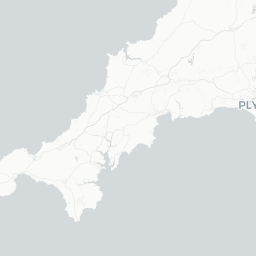
Newquay is a coastal town on the north Cornwall coast, sitting roughly midway along England's far south-western peninsula. With a resident population of around 20,000, it is the largest town in north Cornwall and draws significantly more visitors during summer, many of them drawn by its reputation as the UK's premier surf destination.
The town is built around a series of sandy bays separated by rocky headlands. Fistral Beach, facing directly west into the Atlantic swell, is the most famous of these and regularly hosts professional surf competitions. Other beaches — including Towan, Great Western, Tolcarne, and Watergate Bay — each have their own character and are within easy walking or driving distance of the town centre.
Beyond the beaches, Newquay has a compact town centre with independent cafés, restaurants, and surf shops, plus a small harbour area that dates back to the town's pilchard-fishing and china clay export history. It attracts a wide range of visitors: families, surfers, young groups, and those simply looking for a seaside break in a dramatic natural setting.
Before You Go
Visas
The United Kingdom has its own entry requirements separate from the EU. For visa information specific to your nationality, visit TravelerPulse's Visas section and check the official UK Visas and Immigration website (gov.uk/visas-immigration).
When to visit
- June–August is peak season: warmest air temperatures (typically 17–21 °C), busiest beaches, and the full range of surf schools and activities open. Book accommodation well in advance.
- May and September offer a reasonable balance of pleasant weather and thinner crowds.
- October–April sees Newquay slow down considerably; some businesses reduce hours or close. Surf, however, can be excellent in autumn and winter for experienced surfers.
What to pack
- A light waterproof jacket is advisable year-round; Atlantic weather can change quickly.
- Reef shoes or water shoes are useful if you plan to explore rock pools.
- Sun protection — coastal UV exposure is higher than it feels, especially when there is a sea breeze.
- If surfing, wetsuits are available to hire locally, though serious surfers may prefer their own.
Getting There
By air
Newquay Cornwall Airport (NQY) is located approximately 5 miles (8 km) north-east of the town centre and offers seasonal and year-round domestic routes from several UK cities. International connections are limited; many travellers arriving from abroad fly into London or Bristol and continue by train or car. Verify current routes and schedules directly with airlines or the airport.
By train
Newquay has its own railway station, served by a branch line connecting to the main Great Western main line at Par. Journeys from London Paddington require a change and typically take around 4.5–5 hours. Check National Rail (nationalrail.co.uk) for current timetables and fares, which vary considerably depending on how far in advance you book.
By road
Newquay is accessible via the A30, the main arterial road through Cornwall. From London the drive is roughly 4.5–5 hours in normal traffic conditions, though summer bank holidays can add significant time. National Express operates coach services from several UK cities; verify schedules and journey times at nationalexpress.com.
By bus
First Kernow and other regional operators run bus routes connecting Newquay to Truro, St Austell, and other Cornwall towns. Services become less frequent outside summer.
Getting Around
Newquay's town centre and most of its beaches are compact enough to explore on foot, though the terrain involves a fair amount of slope between the clifftop town and the beach levels below.
Local buses operated by First Kernow serve routes between the town centre, the airport, and surrounding villages. Timetables and fares should be verified at firstbus.co.uk or locally.
Taxis and ride-hailing apps operate in the town, and cycle hire is available from several outlets if you want to explore the wider area — including the Camel Trail, a well-regarded traffic-free cycling and walking path that starts in nearby Padstow.
A car is useful for reaching more remote beaches and attractions across Cornwall, but parking in central Newquay and at popular beaches can be difficult and expensive in peak season. Several pay-and-display car parks are available; check Cornwall Council's website for current options and charges.
Things to See & Do
Beaches
Newquay's greatest draw is its beaches. Fistral Beach is internationally recognised for surf and faces open Atlantic swells; it hosts the Boardmasters festival each summer (verify dates and tickets at boardmasters.com). Watergate Bay is a long, wide strand a few miles north-east of town with a more spread-out feel. Towan Beach and Great Western Beach are close to the town centre and popular with families.
Surfing
Numerous surf schools operate in Newquay, catering to complete beginners through to improvers. Lessons and board hire are widely available, especially at Fistral and Watergate Bay. The British Surfing Association can point visitors toward accredited schools.
Newquay Zoo
Newquay Zoo is a small but well-regarded zoo set within Victorian parkland, home to a range of animals and with a particular focus on conservation. Admission fees and opening hours should be verified at newquayzoo.org.uk.
Blue Reef Aquarium
Situated near Towan Beach, the Blue Reef Aquarium offers displays of marine life including species found in Cornish coastal waters, as well as tropical exhibits. Verify opening hours and admission at bluereefaquarium.co.uk.
Headland walks and coastal path
The South West Coast Path passes through Newquay. Walking the headlands between beaches — particularly around Pentire Point West and the Gannel estuary — offers excellent views and a sense of the rugged Cornish coastline without straying far from town.
Newquay Harbour
The old harbour area in the town centre is worth a short visit for its history and views. The huer's hut — a small whitewashed lookout where watchmen once spotted pilchard shoals — sits above the harbour and is one of the oldest structures associated with Newquay's fishing heritage.
Food & Drink
Newquay has a wide range of dining options, from casual beach-side cafés and fish-and-chip shops to restaurants with more ambitious menus. Seafood features prominently given the town's coastal setting; Cornish crab and locally caught fish are worth seeking out.
The town centre has numerous pubs, bars, and café-style eateries. Watergate Bay in particular has a reputation for quality dining, with a couple of well-regarded restaurants attached to hotels there — verify current offerings locally as the food scene evolves regularly.
For a distinctly Cornish experience, look out for a traditional Cornish pasty (a crimped pastry filled with beef, potato, swede, and onion), which is protected under EU and UK geographical indication rules as a product of Cornwall. Several bakeries in Newquay and across Cornwall sell them freshly made.
Newquay's nightlife is lively during summer and has historically attracted younger visitors; the town centre has a concentration of bars and clubs. Outside peak season the scene is considerably quieter.
Shopping
Newquay's shopping is concentrated in the town centre along Fore Street and Bank Street, and in the Killacourt area near the cliff top. Independent surf shops are plentiful and sell boards, wetsuits, and surfwear from both global and Cornish brands.
Cornish-made food products — including clotted cream, fudge, sea salt, and locally roasted coffee — make practical and popular purchases. Several small gift shops and craft outlets stock locally made goods. For larger or chain retail, Truro (about 12 miles south) offers a wider range.
Practical Information
Emergency services
In an emergency in the UK, dial 999 for police, ambulance, fire, or coastguard. For non-emergency police matters, call 101. The Maritime and Coastguard Agency monitors coastal waters; if you see someone in difficulty at sea, call 999 and ask for the Coastguard.
Healthcare
Newquay has a Minor Injuries Unit; for serious emergencies the nearest major hospital with a full A&E department is the Royal Cornwall Hospital (Treliske) in Truro. Visitors from abroad should carry appropriate travel insurance, as NHS treatment for non-UK residents may not be free depending on your nationality and the UK's current reciprocal health agreements — verify this before travel.
Money
Card payment (including contactless) is widely accepted throughout Newquay. ATMs are available in the town centre. Some smaller stalls and markets may prefer cash.
Connectivity
Mobile coverage in the town centre is generally good across major UK networks; coverage can drop on more remote coastal path sections. Free Wi-Fi is offered by many cafés and some public areas.
Tipping
Tipping is not mandatory in the UK. Leaving 10–15% in restaurants for good service is customary but entirely at your discretion. Many venues now add a discretionary service charge to the bill.
Safety
Newquay is a generally safe destination. The main safety considerations relate to the sea and coast rather than crime.
Beach and water safety
- Always swim or surf at RNLI lifeguarded beaches, between the red-and-yellow flags. Flags and symbols indicate where it is safe to swim and where surf craft operate.
- Rip currents exist at several Newquay beaches, including Fistral. If caught in a rip, do not fight it by swimming directly to shore — swim parallel to the beach until clear of the current, then return to shore.
- The RNLI provides free safety information at rnli.org and at beach-side huts.
- Cliff edges along the coastal path can be unstable; stay on marked paths and away from cliff edges.
General
As with any busy tourist town in peak season, be mindful of your belongings in crowded areas. Newquay town centre can be rowdy late at night in summer due to its nightlife scene; most visitors experience no issues, but it is worth being aware of the atmosphere after dark.