Overview
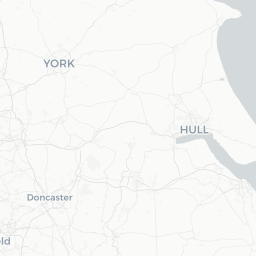
Kingston upon Hull — almost universally called Hull — sits on the north bank of the Humber estuary in the East Riding of Yorkshire, where the River Hull meets the Humber. With a population of around 314,000, it is one of the larger cities in northern England and one that is frequently underestimated by visitors unfamiliar with its depth of character.
Hull's identity is rooted in the sea. For centuries it was one of England's most significant trading and fishing ports, and that legacy shapes everything from its architecture to its accent to its civic pride. The Old Town, a compact grid of medieval streets, contains an unusually high concentration of listed buildings, museums, and historic pubs for a city of its size.
Designated UK City of Culture in 2017, Hull underwent significant regeneration and investment in its arts and cultural infrastructure, and the effects remain visible. The city has an active independent arts scene, a university, and a calendar of festivals that continues to grow. Visitors who take the time to explore tend to leave pleasantly surprised.
Before You Go
Visas
The United Kingdom operates its own immigration system. Requirements vary by nationality. Check the TravelerPulse Visas section for general guidance, and verify your specific requirements on the UK Visas and Immigration official website before booking.
Weather
Hull has a temperate maritime climate. Winters are cool and damp, with temperatures typically between 2–8 °C. Summers are mild rather than hot, generally 16–22 °C. Rain is possible year-round, so a waterproof layer is advisable regardless of when you visit. The city is notably flat and exposed to easterly winds off the North Sea, which can make it feel cooler than the thermometer suggests.
What to Pack
- A waterproof jacket in all seasons
- Comfortable walking shoes for the cobbled Old Town streets
- Layers for variable spring and autumn conditions
Useful Background
Hull uses the same plugs (Type G, three-pin) and voltage (230V) as the rest of the UK. Tap water is safe to drink. The city centre and Old Town are compact enough to explore largely on foot.
Getting There
By Rail
Hull Paragon Interchange is the city's main rail and bus station, located centrally. Direct services connect Hull to Leeds, York, Doncaster, Sheffield, Manchester, and London (via change or direct depending on service). Journey times and frequencies vary; check National Rail for current timetables.
By Road
Hull is reached via the M62 motorway from the west (connecting to Leeds and Manchester) and the A63 locally. The Humber Bridge, one of the longest single-span suspension bridges in the world, connects Hull to Lincolnshire to the south and is itself worth seeing.
By Ferry
P&O Ferries operates overnight crossings between Hull's King George Dock and Rotterdam (Netherlands) and Zeebrugge (Belgium). This is a popular route for travellers arriving from continental Europe. Verify current schedules and fares directly with the operator.
By Air
Hull does not have its own commercial airport. The nearest options are Humberside Airport (approximately 25 miles south, with limited UK and European connections), Leeds Bradford Airport (approximately 55 miles west), and Doncaster Sheffield Airport — though note that airport operational status can change; verify before planning. Manchester and East Midlands airports are further options with more extensive international routes.
Getting Around
On Foot
The Old Town, Fruit Market, and most central attractions are walkable from each other. Hull's flat topography makes walking straightforward, and the distances between key sites are modest.
By Bus
Stagecoach and East Yorkshire Motor Services operate bus routes across the city and into the surrounding region. Hull Paragon Interchange is the main hub. Verify current routes and fares locally or on the operators' websites.
By Taxi and Ride-Share
Taxis are available from ranks at Hull Paragon and around the city centre. Standard UK ride-hailing apps operate in Hull; verify availability at time of travel.
By Bicycle
Hull has a relatively flat landscape that suits cycling. The city has invested in cycle infrastructure in recent years. Bike hire options are worth checking locally, as availability can change.
Things to See & Do
The Deep
One of the world's largest and most distinctive aquariums, The Deep occupies a dramatic angular building at the confluence of the Hull and Humber rivers. It houses thousands of marine animals across exhibits spanning ocean history and conservation. This is Hull's single most-visited attraction. Verify current admission prices and opening hours on The Deep's official website before visiting.
Hull Old Town
The medieval street plan survives largely intact. The High Street, one of England's oldest, runs parallel to the River Hull and is lined with merchants' houses and historic buildings. The Holy Trinity Church (Hull Minster) — one of the largest parish churches in England by floor area — anchors the area, as does the Museum Quarter, which includes the Hull and East Riding Museum, the Streetlife Museum (transport history), and the Wilberforce House Museum, birthplace of anti-slavery campaigner William Wilberforce.
The Fruit Market
The Fruit Market district, south of the Old Town near the waterfront, is Hull's creative quarter. Former warehouse and wholesale buildings now house independent galleries, studios, bars, and restaurants. It has a distinctly local character and is worth an afternoon.
Ferens Art Gallery
Located on Queen Victoria Square, the Ferens is the city's principal public art gallery. Its collection spans old masters, marine paintings, and contemporary work. It was a centrepiece of the 2017 City of Culture programme. Verify opening hours locally.
The Land of Green Ginger
This narrow Old Town alleyway is notable partly for its improbable name — the origin of which remains genuinely disputed — and partly as a snapshot of the city's historic street scale. It featured prominently in 2017 cultural events.
Humber Bridge
A short drive or bus ride from the city centre, the Humber Bridge offers pedestrian and cycle access across the span. The views of the estuary are expansive, and the bridge's scale is impressive up close.
Food & Drink
General Character
Hull's food scene has diversified considerably over the past decade. The Old Town and Fruit Market district contain the highest concentration of independent restaurants, cafés, and bars. The city also has the full range of national chains for those who prefer familiarity.
Local Specialities
- Patties: Hull's own version — a battered and fried potato cake, often sold in chip shops — is a local institution. You are unlikely to find it elsewhere.
- Chip spice: A seasoning blend specific to Hull's fish-and-chip shops. Visitors either love it or are puzzled by it.
- Fish and chips remain central to the culture, unsurprisingly for a city with such deep fishing heritage.
Drinking
The Old Town has a notably high density of historic pubs for its size. Several date back centuries and retain original interiors. The Fruit Market area has a younger, more independent bar culture. Real ale is well represented across both areas.
Practical Notes
Restaurant booking is advisable on Friday and Saturday evenings, particularly in smaller independent venues. Tipping is customary (typically 10–15% if service charge is not already included) but not obligatory.
Shopping
Hull's main retail area centres on Whitefriargate, Prospect Street, and the St Stephen's and Princes Quay shopping centres. These provide the standard range of UK high-street and chain retailers.
For more distinctive shopping, the Fruit Market and Old Town areas have independent shops covering art, vintage goods, crafts, and books. The weekly markets — including the historic Hull Market — are worth checking for local produce and goods; verify current days and locations locally as market schedules can change.
Hull is not typically a primary shopping destination in the way that Leeds or York might be, but it has sufficient options for visitors who want to browse beyond chains.
Practical Information
Emergency Services
The UK emergency number is 999 (police, fire, ambulance). The non-emergency police number is 101. For non-emergency medical advice, call 111 (NHS).
Healthcare
Hull Royal Infirmary is the city's main hospital with an accident and emergency department. EU health insurance cards (EHIC/GHIC) may still be accepted depending on your nationality and the nature of treatment; verify your coverage before travel. Travel insurance with medical coverage is strongly recommended for all visitors.
Money
ATMs are widely available in the city centre and at Hull Paragon. Card payment (including contactless) is accepted almost universally. Carrying some cash is still useful for smaller independent venues and markets.
Connectivity
Free Wi-Fi is available in many cafés, libraries, and public spaces. Mobile coverage from major UK networks is good throughout the city.
Accessibility
Hull's flat terrain is generally helpful for mobility. The Old Town's cobbled streets can be challenging for wheelchairs and pushchairs. The Deep and the Ferens Art Gallery have accessibility provisions; verify specifics on their respective websites.
Safety
Hull is a normal English city, and the precautions appropriate anywhere in urban England apply here. The city centre and Old Town are busy and well-lit during the day and early evening. As with any city, exercising standard awareness of your surroundings and belongings is sensible, particularly late at night around licensed premises.
Hull does not present specific risks to tourists beyond those of any comparable UK city. The emergency number throughout the UK is 999.
Local Culture & Etiquette
Hull has a strong and occasionally fierce civic identity. Locals are proud of the city in a way that can sometimes surprise visitors expecting post-industrial diffidence. The designation as UK City of Culture in 2017 was genuinely transformative in terms of confidence and investment, and that mood persists.
The city has notable connections to several significant historical figures beyond William Wilberforce. Philip Larkin, one of the most important English poets of the twentieth century, worked as a librarian at the University of Hull for many years and is closely associated with the city. Amy Johnson, the pioneering aviator, was a Hull native.
Hull's accent — a distinct East Yorkshire dialect with influences from the city's seafaring history — is one of the more recognisable in England and worth noting so visitors are not caught off guard. Locals are generally forthcoming and direct, which is characteristic of northern English cities broadly.