Overview
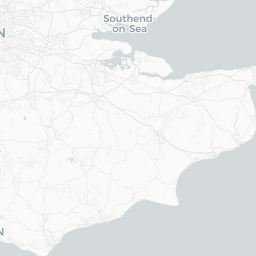
Dover is a port town on the Kent coast of southeast England, sitting at the narrowest point of the English Channel — roughly 34 kilometres from Calais, France. Its position has made it strategically significant for millennia, and that history is visible in layers: Iron Age earthworks, a Roman lighthouse, a Norman castle, and wartime tunnels all occupy the same dramatic clifftop above the town.
The White Cliffs of Dover are the town's most iconic image, formed from chalk with embedded flint and rising to around 110 metres above sea level. They function both as a landmark for arriving travellers and as a genuine nature reserve managed by the National Trust, with walking trails and seabird colonies.
Beyond the cliffs and castle, Dover is a working town with a modest but genuine character. The ferry port — one of the busiest passenger ports in the world — dominates much of the waterfront, giving the town a transient, international feel. Most visitors pass through rather than linger, which means those who do stay tend to find it quieter than its reputation might suggest.
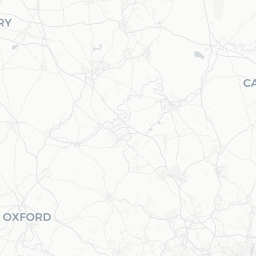
Dover sits within easy reach of Canterbury, Deal, Folkestone, and the Kent Downs, making it a practical base for exploring southeast Kent rather than just a transit point.
Before You Go
Visas
Entry requirements for the United Kingdom depend on your nationality and travel purpose. For accurate, up-to-date visa information, visit TravelerPulse's Visas section and cross-reference with the UK Visas and Immigration service (UKVI) at gov.uk. Requirements have evolved since Brexit, and EU/EEA nationals should confirm what documentation they need before travelling.
What to pack
- Weather in Dover is changeable year-round; layers and a waterproof jacket are advisable even in summer.
- Comfortable walking shoes are strongly recommended if you plan to walk the clifftop trails — paths can be uneven and exposed to wind.
- Binoculars are useful for birdwatching on the cliffs and for viewing France on clear days.
Health and travel insurance
The UK has a public health system (NHS). Travel insurance covering medical expenses is advisable for all international visitors. Verify your coverage before departure.
Getting There
By ferry
Dover's Eastern Docks is one of Europe's busiest ferry terminals, with regular crossings to Calais and Dunkirk in France. Multiple operators run services; frequency varies by season, so check timetables and book in advance during peak summer months, school holidays, and public holidays.
By train
Dover has two main railway stations: Dover Priory (the principal station) and Dover Priory serves direct and connecting services to London St Pancras International and London Victoria, as well as regional services to Canterbury, Folkestone, and other Kent towns. Journey times to London are typically around 1 hour 15 minutes to just under 2 hours depending on service and route. Verify current timetables with National Rail or the operating train companies.
By road
The M20 and A2/M2 motorways connect Dover to London and the wider southeast England motorway network. The Channel Tunnel terminal at Folkestone (Eurotunnel) is a short drive away and provides an alternative rail-based route for vehicles crossing to France.
By coach
National Express and other coach operators run services between Dover and London Victoria Coach Station, as well as some European coach routes connecting through the port. Journey times are longer than rail but fares are often lower.
Getting Around
Dover is a compact town and the main attractions — the castle, the White Cliffs visitor centre, the town centre, and the seafront — are all reachable on foot, though the climb up to the castle and clifftops involves steep gradients.
Local bus services connect the town centre with the port, castle area, and surrounding villages. Stagecoach South East operates most routes in this part of Kent; verify current routes and fares locally or on their website.
Taxis are available at Dover Priory station and the ferry terminal. Ride-hailing apps may have limited availability compared to larger cities.
For the White Cliffs, the National Trust car park at Langdon Cliffs provides the easiest access for those driving. The cliff walk from there to South Foreland Lighthouse and beyond is a popular route.
Things to See & Do
Dover Castle
Managed by English Heritage, Dover Castle is one of the most complete medieval castles in England. Highlights include the Great Tower (a 12th-century keep), the medieval tunnels, and the wartime Secret Wartime Tunnels used during the Second World War, which tell the story of Operation Dynamo — the Dunkirk evacuation. Admission is charged; verify current prices and opening hours at the English Heritage website before visiting.
The White Cliffs of Dover
The National Trust manages the clifftop area east of town. The Langdon Cliffs visitor centre is the main starting point for walks. The path to South Foreland Lighthouse (a Victorian lighthouse, also National Trust) is a well-established route of a few kilometres each way. The cliffs offer views across the Channel and, on clear days, the French coast is visible. Admission to the cliffside walking area is generally free; parking charges and lighthouse entry fees apply — verify locally.
Dover Museum and Bronze Age Boat
The Dover Museum in the town centre houses the world's oldest known seagoing boat, a Bronze Age vessel discovered locally in 1992. The museum covers the town's history from prehistoric times through to the 20th century. Verify current opening hours and admission fees directly with the museum.
Roman Painted House
This small but remarkable site contains some of the best-preserved in-situ Roman wall paintings north of the Alps, dating from the 2nd century AD. It is an underrated attraction that rewards history-minded visitors. Verify opening arrangements before visiting as hours can be limited.
Seafront and Western Heights
The Western Heights fortifications — a complex of early 19th-century military earthworks above the western side of town — are largely open access and offer panoramic views. The Drop Redoubt is a notable structure within the complex. The seafront promenade is suitable for an easy walk, particularly at low tide.
Food & Drink
Dover's food scene is modest and practical rather than destination-worthy in itself. The town centre has a range of cafés, pubs, fish-and-chip shops, and casual restaurants serving international cuisines reflecting the town's port character.
Fish and chips are the obvious local choice given Dover's coastal location. Several chippies operate in and around the town centre and near the seafront. Dover sole — the flatfish — is historically associated with the area, though it appears less commonly on menus than its fame might suggest; look for it in more traditional or seafood-focused establishments.
The National Trust café at Langdon Cliffs is a convenient option for refreshments before or after a cliff walk. There are also café facilities at Dover Castle.
For a wider choice of restaurants and gastropubs, the nearby towns of Deal and Sandwich (both around 15–20 minutes by car) are worth considering as evening dining destinations.
Practical Information
Emergency services
In the UK, the emergency number for police, fire, and ambulance is 999. The non-emergency police number is 101.
Money
Most businesses in Dover accept major debit and credit cards. Cash machines (ATMs) are available in the town centre and at the ferry terminal. Some smaller establishments may prefer or require cash — carry a small amount as backup.
Connectivity
Mobile coverage is generally good in the town centre and on the clifftops, though it can vary. Be aware that if your phone searches for French networks from the clifftops, you may inadvertently connect to EU roaming. Check your mobile plan's roaming policy if you are not a UK domestic user.
Luggage storage
If passing through, left-luggage facilities may be available at Dover Priory station or the ferry terminal — verify availability and hours locally before depending on them.
Tourist information
The Visit Kent website (visitkent.co.uk) and the English Heritage and National Trust websites are reliable sources for up-to-date information on major attractions.
Safety
Dover is generally a safe town for visitors. As with any port town, the area immediately around the ferry terminal and some parts of the town centre can feel busy and transient, but serious safety concerns for tourists are uncommon.
The clifftop walks require common sense: stay on established paths, keep away from cliff edges (erosion means edges can be unstable), and be aware of weather conditions — wind and rain can arrive quickly and the paths can become slippery. The National Trust provides guidance on safe walking routes at Langdon Cliffs.
Standard urban precautions apply: keep an eye on belongings in crowded areas such as the ferry terminal and train station, particularly during peak travel periods.