Overview
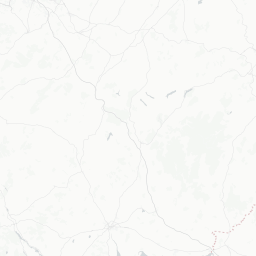
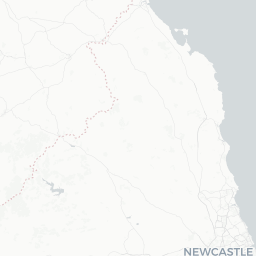
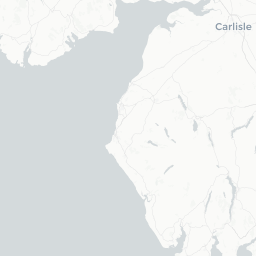
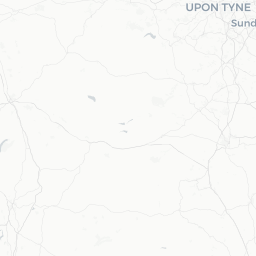
Carlisle is a compact cathedral city in Cumbria, in the far north-west of England, sitting close to the Scottish border. With a population of around 78,000, it is the administrative centre of the county and one of England's most historically significant border cities. Its position between the Lake District to the south, Hadrian's Wall to the east, and Scotland just to the north has shaped its entire history.
The city's character is defined by centuries of border conflict and commerce. Romans, Vikings, and medieval English and Scottish kings all left their mark here. Today Carlisle balances that layered past with a functioning market city atmosphere — independent shops, a covered market, and a pedestrianised centre sit alongside ancient sandstone walls and a Norman castle.
Carlisle is not a major international tourist destination, which works in a visitor's favour. Crowds are manageable, prices tend to be lower than comparable southern cities, and locals are straightforward and welcoming. It functions especially well as a base for day trips rather than a standalone multi-day destination.
Before You Go
Visas
Carlisle is in the United Kingdom. Visa requirements vary significantly depending on your nationality. Check TravelerPulse's Visas section for general guidance, and always verify your specific requirements with the UK Visas and Immigration authority (UKVI) before travelling.
Climate
Carlisle has a cool, temperate maritime climate. Summers (June–August) are mild rather than hot, with average highs typically in the mid-to-upper teens Celsius. Rain is possible year-round. Winters can be cold, with occasional frost and, less commonly, snow. Pack layers regardless of the season, and a waterproof outer layer is strongly recommended.
What to Pack
- Waterproof jacket and walking shoes or boots
- Layers for variable temperatures
- Comfortable shoes for cobbled streets around the castle and cathedral
- If visiting Hadrian's Wall, sturdy footwear and additional warm layers are advisable even in summer
Getting There
By Rail
Carlisle railway station (Citadel Station) is a major rail hub for the north of England and southern Scotland. Direct services connect it to London Euston (approximately 3.5 hours on Virgin/Avanti West Coast services — verify current operators and times), Edinburgh, Glasgow, Newcastle, Leeds, and Manchester. The station is centrally located, a short walk from the city centre.
Carlisle is also the northern terminus of the Settle–Carlisle line, one of England's most scenic railway journeys, connecting through the Yorkshire Dales. It is similarly connected to the Cumbrian Coast Line westward toward Barrow-in-Furness.
By Road
The M6 motorway runs directly through Carlisle, making it easily accessible by car from the south (the Lake District, Manchester, and London) and linking northward to Scotland via the A74(M). Journey times by road vary significantly with traffic — verify current estimates before travel.
By Air
Carlisle Lake District Airport is a small regional airport; check its current route availability as services can change. Newcastle Airport and Manchester Airport are the more practical options for international arrivals, with onward travel by rail or road to Carlisle.
Getting Around
Carlisle city centre is walkable. The castle, cathedral, market, and main shopping streets are all within comfortable walking distance of each other and of the railway station.
Local bus services connect the city centre to surrounding residential areas and some nearby villages. Stagecoach operates many routes in Cumbria — verify current routes and timetables on their website or locally.
For reaching Hadrian's Wall sites, the Lake District, or the Scottish border, a car is the most flexible option. Taxis and private hire vehicles are available in the city. Cycling infrastructure exists but is limited; verify bike hire availability locally.
Things to See & Do
Carlisle Castle
The castle dates from Norman times and has been continuously used for nearly 900 years, including as a prison for Mary Queen of Scots. English Heritage manages the site. It houses the Regimental Museum of the Duke of Lancaster's Regiment. Admission fees and opening hours vary seasonally — check the English Heritage website before visiting.
Carlisle Cathedral
One of England's smaller cathedrals, it is nonetheless architecturally notable, with fine stained glass and a distinctive decorated ceiling in the choir. Entry is free, though donations are encouraged. It remains an active place of worship.
Tullie House Museum and Art Gallery
This city-owned museum covers Carlisle's Roman history, the story of the Border Reivers, and natural history, alongside a fine art collection. It is considered one of the better regional museums in northern England. Verify current admission charges and opening hours directly with the venue.
Hadrian's Wall
Carlisle sits near the western end of Hadrian's Wall, the Roman frontier built in the 2nd century AD and now a UNESCO World Heritage Site. Nearby sites include Birdoswald Roman Fort and Housesteads (further east). A car or the AD122 bus service (seasonal — verify availability) makes these accessible.
Carlisle Market
The indoor and outdoor market has operated in some form for centuries. The covered market hall and the regular open-air market are good places to browse local produce and everyday goods without tourist markup.
Food & Drink
Carlisle has a practical, unpretentious food scene. The city centre has a range of independent cafés, pubs, and restaurants alongside the usual national chains. English pub food — pies, fish and chips, Sunday roasts — is well represented and generally good value.
The local pub culture is strong. Several traditional pubs are found in and around the city centre, a number of which are historic buildings. Real ale from regional Cumbrian and northern English breweries is commonly available.
For more varied dining, the city has options covering Indian, Chinese, Italian, and other cuisines. The market area and nearby streets have independent options worth exploring. Specific restaurant recommendations are best sourced from current review platforms, as the restaurant landscape changes — verify before visiting.
Shopping
Carlisle's main shopping area is the pedestrianised city centre, anchored by The Lanes shopping centre and the surrounding streets. National retail chains are well represented here.
The covered and open-air markets offer a more local flavour, with stalls selling fresh produce, clothing, and household goods. Independent shops are scattered through the centre and worth seeking out for local goods. The city is not a major destination for specialist or luxury shopping, but covers everyday needs well.
Practical Information
Emergency Services
In the UK, dial 999 for police, fire, or ambulance in an emergency. For non-emergency police matters, call 101.
Healthcare
The NHS (National Health Service) provides healthcare. Visitors from countries with reciprocal arrangements may be entitled to free or reduced-cost treatment — verify your situation before travel. The Cumberland Infirmary is Carlisle's main hospital. Pharmacies (chemists) in the city centre can handle minor health queries.
Money
Most businesses accept major debit and credit cards; contactless payment is very widely used in the UK. ATMs are available throughout the city centre. Carry a small amount of cash for markets and some smaller independent venues.
Connectivity
Mobile coverage from major UK networks is good in the city centre and along main roads, though it can be patchy in remote rural and upland areas around Hadrian's Wall and the Lake District. Free Wi-Fi is available in many cafés, the library, and some public spaces.
Safety
Carlisle is a generally safe city by UK standards. Normal urban precautions apply — be aware of your belongings in busy areas, and exercise the usual caution at night in and around pub and bar districts.
The weather, particularly when venturing out to Hadrian's Wall or the surrounding fells, poses more practical risk than crime. Conditions can change quickly, and unprepared walkers sometimes get into difficulty. Dress appropriately, carry a map and fully charged phone, and inform someone of your plans if hiking in remote areas.
For countryside emergencies, dial 999 and ask for Mountain Rescue if applicable.