Overview
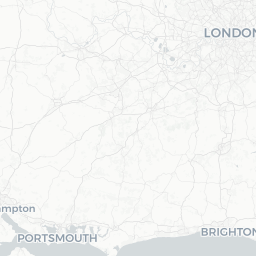
Brighton is a coastal city on the East Sussex coast, roughly 80 kilometres south of London. It sits within the Brighton & Hove unitary authority, which was granted city status in 2000. With a population approaching 285,000, it is one of the larger urban centres on England's south coast.
The city has a long history as a seaside resort, popularised in the 18th and 19th centuries partly by royal patronage — most visibly embodied in the exotic Royal Pavilion built for the Prince Regent. Today Brighton is known for a dense concentration of independent restaurants, bars, record shops, vintage clothing, and galleries, alongside a prominent university population and one of the UK's most visible LGBTQ+ communities.
The seafront stretches from the preserved Victorian West Pier (now a ruined iron skeleton) eastward past the Brighton Palace Pier, which still operates fairground rides and amusements. Inland, the South Downs National Park begins almost immediately at the city's northern edge, offering walking and cycling terrain within a short distance of the beach.
Before You Go
Visas
Brighton is in England, United Kingdom. Entry requirements depend on your nationality and travel history. Check the TravelerPulse Visas section and the UK Visas and Immigration official website (gov.uk) for current rules before booking.
When to visit
- May–September: warmest and sunniest months; the beach is at its most lively. August is the busiest and most expensive period.
- Brighton & Hove Pride (typically late July or early August): one of the UK's largest Pride events; book accommodation well in advance and expect higher rates.
- Brighton Festival (usually May): a major arts festival running alongside the community-curated Brighton Fringe.
- October–March: quieter and cooler; many seafront stalls close, but the city's indoor culture, restaurants, and nightlife continue year-round.
What to pack
England's south coast weather is changeable even in summer. A waterproof layer is advisable regardless of season. Comfortable, flat shoes are useful for walking on pebbles and the city's hilly North Laine streets. Brighton is a fairly informal city; smart-casual covers most restaurant and bar dress codes.
Getting There
By rail
Brighton station is the main arrival point for most visitors. Thameslink and Southern services run frequent direct trains from London Bridge, London Victoria, and London St Pancras International. Journey times from central London are typically around one hour, though this varies by service. Trains also connect Brighton with Gatwick Airport, Eastbourne, and other south-coast towns. Verify current schedules and fares at National Rail (nationalrail.co.uk) or the relevant train operators.
By road
Brighton is served by the A23/M23 motorway corridor from London. Driving into the city centre is not recommended: parking is limited and expensive, and much of central Brighton operates residents' parking zones. If arriving by car, consider park-and-ride options or parking on the city's outskirts and continuing by bus or on foot.
By air
Gatwick Airport is the nearest major airport, approximately 45 minutes from Brighton by direct rail. Heathrow and other London airports are accessible but require more travel time and at least one connection or a longer overland journey.
By coach
National Express and other coach operators serve Brighton from London Victoria Coach Station and other UK cities. The journey is generally longer than the train but can be cheaper, particularly when booked in advance.
Getting Around
Brighton's city centre is compact and walkable. The seafront, The Lanes, North Laine, and the Royal Pavilion are all within comfortable walking distance of each other and of Brighton station.
Buses are the main form of public transport within the city. Brighton & Hove Buses operates an extensive network. Current route maps, timetables, and fare information are available at buses.co.uk. Contactless payment is widely accepted on buses.
Cycling is popular and there are designated cycle lanes on several routes. Bike hire schemes operate in the city; verify locally for current availability and docking locations.
Taxis and ride-hailing apps operate throughout the city. Licensed black cabs can be hailed on the street or found at ranks near the station and seafront.
The seafront from the Palace Pier westward is flat and easy to walk or cycle. Heading inland toward North Laine and beyond involves moderate hills.
Things to See & Do
Seafront and beach
Brighton's beach is shingle (pebbles), not sand — worth knowing before you pack a beach mat. The Palace Pier at the eastern end of the seafront is a working Victorian pleasure pier with rides, amusements, and food stalls. The ruined West Pier, further west, is a distinctive landmark and a roosting site for large starling murmurations in autumn and winter.
Royal Pavilion
The Royal Pavilion is Brighton's most distinctive building — an early 19th-century royal residence designed in an Indo-Saracenic style with Chinese-influenced interiors. It is managed by the Royal Pavilion & Museums Trust. Admission is charged; verify current prices and opening times at brightonmuseums.org.uk before visiting.
Brighton Museum & Art Gallery
Located in the same grounds as the Royal Pavilion, Brighton Museum holds collections covering fine and decorative arts, fashion, and local history. Check the Royal Pavilion & Museums Trust website for opening hours and any temporary closures.
The Lanes and North Laine
The Lanes is a tight network of alleyways in the old fishing town core, now lined with antique dealers, jewellers, and independent retailers. North Laine, to the north of the station side of the centre, is a broader bohemian quarter of vintage clothing shops, record stores, cafés, and alternative retailers — distinct in character from The Lanes.
South Downs National Park
The national park boundary is close to Brighton's northern suburbs. The South Downs Way long-distance trail is accessible from the city and offers walking and cycling with views across the Weald and back toward the coast. Devil's Dyke, a dry valley managed by the National Trust, is one of the most visited viewpoints and is reachable by bus from Brighton city centre (verify current bus services locally).
Arts and live music
Brighton has a dense live music scene and numerous arts venues. The Brighton Dome (a Grade I listed building originally part of the Royal Pavilion estate) hosts concerts, comedy, and theatre. The city also has a well-established independent cinema culture, including Cineworld and the Duke of York's Picturehouse, which claims to be the UK's oldest continuously operating cinema.
Food & Drink
Brighton has a broad and varied restaurant scene for a city of its size, with particular strength in vegetarian and vegan dining reflecting the city's demographics. The North Laine area and the streets south of it toward the seafront contain the highest concentration of independent cafés and restaurants.
The Lanes and surrounding streets have a mix of independent and chain restaurants; quality varies considerably, and venues close to the seafront targeting high tourist footfall may not always represent the best value. Exploring side streets and North Laine rewards more discerning choices.
Brighton has a lively pub culture. Some historic pubs date to the 18th and 19th centuries. The city also has a growing craft beer scene, with several taprooms and specialist bottle shops. Kemptown, the neighbourhood east of the Palace Pier, has a particular concentration of LGBTQ+-friendly bars and pubs.
Fish and chips from seafront stalls or nearby shops remains a standard local option. As with any busy tourist seafront, prices and quality at beachfront outlets vary — verify reviews locally before committing.
Shopping
Brighton's shopping character is defined by its independent sector rather than major chains, though Churchill Square shopping centre provides standard high-street retail near the city centre.
The Lanes is the go-to area for antiques, vintage jewellery, and specialist items. It can be crowded on weekends and in summer.
North Laine offers a different retail texture: vinyl records, vintage clothing, comic and book shops, craft supplies, and eclectic homeware. The area runs roughly between Trafalgar Street and North Road, spreading across several parallel streets.
Artisan food shops, independent chocolatiers, and delicatessens are scattered through both areas. The Open Market off London Road is a covered market with a mix of food and general goods stalls.
Practical Information
Emergency services
In any emergency in the UK, dial 999 for police, fire, or ambulance. The non-emergency police number is 101.
Healthcare
The Royal Sussex County Hospital in Kemptown is Brighton's main NHS hospital with an emergency department. UK visitors with an NHS card and overseas visitors from countries with reciprocal healthcare agreements should verify their entitlements before travel. Travel insurance with medical cover is recommended for all international visitors.
Money
Card payment (including contactless) is accepted almost universally in Brighton, including on buses. ATMs are readily available throughout the city centre. Some very small independent traders or market stalls may be cash-only — it is worth carrying a small amount of cash.
Connectivity
Free Wi-Fi is available in many cafés, some public spaces along the seafront, and the train station. Mobile network coverage (4G/5G) is generally good across the city.
Useful websites
- Visit Brighton: visitbrighton.com
- Royal Pavilion & Museums: brightonmuseums.org.uk
- National Rail (train times): nationalrail.co.uk
- Brighton & Hove Buses: buses.co.uk
Safety
Brighton is generally a safe city for visitors. The seafront and main tourist areas are busy and well-lit during summer evenings. Standard urban precautions apply: be aware of your surroundings in crowded areas, keep valuables secure, and be cautious in less-lit streets late at night, particularly around the nightlife areas of West Street and Kemptown at closing time.
The beach and sea carry standard coastal risks. Swimming in the sea is popular but the English Channel can have strong currents and cold water temperatures even in summer. There are no permanently staffed lifeguard services along Brighton beach; exercise caution and observe any posted warning flags.
Brighton is widely regarded as one of the more inclusive cities in the UK. That said, LGBTQ+ visitors and people from ethnic minority backgrounds should be aware that, as in any city, isolated incidents can occur. The city's LGBTQ+ community has a strong local presence and support networks.
Local Culture & Etiquette
Brighton has a well-established identity as a liberal, creative, and countercultural city relative to much of the rest of England. This shapes everything from its politics (the city has returned Green Party MPs to Westminster) to its food, nightlife, and arts scene.
The city has a large student population from the University of Brighton and the University of Sussex (the latter located in the suburb of Falmer), which contributes to the volume and diversity of cultural offerings, particularly live music and independent publishing.
Brighton & Hove Pride is one of the largest and longest-running Pride events in the UK and has significant cultural importance for the city's LGBTQ+ community. The event draws visitors from across the country and internationally; it has deep community roots beyond its current scale as a major public festival.
The Brighton Festival in May and the co-running Brighton Fringe are significant in the UK arts calendar, bringing international theatre, music, visual art, and performance to venues across the city. The 'Open Houses' strand of the festival, where local artists open their homes as exhibition spaces, is a distinctive community-rooted element.