ترجمه
ترجمه


Overview
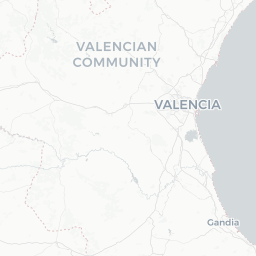
Valencia is Spain's third-largest city, situated on the southeastern Mediterranean coast at the mouth of the Turia river. With roughly 824,000 residents in the city proper and a significantly larger metropolitan area, it balances genuine urban life with approachable scale — neither as overwhelming as Madrid nor as tourist-saturated as Barcelona.
The city is historically layered: Roman foundations, Moorish urban planning, Gothic merchant wealth, and a 20th-century industrial era all left visible marks. Today it is perhaps best known internationally for two things: being the dish from which paella originates, and the City of Arts and Sciences (Ciutat de les Arts i les Ciències), a futuristic cultural and scientific complex that opened in phases from the late 1990s onward.
Valencia's old Turia riverbed, redirected after catastrophic flooding in 1957, was converted into a nine-kilometre linear park that now serves as the city's green spine — one of the more successful urban-planning transformations in modern European history. This mix of liveable infrastructure, a functioning port, active university population, and a strong local food culture gives Valencia a character distinct from other Spanish cities.
Before You Go
Visas
Spain is a Schengen Area member. Visa requirements depend entirely on your nationality and travel history. Do not rely on general summaries — rules change. Check TravelerPulse's Visas section for guidance and verify current requirements directly with Spain's official immigration authority or your nearest Spanish consulate before booking.
Health
No routine vaccinations are required beyond standard travel health precautions. EU/EEA travelers should carry a European Health Insurance Card (EHIC). Non-EU visitors should arrange comprehensive travel health insurance before departure. Pharmacies (farmacias, marked by a green cross) are numerous and can handle minor ailments.
What to pack
- Comfortable walking shoes — the old city is cobblestoned
- Sun protection; UV intensity is high even in spring and autumn
- A light layer for air-conditioned interiors and cooler evenings, especially March–April and October
- Modest clothing if you plan to visit churches
Money
ATMs (cajeros) are widely available. Credit and debit cards are accepted at most hotels, restaurants, and shops, though small neighbourhood bars and markets may be cash-only. Verify charges and fees with your bank before travel.
Getting There
By Air
València Airport (VLC) — officially Aeropuerto de Valencia — is located approximately 8 km west of the city centre. It handles direct flights from many European cities and seasonal long-haul connections. Check current routes and schedules with airlines or flight aggregators, as services change seasonally.
A dedicated metro line (Line 3 and Line 5) connects the airport to the city centre. Journey time to the central Xàtiva station is roughly 20–25 minutes. Taxis and ride-hail services also operate from the terminal. Verify current fares and schedules locally or on the Metrovalencia official website before travel.
By Train
Valencia has two main rail stations: Estació del Nord (the historic city-centre station) and Valencia Joaquín Sorolla, which handles most high-speed AVE services. High-speed trains connect Valencia to Madrid in roughly 1.5–2 hours and to Barcelona in approximately 1.5–3.5 hours depending on service type. Book through Renfe (Spain's national rail operator) or verify current timetables on their official site.
By Bus
Long-distance coach services connect Valencia to other Spanish cities and several European destinations. The main bus station (Estación de Autobuses de Valencia) is near Joaquín Sorolla rail station.
By Car
Valencia is accessible via the AP-7 Mediterranean motorway and the A-3 from Madrid. Driving into the historic centre is restricted; most visitors use park-and-ride facilities or hotel parking. Confirm parking arrangements before arrival.
Getting Around
Metro and Tram
Metrovalencia operates metro and tram lines covering the city and key outer areas including the beach district (Malvarrosa), the airport, and the City of Arts and Sciences. A reloadable T-Usar card is more economical than single tickets for multi-day stays. Check Metrovalencia's official site for current fares and zone maps.
Bus
EMT Valencia runs an extensive city bus network. Real-time arrival information is available via the EMT app and at major stops. Night buses (búhos) serve the city when metro lines are closed.
Cycling
Valencia has a mature cycling infrastructure, including protected lanes along the Turia park and dedicated paths to the beach. Valenbisi is the city's public bike-share system; registration and pricing information is available on the Valenbisi website. Private bike rental shops are common in tourist areas.
Walking
The historic centre (Barrio del Carmen, Cathedral quarter, and the central market area) is compact and walkable. Distances between the old town, the Turia park, and the City of Arts and Sciences are manageable on foot or by bike, though the full stretch is about 4–5 km.
Taxis and Ride-Hail
Licensed taxis are metered. Ride-hail apps operate in Valencia; verify which platforms are active locally at the time of your visit.
Things to See & Do
City of Arts and Sciences (Ciutat de les Arts i les Ciències)
Designed primarily by Santiago Calatrava and Félix Candela, this complex occupies the former Turia riverbed at the park's eastern end. It comprises several buildings including the Hemisfèric (IMAX cinema and planetarium), the Museu de les Ciències Príncep Felip (science museum), the Oceanogràfic (one of Europe's largest aquariums), the Palau de les Arts Reina Sofía (opera house), and the Umbracle (planted walkway). Each venue has its own admission structure; verify current prices and opening hours on the official Ciudad de las Artes y las Ciencias website before visiting.
Mercado Central (Mercat Central)
One of the largest covered fresh-food markets in Europe, operating since the early 20th century in an Art Nouveau–Modernista building. It is a functioning market serving local residents, not primarily a tourist attraction, which makes it more interesting. Visit on a weekday morning for the fullest experience. Verify current opening hours locally, as they differ between weekdays and Saturdays.
Valencia Cathedral and El Miguelete
The Cathedral (Catedral de Santa María de Valencia) blends Romanesque, Gothic, and Baroque elements, reflecting centuries of construction. Its bell tower, El Miguelete, offers a panoramic view over the old city after climbing a narrow spiral staircase. The Cathedral also houses a relic venerated as the Holy Grail, though its historical authenticity is debated by scholars. Verify admission fees and hours on-site or via the diocesan website.
La Lonja de la Seda (Silk Exchange)
A UNESCO World Heritage Site, this 15th-century Gothic civil building served as Valencia's commodities exchange during its period of mercantile prominence. The Hall of Columns (Sala de Contratación) is considered one of the finest examples of late-Gothic civil architecture in Europe. Verify current admission and opening hours with the Valencia city tourism office.
Turia Gardens (Jardí del Túria)
The nine-kilometre park built on the old riverbed is a practical asset for residents and a pleasant through-route for visitors. It contains children's play areas, sports pitches, cycling paths, and at its western end, the Bioparc Valencia (a zoo designed around African habitats). Verify Bioparc admission and hours on the official Bioparc website.
Beaches
The city's main urban beaches — Playa de la Malvarrosa and Playa de las Arenas — are accessible by metro, tram, or bike. They are genuine city beaches: wide, sandy, and equipped with services, but busy in summer. Quieter alternatives north and south of the city require a car or local bus.
Las Fallas (March)
Valencia's most internationally recognized festival takes place in March (around the feast of Saint Joseph). Giant satirical sculptures (fallas) are erected across the city over months, then burned on the final night (La Cremà). The week includes fireworks, the daily Mascletà (daytime firecracker displays in the Plaza del Ayuntamiento), and religious processions. Accommodation books out far in advance; plan accordingly.
Food & Drink
Paella and Rice Dishes
Valencia is the origin of paella, and the authentic Valencian version is distinct from many international interpretations: it is made with short-grain rice, chicken, rabbit, green beans (ferradura), butter beans (garrofó), tomato, olive oil, saffron, and water — not seafood, in the traditional recipe. Seafood paella (paella de mariscos) and mixed paella exist, but locals generally consider them separate dishes. Proper paella is typically cooked in a wide, shallow pan over an open fire or wood and is served at lunch. Many restaurants outside the city's rice-growing Albufera hinterland take shortcuts; look for restaurants that specialize in rice dishes and serve it as the main lunch event.
Other rice dishes worth trying include arroz a banda (rice cooked in fish stock), arroz al horno (oven-baked rice), and fideuà (similar to paella but made with short noodles, originating from nearby Gandia).
Tapas and Local Snacks
- Buñuelos and fartons: traditionally paired with horchata
- Croquetas: widely available in bars
- Esgarraet: a cold dish of roasted red peppers with salt cod and olive oil
- Clóchinas: small Valencia-region mussels, available in season (roughly April–August)
Horchata (Orxata)
A cold drink made from tiger nuts (chufas) grown locally in the Huerta Nord. It is non-alcoholic, milky in colour, and mildly sweet. Traditionally served with fartons (elongated pastries). Granjerias and horchaterías in and around Valencia are the best places to try it; look for establishments displaying 'orxata de chufa' from local producers rather than commercial versions.
Where to Eat
The Ruzafa neighbourhood has a concentration of cafés and restaurants popular with residents. The Barrio del Carmen has many options but also a higher proportion of tourist-oriented restaurants. The area around the Central Market is good for lunch. Restaurants near beaches tend toward seafood and rice specialties but vary widely in quality; local recommendations are worthwhile.
Shopping
Overview
Valencia's main commercial street is Calle Colón, which connects to a pedestrian shopping district extending through the centre. Standard Spanish and international retail brands are concentrated here and in nearby streets.
Local and Artisan Products
- Horchata products and chufas: purchased at horchaterías or specialist food shops
- Ceramic tiles (azulejos): Valencia has a long tradition of decorative tile production; shops near the old town and in Manises (a nearby town historically known for ceramics) sell authentic pieces
- Valencian fans (abanicos): traditional folding fans have been manufactured in the region for centuries; quality varies significantly between tourist-market versions and artisan-made ones
- Local wines: the Valencia DO and nearby Utiel-Requena DO produce wines worth exploring at specialist wine shops
Markets
Beyond the Mercat Central, several neighbourhood markets operate on a district-by-district schedule. A weekly antiques and collectibles market operates near the Cathedral on Sundays — verify its current schedule locally as dates can change.
Practical Information
Emergency Numbers
- General emergency: 112 (pan-European; works from any phone including without a SIM)
- Police (Policía Nacional): 091
- Local Police (Policía Local): 092
- Ambulance/Medical Emergency: 061
Electricity
Spain uses Type C and Type F plugs (two round pins), 230V / 50Hz. Travelers from North America and some other regions will need an adapter and possibly a voltage converter for older devices.
Connectivity
Free public Wi-Fi is available in many cafés, hotels, and some public spaces. Mobile coverage within the city is reliable. EU citizens roaming on EU-issued SIMs generally incur no extra charges (verify with your provider). Non-EU visitors may find a local prepaid SIM economical for longer stays.
Tap Water
Tap water in Valencia is safe to drink but has a noticeably mineral, slightly hard taste that many residents find unpleasant. Bottled water is inexpensive and widely available if preferred.
Tipping
Tipping is not compulsory or deeply embedded in local culture. Rounding up a bill or leaving small change is common in bars and cafés. In sit-down restaurants, a tip of around 5–10% is appreciated for good service but not expected. Avoid leaving tips on the card if possible — cash tips are preferred by staff.
Business Hours (General)
Spanish business hours differ from northern European norms. Many smaller shops and some restaurants close for several hours in the early afternoon. Large supermarkets and shopping centres typically remain open through the day. Verify specific venue hours before visiting, as schedules shift seasonally.
Safety
Valencia is generally a safe city for travelers. Standard urban precautions apply: be aware of your surroundings in crowded areas (markets, public transport, major tourist sites), keep bags zipped and in front of you, and avoid leaving valuables visible in parked cars.
Pickpocketing is the most common issue affecting tourists, concentrated in busy public spaces. The historic centre and beach areas see more incidents during peak season.
The Barrio del Carmen has some streets that can feel quiet at night; this is not necessarily unsafe, but basic awareness is sensible. During Las Fallas and other major festivals, large crowds create additional conditions for opportunistic theft — heightened vigilance is worthwhile.
In the event of a crime, report it to the Policía Nacional. A denuncia (formal complaint) is typically required for insurance claims. Tourists can file a denuncia online via the Spanish police website or in person at a station.
Local Culture & Etiquette
Language
Spanish (Castilian) and Valencian are both co-official languages in the Valencia region. Valencian is a Romance language closely related to Catalan; you will see it on street signs, in official contexts, and in everyday speech. Most residents switch comfortably between the two languages and to English in tourist contexts. Learning a few basic phrases in Spanish is appreciated.
Mealtimes
Valencian (and broadly Spanish) mealtimes differ significantly from those in northern Europe or North America. Lunch is the main meal of the day and typically eaten between 2:00–4:00 PM. Dinner is rarely before 9:00 PM and commonly at 9:30–10:30 PM. Attempting to have a full restaurant dinner at 6:30 or 7:00 PM will often mean finding kitchens not yet open. Embrace the schedule — it means evenings are genuinely social.
Siesta
The midday break is real in Valencia, particularly outside the largest commercial operations. Plan museum visits and shopping around this rhythm.
Las Fallas
This festival is not merely tourism — it is a defining element of local identity. The creative guilds (fallas commissions) spend a full year building the sculptures, which are judged and then destroyed on the same night. Attending respectfully, and understanding that it is a living cultural event rather than a performance staged for visitors, will enrich the experience.
Valencian Identity
Residents often have a distinct regional identity. Referring to Valencia simply as 'just another Spanish city' or conflating it with Catalonia (a common error, given the linguistic similarity) is not appreciated. Show interest in specifically Valencian culture, food, and history.