Overview
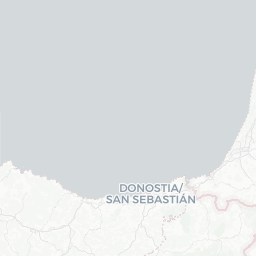
Donostia / San Sebastián sits on the Bay of Biscay in Spain's Basque Country, roughly 20 km from the French border. A city of around 185,000 residents, it carries a reputation that far exceeds its size — most often cited for its extraordinary concentration of high-quality food, both in celebrated fine-dining restaurants and the humble pintxos bars of the Parte Vieja.
The city is built around two headlands — Monte Urgull and Monte Igueldo — with the horseshoe-shaped La Concha bay between them. This geography gives San Sebastián an unusually compact, walkable centre where the beach, the old town, the 19th-century Ensanche (expansion district), and the Gros neighbourhood are all within easy reach of each other.
San Sebastián served as a summer residence for the Spanish royal court in the late 19th and early 20th centuries, which shaped much of its elegant Belle Époque architecture. Today it balances a strong local Basque identity — including the Euskara language, visible on street signs and menus — with a cosmopolitan openness toward visitors. The city hosts the San Sebastián International Film Festival each September, one of Europe's oldest and most prestigious.
Before You Go
Visas
Spain is a Schengen Area member. For visa guidance specific to your nationality, check the TravelerPulse Visas section and consult the Spanish Ministry of Foreign Affairs or your nearest Spanish consulate before travel.
Currency & Payments
The euro is the only currency. Credit and debit cards are widely accepted in hotels, restaurants, and larger shops. Carrying some cash is useful for smaller pintxos bars and market stalls, many of which are cash-preferred.
Health
No vaccinations are specifically required for entry. Travel insurance with health coverage is strongly recommended. EU citizens should carry their European Health Insurance Card (EHIC) for access to public healthcare; visitors from outside the EU should verify coverage with their insurer before departure.
What to Pack
- Comfortable walking shoes — the city rewards pedestrian exploration
- A light waterproof layer; Basque Country weather can be changeable year-round
- Smart-casual clothing if you plan to dine in higher-end restaurants
- Sunscreen for beach visits in summer
Getting There
By Air
The nearest airport is San Sebastián Airport (EAS), located in Hondarribia, approximately 22 km east of the city centre. It handles a limited number of domestic routes. Bilbao Airport (BIO), roughly 100 km west, offers significantly more international connections and is frequently the practical choice for visitors arriving from outside Spain. Biarritz Airport (BIQ) in France is also within roughly 50 km and serves several European routes. Verify current routes and schedules directly with airlines, as connectivity changes seasonally.
By Train
Renfe operates intercity services connecting San Sebastián (Estación del Norte / Donostia-San Sebastián station) to Madrid, Barcelona, and other Spanish cities. Journey times vary; the high-speed network does not yet reach the city directly — confirm current timetables on the Renfe website. EuskoTren, the regional Basque rail network, runs frequent services to towns along the coast and inland.
By Bus
Long-distance bus services connect San Sebastián to major Spanish and some French cities. The main bus station (Donostia Bus) is located near the train station. Several operators serve routes to Bilbao, Madrid, and Pamplona; verify schedules and book in advance during peak periods.
By Car
The AP-8 (Autopista del Cantábrico) and the A-1 motorway provide road access. Be aware that parking in the city centre is limited and can be expensive; using a park-and-ride or parking in the Gros or Amara neighbourhoods and walking or using public transport centrally is advisable.
Getting Around
San Sebastián's compact layout means most central attractions are walkable. The Parte Vieja, La Concha promenade, the Ensanche, and the Gros neighbourhood can all be reached on foot from one another in under 20–30 minutes.
City buses (Dbus) cover the wider urban area and connect to Ondarreta beach and the Monte Igueldo funicular stop. Single and multi-trip cards are available; check current fares and routes at the official Dbus website or at stops.
Taxis are metered and readily available outside the train station, at taxi ranks, and by app. Rideshare apps have limited presence compared to major Spanish cities — verify availability locally.
Cycling is feasible on dedicated lanes along the seafront and riverfront. Several bike rental points operate in the city; verify current operators and pricing locally.
For day trips along the coast, EuskoTren is a convenient and scenic option to towns such as Zarautz, Getaria, and Zumaia.
Things to See & Do
Beaches
La Concha is the city's centrepiece — a sheltered, crescent-shaped urban beach considered one of the finest in Europe. Ondarreta extends west from La Concha and tends to be slightly quieter. Zurriola, in the Gros district, faces the open Atlantic and is popular with surfers.
Old Town (Parte Vieja)
The compact medieval grid east of Monte Urgull is the social heart of the city. Streets like Calle Fermín Calbetón and the square of Plaza de la Constitución are lined with pintxos bars. The Basilica of Santa María del Coro and the Church of San Vicente are the main historic churches.
Monte Urgull
The forested hill rising above the Parte Vieja offers walking trails and panoramic views of the bay and city. At the summit, a large statue of Christ and the remains of the Castillo de la Mota are accessible on foot free of charge — verify any changes to access locally.
Monte Igueldo
Reachable by a historic funicular from the western end of Ondarreta beach, the summit hosts a small amusement park with retro rides and wide views across the bay. Verify current funicular operating times and admission on their official site before visiting.
San Telmo Museoa
Housed in a 16th-century convent with a striking contemporary extension, this museum covers Basque history, society, and art. Check current opening hours and admission on their official website.
Aquarium
The city's aquarium, near the port, is well regarded and particularly popular with families. Verify current admission and hours at the official site.
San Sebastián International Film Festival
Held each September, this is one of the world's oldest film festivals and carries an 'A' rating from FIAF. Public screenings and events run alongside the industry programme; check the official festival site for the annual schedule.
Surrounding Excursions
- Pasaia (Pasajes): A historic fishing harbour a short bus or boat ride from the city
- Hondarribia: A well-preserved walled medieval town near the French border, reached by EuskoTren or bus
Food & Drink
Food is central to life in San Sebastián in a way that goes beyond tourism. The city and its surrounding province of Gipuzkoa hold more Michelin stars per capita than almost anywhere else in the world, with internationally recognised restaurants such as Arzak, Mugaritz, Akelarre, and Martín Berasategui operating in or near the city. Reservations at these establishments typically need to be made weeks or months in advance; check their official websites for current booking procedures.
Pintxos
The more democratic — and equally important — food tradition is the pintxos (pint-chos) bar. These are small, counter-served snacks, typically on bread, evolving from simple anchovies or tortilla to elaborate, creative preparations. The Parte Vieja and Gros are the main pintxos districts. Etiquette: take a plate, help yourself to counter pintxos, order drinks and hot pintxos from the bar staff, and keep your toothpicks to settle the bill (in bars that still use that system) or simply tell staff what you had.
Drinking
Local Basque wines from the Txakoli denomination — light, dry, slightly sparkling whites — are the traditional pairing for pintxos. Sidra (cider) is also deeply embedded in Basque food culture; traditional cider houses (sagardotegis) in the surrounding countryside typically open for the cider season (roughly January–April, verify dates locally). Spanish rioja and other regional wines are widely available.
Markets
The Mercado de la Bretxa and Mercado de San Martín in the Ensanche are good places to browse local produce including salt cod, Idiazabal cheese, and seasonal vegetables. Hours vary; verify locally.
Shopping
Shopping in San Sebastián skews toward quality over quantity. The Ensanche (the 19th-century grid district centred on Calle Hernani, Calle San Martín, and Boulevard) is the main retail area, with a mix of Spanish chain stores and independent boutiques.
Look for locally produced goods: Idiazabal cheese (a smoked or unsmoked sheep's milk cheese with protected designation of origin), txakoli wine, local pastries such as pantxineta and goxua, and premium tinned seafood (anchovies from Getaria, conserved in quality olive oil, are a well-regarded item to bring home).
The Parte Vieja has several specialist food shops and some craft and souvenir retailers, though quality varies. The weekly market schedule and any seasonal fairs are best confirmed locally or through the city's tourism office.
Practical Information
Emergency Numbers
- General emergency (EU standard): 112
- Police (Ertzaintza, Basque regional police): 112 routes to appropriate services
- Verify non-emergency local contact numbers through the city's official website or your accommodation
Tourist Information
The city operates official tourism offices; the main one is near the Kursaal congress centre on Boulevard Zumardia. Staff generally speak English. The official tourism website (sansebastianturismo.com) publishes event listings, transport information, and practical guidance — always cross-check time-sensitive information there as conditions change.
Connectivity
Free public Wi-Fi is available in various locations around the city. SIM cards and data plans for Spain are sold at phone shops and the Donostia-Hondarribia airport. EU roaming rules apply to EU/EEA mobile plan holders.
Electricity
Spain uses 230V/50Hz electricity with Type F (Schuko) round two-pin plugs. Visitors from the UK, US, or elsewhere should bring appropriate adapters.
Tipping
Tipping is not obligatory in Spain and is not expected in the same way as in North America. Rounding up a bill or leaving small change in a bar is customary and appreciated; in fine-dining restaurants, a modest tip for good service is welcome but not mandatory.
Safety
San Sebastián is generally considered one of Spain's safer cities and consistently ranks well in European urban safety indices. Petty theft (pickpocketing, bag-snatching) is far less prevalent than in larger Spanish cities such as Barcelona or Madrid, but standard precautions remain sensible: keep bags close in crowded pintxos bars and on the beach, don't leave valuables visible in parked cars.
The sea at Zurriola beach can produce strong surf and currents; swim within flagged areas and pay attention to lifeguard signals. La Concha bay is generally calmer but observe posted warnings. Mountain weather on Monte Igueldo and surrounding hills can change quickly; dress appropriately for any walking excursions.
For any emergencies, dial 112.
Local Culture & Etiquette
San Sebastián has a strong and openly expressed Basque identity. Euskara (the Basque language) is co-official alongside Spanish and appears on street signs, menus, and public information — often listed first. Learning a few basic Basque phrases (eskerrik asko for 'thank you', kaixo for 'hello') is appreciated, though Spanish will serve you in virtually all practical situations.
The concept of txikiteo — moving between pintxos bars for small drinks and snacks — is a genuine social ritual, not a tourist invention. It typically happens before lunch (around 1–2 pm) and before dinner (around 8–9 pm). Mealtimes run later than in much of Northern Europe: lunch is the main meal, generally between 2–4 pm, and dinner rarely starts before 9 pm. Many restaurants do not open for dinner before 8:30 pm.
San Sebastián celebrates several significant festivals. Tamborrada on 20 January marks the city's patron saint day with an overnight drum parade that begins at midnight in Plaza de la Constitución — one of the more distinctive civic celebrations in Spain. The Semana Grande (Aste Nagusia) in August brings concerts, fireworks, and events across the city. The Jazz Festival in July is internationally recognised.
Basque nationalist sentiment is present and part of daily life. Political murals and symbols may be visible; these are aspects of a complex ongoing regional identity discussion. Visitors are not expected to take a position but should be aware of the context.