Overview
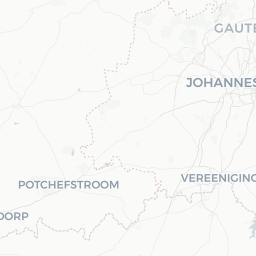
Soweto — a portmanteau of South Western Townships — is a densely populated urban area southwest of central Johannesburg with a population exceeding 1.6 million people. Once a forced residential zone created under apartheid to house Black workers excluded from the city, it has become one of South Africa's most symbolically significant and culturally vibrant destinations.
The township's role in the anti-apartheid struggle is woven into every street. It was the site of the 1976 Soweto Uprising, a turning point in South Africa's history, and the home of two Nobel Peace Prize laureates — Nelson Mandela and Archbishop Desmond Tutu — both of whom lived on Vilakazi Street, reportedly the only street in the world to have been home to two Nobel Prize winners.
Today Soweto is a living, evolving city within a city. Alongside its history museums and memorials, visitors find a thriving food and arts scene, busy commercial streets, shebeens (informal drinking establishments with deep cultural roots), cycle and walking tours, and a population that is broadly welcoming to respectful visitors. It is neither a museum piece nor a poverty tourism destination — it is a functioning urban community with a complex and layered identity.
Most visitors come as a day trip from Johannesburg, though guesthouses and community lodges make an overnight stay increasingly practical and rewarding for those who want a more authentic experience.
Before You Go
Visas
South Africa operates a visa system that varies significantly by nationality. This guide does not list specific visa rules as requirements change. Check the TravelerPulse Visas section and the official South African Department of Home Affairs website for current requirements before booking.
Health
- Soweto is in a malaria-free zone; no malaria prophylaxis is needed for this part of Gauteng.
- Routine vaccinations should be up to date; verify any specific recommendations with your doctor or a travel health clinic before departure.
- South Africa has both public and private healthcare; private facilities in Johannesburg are of a high standard but require proof of insurance or upfront payment. Carry comprehensive travel insurance.
- Tap water in Soweto is generally treated; many visitors prefer bottled water as a precaution.
Practical preparation
- Arrange a guided tour in advance if it is your first visit — this adds historical context and helps with navigation.
- Download offline maps (Google Maps, Maps.me) as data coverage can be patchy in some residential areas.
- Carry some cash in rand; not all local vendors, shebeens, or street stalls accept cards.
- Inform your bank of travel to South Africa to avoid card blocks.
Getting There
From O.R. Tambo International Airport
O.R. Tambo International Airport (JNB), Johannesburg's main international hub, is the primary entry point for most international travellers. Soweto is approximately 40–50 km from the airport depending on your destination within the township. Verify current travel times, as Gauteng traffic can significantly extend journey durations especially during peak hours.
- Metered taxi / e-hailing (Uber, Bolt): The most practical option from the airport. Both Uber and Bolt operate widely in Gauteng. Confirm the route before departure.
- Car rental: Major international rental companies operate at O.R. Tambo. Driving in Soweto is manageable but first-time visitors should be aware that GPS coverage can be inconsistent on residential streets.
- Lanseria Airport: A smaller airport to the northwest of Johannesburg also receives some domestic and regional flights; it is further from Soweto.
From central Johannesburg
Soweto is approximately 15–25 km southwest of central Johannesburg (the CBD and Sandton), making it easily reachable by Uber, Bolt, or private transfer in under an hour outside peak traffic. Many tour operators run guided day trips departing from Johannesburg hotels.
Getting Around
Soweto is large and spread out; walking the whole area is not practical, but specific neighbourhoods such as the Vilakazi Street precinct in Orlando West are very walkable once you arrive.
- Guided tours: The most common and recommended way for first-time visitors. Several reputable operators offer half-day and full-day tours by minibus, bicycle, or on foot, covering key historical sites, local neighbourhoods, and often including a meal. Book in advance and verify operator credentials.
- Bicycle tours: A popular way to experience the streets at a slower pace. Several local organisations run guided cycling tours; verify availability and current operators locally or through your accommodation.
- Uber / Bolt: Reliable for point-to-point travel within the township and for returning to Johannesburg. Coverage is generally good.
- Minibus taxis: The dominant form of public transport used by residents. Practical if you understand the routes; disorienting for first-time visitors unfamiliar with the informal system.
- Driving: Possible with a GPS, but some streets are not well-mapped. Parking near Vilakazi Street can be congested during peak visitor hours.
Where to Stay
Most visitors to Soweto stay in Johannesburg (the CBD, Sandton, Maboneng, or other suburbs) and visit Soweto as a day trip. However, staying within Soweto is increasingly practical and offers a more immersive experience.
- Guesthouses and B&Bs: A number of community-run guesthouses operate in Soweto, particularly in Orlando West near the main visitor sites. Standards vary; check recent reviews on a reputable booking platform and verify that properties are currently operating before booking.
- Township homestays: Some tour operators can arrange overnight homestays with local families. These are best organised through established, vetted operators rather than arranged informally.
- Johannesburg as a base: The majority of accommodation infrastructure — from budget hostels to international hotel chains — is in Johannesburg proper. This is a reliable option for those wanting more lodging choice and easier access to the airport.
- Verify all accommodation bookings directly with the property, particularly for smaller guesthouses, as listing accuracy on third-party platforms can lag behind on-the-ground reality.
Things to See & Do
History and memorials
- Hector Pieterson Museum and Memorial (Orlando West): One of Soweto's most important heritage sites, commemorating the 1976 student uprising. The museum presents a carefully documented account of the events and their broader significance. Verify current opening hours and admission fees on the official City of Johannesburg Heritage sites or directly with the venue.
- Nelson Mandela National Museum (Mandela House, Vilakazi Street): Mandela's former home, now a museum. Verify opening hours and fees locally.
- Walter Sisulu Square (Kliptown): A public square in one of Soweto's oldest areas, with historical significance as the site where the Freedom Charter was adopted in 1955.
- Freedom Square, Kliptown: Worth combining with a visit to the broader Kliptown area to understand the economic and social diversity within Soweto.
Culture and community
- Vilakazi Street: The anchor of most tourist visits — lined with restaurants, craft stalls, and local businesses. It can feel busy and commercialised on weekends; a guided visit adds context.
- Shebeens: Several well-known shebeens in Soweto welcome visitors; your guide can recommend which are appropriate and safe to visit as an outsider.
- Orlando Towers: Former cooling towers converted into an urban adventure and entertainment venue with bungee jumping, abseiling, and a restaurant. Verify current operations before visiting.
- FNB Stadium (Soccer City): Africa's largest stadium, visible from many points in Soweto. Tours may be available; verify locally.
- Soweto Bicycle Tour: An excellent way to reach smaller streets and interact with residents in a respectful, guided context.
Day-trip context
Soweto combines well with visits to the Apartheid Museum (located near Gold Reef City, just outside Soweto's border) and other Johannesburg heritage sites on a broader Gauteng historical itinerary.
Food & Drink
Soweto has a genuine and growing food scene that goes well beyond tourism-facing restaurants on Vilakazi Street.
- Vilakazi Street restaurants: Several sit-down restaurants serving South African and pan-African cuisine are clustered here. Expect dishes such as pap (maize porridge), chakalaka, grilled meats, and stews. Quality varies; asking your guide for a current recommendation is advisable.
- Kota: A distinctively South African township street food — a hollowed-out quarter loaf of bread filled with various combinations of chips, egg, polony, atchar, and other fillings. A cheap, filling, and culturally authentic snack widely available from informal vendors.
- Braai: Outdoor grilling culture is central to South African social life and is especially prevalent in Soweto. If you are invited to a local braai, this is a genuine cultural experience.
- Shebeens: Originally informal drinking establishments, many have evolved into social hubs serving food and cold drinks. Umqombothi (traditional sorghum beer) can be tried in some venues.
- Practical note: Street food and informal vendors are widely available and generally safe to eat from busy, high-turnover stalls. Exercise standard food hygiene judgment. Carry cash as many street vendors do not accept cards.
Shopping
Shopping in Soweto for visitors is primarily centred on craft goods, local art, and cultural items rather than large retail. Vilakazi Street and surrounding areas have stalls selling hand-crafted jewellery, beadwork, wood carvings, textiles, and political memorabilia.
- Prices at craft stalls are often negotiable; approach haggling in a friendly, respectful spirit.
- Be cautious of mass-produced items labelled as handmade; ask vendors about provenance if authenticity matters to you.
- Walter Sisulu Square in Kliptown has a mix of local commerce and some craft traders.
- For mainstream retail, large shopping centres are found in nearby Johannesburg suburbs (Soweto itself has local malls serving residents, primarily oriented toward everyday goods).
- Buying directly from local artisans and community-based shops ensures more of the economic benefit stays within Soweto.
Practical Information
Money
- ATMs are available in Soweto but are more reliably found in shopping centres and established commercial areas. Withdraw cash before venturing into purely residential streets.
- Card payments are accepted at established restaurants, museums, and some tour operators, but not universally.
Connectivity
- Mobile data via South African SIM cards (Vodacom, MTN, Telkom, Cell C) is the most practical connectivity option. SIMs are available at the airport and retail outlets. Data is relatively affordable.
- Free Wi-Fi is available at some cafes and tourist sites; reliability varies.
Electricity
- South Africa uses Type M plugs (large three round pins) at 230V / 50Hz. Bring an adaptor.
- Load shedding (scheduled power cuts) is an ongoing reality in South Africa. Your accommodation should have contingency plans; ask on arrival about the local schedule. The national utility Eskom publishes load shedding schedules; verify current status through the EskomSePush app or similar tools.
Time
- UTC+2 year-round. South Africa does not observe daylight saving time.
Safety
Soweto's reputation for danger is often overstated in international media, but it is important to approach the area with the same situational awareness you would apply in any large urban environment.
- Stick to well-visited areas if you are unfamiliar with the township. The Vilakazi Street precinct and key museum sites are well-frequented and generally safe during daylight hours.
- Use a reputable guide for your first visit. This dramatically reduces the risk of disorientation, inadvertently entering unsafe areas, or becoming a target for opportunistic crime.
- Petty theft — pickpocketing and phone snatching — is the most common risk for visitors. Keep valuables out of sight, use a discreet bag, and avoid using your phone openly in unfamiliar surroundings.
- Avoid walking alone at night in areas you do not know. Arrange transport in advance if returning to Johannesburg after dark.
- Do not leave valuables visible in a parked car.
- Emergency numbers in South Africa: The general emergency number is 112 (mobile networks) or 10111 (police). Verify the current numbers with your accommodation on arrival, as local emergency contacts can be useful.
- Travel insurance with medical evacuation coverage is strongly recommended for all visitors to South Africa.
Local Culture & Etiquette
Soweto has a layered cultural identity shaped by forced resettlement, collective resistance, and decades of community building. Visitors who engage thoughtfully are generally welcomed warmly, but some context helps.
- Photography: Always ask before photographing residents, especially in residential areas away from tourist sites. Museums have their own photography policies — check on arrival. On Vilakazi Street it is broadly accepted but still courteous to ask.
- Poverty tourism: Soweto receives many visitors who have genuine historical and cultural interest, but the township is a living community — not an exhibit. Avoid framing your visit around photographing poverty or treating residents as props. Responsible, community-benefiting tours are widely available.
- Language: Zulu and Sotho are the dominant home languages. A few words of greeting ("Sawubona" in Zulu, "Dumela" in Sotho) are appreciated. English is widely spoken in visitor-facing contexts.
- Tipping: Tipping guides, drivers, and restaurant staff is standard practice in South Africa. Ask your tour operator or accommodation for current local norms.
- Political and historical sensitivity: Apartheid history and its ongoing social legacy are lived realities for many Soweto residents, not abstract history. Listen more than you speak, and approach conversations with genuine curiosity rather than preconceived narratives.