Overview
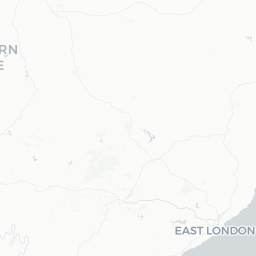
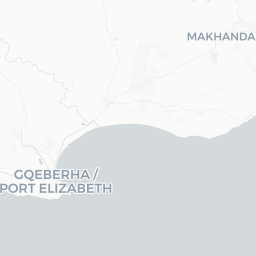
East London sits on the Eastern Cape coast where the Buffalo River meets the Indian Ocean, making it the only river port in South Africa. With a population approaching half a million, it is the largest city in the Buffalo City Metropolitan Municipality and the third-largest urban centre in the Eastern Cape after Port Elizabeth (Gqeberha) and Mthatha.
The city has a dual character: a functioning industrial and commercial hub — home to one of South Africa's major Mercedes-Benz vehicle assembly plants — and a laid-back coastal town with accessible surf beaches, estuaries, and family-friendly parks. It does not attract the same volume of tourists as Cape Town or the Garden Route, which means its attractions tend to be uncrowded and prices relatively modest.
East London carries significant political and cultural weight as part of the Eastern Cape, a province that produced many leaders of the anti-apartheid movement, including Steve Biko, who was born nearby and is commemorated in the city. Visitors with an interest in South African history will find genuine depth here beyond the beaches.
Before You Go
Visas
South Africa operates a tiered visa system that varies by nationality, purpose of travel, and length of stay. Do not rely on generalised summaries. Check TravelerPulse's Visas section for a starting point, then verify your specific requirements directly with the South African Department of Home Affairs or your nearest South African diplomatic mission before booking.
Health
No routine vaccinations are mandated for entry from most countries, but the South African government and the WHO recommend being up to date on standard immunisations. East London itself is at very low malaria risk; however, if you plan to travel onward into parts of KwaZulu-Natal or Limpopo, consult a travel health clinic well ahead of departure. Tap water is generally treated, but verify locally if you are sensitive.
What to bring
- A light windbreaker: coastal breezes can be brisk even in summer
- Sun protection: UV index is high year-round at this latitude
- Power adapters: South Africa uses Type M (BS 546) three-round-pin plugs at 230V/50Hz; Type C and N adapters are also widely used
- Cash and a card: ATMs are accessible in the city centre and malls, but smaller establishments may be cash-preferred
Getting There
By Air
East London Airport (ELS) is located a few kilometres from the city centre and receives scheduled domestic flights. South African Airways, FlySafair, Airlink, and other carriers connect East London to Johannesburg (O.R. Tambo) and Cape Town (Cape Town International). International travellers typically connect through one of those hubs. Verify current routes and schedules with airlines or your booking platform, as domestic offerings change.
By Road
East London is reached via the N2 highway from the west (Port Elizabeth / Gqeberha, roughly 300 km) and from the north via the N6 (Bloemfontein direction). Intercity bus operators including Greyhound/FlixBus, Intercape, and Translux serve routes connecting East London to major South African cities; confirm current schedules and booking on their respective websites. The drive from Gqeberha along the N2 passes through the Sunshine Coast and takes approximately three hours under normal conditions.
By Rail
Passenger rail services to East London exist but are limited in frequency and journey time. Verify current Shosholoza Meyl schedules at Passenger Rail Agency of South Africa (PRASA) before planning a rail journey.
Getting Around
East London is a sprawling city and a private vehicle or hired car gives the most flexibility, especially for reaching beaches south of the city centre and excursions into the surrounding region. Several national car rental companies operate from the airport; book ahead during school holiday periods.
Ride-hailing apps, notably Bolt and Uber, operate in East London and are generally a practical option for getting between the city centre, shopping malls, and closer beach suburbs. Confirm app availability on arrival, as coverage in outer areas can be variable.
Mini-bus taxis are the backbone of public transport for local residents, connecting the city centre with townships and suburbs, but routes and etiquette can be confusing for first-time visitors. If you want to use them, ask your accommodation for guidance on specific routes relevant to your destination.
The beachfront promenade between Orient Beach and Nahoon is walkable and pleasant on foot during daylight hours.
Things to See & Do
Beaches
East London's beaches are its most accessible attraction. Orient Beach, in the city centre, is one of the most popular and has facilities including a tidal pool. Nahoon Beach is a favourite with surfers and is known for reliable waves; the adjacent Nahoon River estuary is a good spot for birdwatching and kayaking. Eastern Beach sits between the two and is family-friendly. Always check local surf and safety signage, and swim between the flags where lifeguards are present.
East London Museum
The East London Museum houses a collection of regional natural and cultural history. It is internationally known among scientists for holding the first coelacanth specimen ever displayed — the coelacanth is a prehistoric fish once thought extinct, first re-discovered in nearby waters in 1938. Verify opening hours and admission fees locally before visiting.
Steve Biko Centre
The Steve Biko Centre in King William's Town (Bhisho/Kingwilliamstown area, about 60 km from East London) commemorates the life and legacy of Black Consciousness leader Steve Biko, who was born in the Eastern Cape. The centre is a significant stop for anyone interested in South Africa's history of resistance. Verify opening days before making the trip.
Mpongo Game Reserve
Located roughly 40 km from the city, Mpongo Private Game Reserve offers guided game drives with the possibility of seeing rhino, giraffe, buffalo, and various antelope. It is a malaria-free destination. Confirm current tours, pricing, and booking directly with the reserve.
Nahoon Point Nature Reserve
This small coastal reserve at the southern end of Nahoon Beach protects fossil footprints estimated to be around 124,000 years old — some of the oldest known anatomically modern human footprints in the world. Access and interpretation vary; verify locally.
Food & Drink
East London's food scene is unpretentious and diverse. The city centre and beachfront suburbs have a range of restaurants covering South African staples, seafood, pizza, and various international cuisines. The Berea and Quigney districts have higher concentrations of restaurants and cafés, while the Vincent Park and Hemingways Mall areas host more chain restaurants and casual dining.
Seafood is a sensible choice given the city's coastal location. Grilled linefish, calamari, and prawns appear on many menus. Look also for traditional South African dishes such as braai (barbecue), bunny chow (hollowed-out loaf filled with curry — a South African favourite), and vetkoek.
The craft beer scene has grown steadily across South Africa, and East London has a handful of venues where local and regional craft beers are available. South African wines, predominantly from the Western Cape, are widely stocked and reasonably priced by international standards.
For self-catering, Checkers, Pick n Pay, and Woolworths Food stores are present in the city's shopping centres and are well-stocked.
Shopping
East London's main shopping is concentrated in enclosed malls rather than street markets. Hemingways Mall in the Greenfields district is one of the largest in the Eastern Cape and carries major South African retail chains, clothing, electronics, and a supermarket anchor. Vincent Park Centre is another large, established mall in a central suburb.
For local crafts and handmade goods, ask your accommodation about informal markets or craft sellers operating at the beachfront. The Eastern Cape has a strong tradition of Xhosa beadwork and basketry; quality and authenticity vary, so buy from vendors where you can have a direct conversation about the work.
East London does not have a large dedicated flea-market culture, but periodic weekend markets do operate — verify what is running during your visit through local listings or your accommodation.
Practical Information
Money
ATMs are widely available in shopping centres and the city centre. Most restaurants, supermarkets, and formal retailers accept major debit and credit cards. Smaller establishments, markets, and taxis may prefer cash. Notify your bank of travel to South Africa before departing to avoid card blocks.
Connectivity
Mobile data coverage from South African networks (Vodacom, MTN, Cell C, Telkom) is generally reliable in the city and along major roads. Purchasing a local SIM card at the airport or a network store is straightforward if you have an unlocked handset and a valid passport.
Emergency Contacts
South Africa's national emergency number is 10111 (police) and 10177 (ambulance). The single emergency number 112 works from mobile phones. Verify the local hospital and private medical facility closest to your accommodation on arrival.
Electricity
South Africa experiences periodic load-shedding (scheduled power outages managed by the national utility Eskom). Check the current load-shedding schedule at the Eskom website or via apps such as EskomSePush before and during your visit, as outages can affect restaurants, ATMs, and accommodation.
Safety
East London, like all South African cities of its size, requires attentive urban awareness. Petty theft — bag snatching, phone theft — is the most common risk in busy public areas, markets, and around the beachfront. Keep valuables out of sight, use a cross-body bag, and avoid displaying expensive cameras or phones unnecessarily in crowded spaces.
The Quigney neighbourhood near the beachfront has historically had a higher incidence of street crime, particularly at night. Take a ride-hail app rather than walking between venues after dark in unfamiliar areas, and ask your accommodation for current advice on which streets to avoid.
Beach safety: rip currents are present at several East London beaches. Swim only at lifeguarded beaches and between the flags. Nahoon in particular is a surf beach with powerful shore breaks; non-swimmers should exercise caution.
Driving: exercise caution at night and be alert to pedestrians on roads, which is a significant road-safety issue across South Africa. Avoid stopping in unlit or isolated areas.
Local Culture & Etiquette
East London sits in the heart of the Eastern Cape's Xhosa cultural region. The isiXhosa language, with its distinctive click consonants, is the dominant home language in the wider metropolitan area and a greeting of molo (singular) or molweni (plural) is warmly received. English is broadly spoken in commercial and tourist contexts.
The Eastern Cape has a profound place in South African political history. This province produced Nelson Mandela (born in Mvezo, near Mthatha), Walter Sisulu, Oliver Tambo, and Steve Biko, among others. An awareness of this history and its ongoing social significance is part of understanding the city and region honestly.
Sunday is observed as a rest day by much of the population; expect reduced trading hours at smaller businesses. Public holidays in South Africa, including Heritage Day (24 September) and Freedom Day (27 April), carry genuine social meaning and may affect services and opening hours.
Dress codes are relaxed in most tourist contexts. Beachwear is appropriate at the beach but considered too casual for restaurants or the city centre. When visiting community areas, townships, or cultural sites, modest dress and a respectful, curious approach are appreciated.