Overview
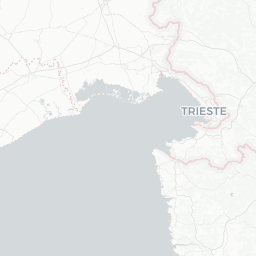
Piran is a small, remarkably well-preserved medieval town on a narrow peninsula jutting into the Gulf of Piran on Slovenia's short Adriatic coastline. With a permanent population of roughly 4,000, it is one of the smallest towns on the northern Adriatic, yet it carries an outsized historical and architectural legacy shaped by several centuries of Venetian rule.
The old town's layout — tight lanes, Gothic and Renaissance stone buildings, a prominent bell tower, and a seafront promenade — closely resembles towns on the Istrian and Dalmatian coasts. That shared heritage reflects the region's long ties to the Republic of Venice, which held Piran from the late 13th century until 1797.
Piran is also the birthplace of the baroque composer and violinist Giuseppe Tartini (1692–1770), whose statue stands at the centre of the elegant Tartini Square. The town draws day-trippers from Portorož, Trieste, and Ljubljana, so mornings and the shoulder season tend to be quieter for those seeking a more relaxed visit.
Because the peninsula's streets are narrow and most of the historic core is pedestrianised, Piran rewards slow, unhurried exploration on foot. It is small enough to walk end-to-end in under twenty minutes, but rich enough in detail — doorways, wells, rooftop terraces, harbour views — to hold attention for a full day or more.
Before You Go
Visas
Slovenia is a member of the European Union and the Schengen Area. Visa requirements vary by nationality. Check TravelerPulse's Visas section and the official Slovenian Ministry of Foreign Affairs website for current entry rules before you travel.
What to pack
- Comfortable walking shoes with grip; cobblestones are uneven throughout the old town.
- Sunscreen and a hat if visiting in summer; the peninsula offers little shade on the waterfront.
- A light layer for evenings, which can be breezy even in July and August.
- Cash: while card payment is widely accepted in restaurants and shops, some smaller vendors and market stalls prefer cash.
Health and insurance
No vaccinations are specifically required for Slovenia. European citizens should carry their EHIC or GHIC card. All other visitors are strongly advised to arrange comprehensive travel insurance before departure.
Crowds and seasonality
July and August are the busiest months; the old town and harbour can feel crowded, particularly midday when tour groups arrive. Parking in and around Piran fills quickly in high season. The shoulder months of May, June, September, and October offer a noticeably calmer atmosphere and comfortable temperatures for walking.
Getting There
By air
The nearest international airports are Trieste – Friuli Venezia Giulia Airport (TRS) in Italy, roughly 40–50 km away, and Ljubljana Jože Pučnik Airport (LJU), approximately 130 km away. Venice Marco Polo Airport (VCE) is another option for those combining a broader Adriatic itinerary. Verify current ground transport links and transfer options on arrival, as these change seasonally.
By bus
Piran is served by local and regional bus routes. The main bus stop is located near the town entrance, outside the old town walls. Direct or connecting services run from Ljubljana, Koper, and Portorož. Arriva Slovenija operates several of these routes; check their website or Slovenian public transport platforms for current timetables and fares.
By car
Piran is reachable via the A1 motorway from Ljubljana toward Koper, then coastal roads south to Piran. Note that private vehicles are generally not permitted in the historic core. A paid parking structure (Fornače) outside the old town is the standard option for drivers; verify current fees and hours locally.
By boat
Seasonal passenger ferry services connect Piran with Trieste, Poreč, Rovinj, and other Istrian ports. Routes and operators vary by year; check locally or with operators such as Trieste Lines or Venezia Lines for current schedules.
Getting Around
Piran's historic peninsula is almost entirely pedestrianised and compact enough that walking is the only practical way to explore it. From the town gate to the furthest point of the peninsula, Punta, is a walk of around 15–20 minutes at a leisurely pace.
A small electric shuttle bus operates between the Fornače parking area and the town centre, useful for those with heavy luggage or limited mobility; verify its current operating hours locally.
For day trips to nearby Portorož, Koper, or Izola, local buses run frequently and the journey times are short. Taxis and ride-hail options are available but less common than in larger cities; ask at your accommodation for recommended local services.
Cycling is possible on routes outside the old town along the coastal path, but bikes cannot be ridden within the pedestrian core.
Things to See & Do
Tartini Square (Tartinijev trg)
The elliptical central square is the social and architectural heart of Piran. It is lined with Venetian Gothic and neoclassical buildings and anchored by the bronze statue of Giuseppe Tartini. The square was created in the 19th century by filling in the inner harbour. It is a good starting point for any walk through the old town.
St. George's Parish Church and Bell Tower
Perched on the highest point of the peninsula, the Church of St. George (Župnijska cerkev sv. Jurija) offers sweeping views over the rooftops and across the Gulf of Piran. The detached bell tower was modelled on the campanile of St. Mark's Basilica in Venice. Visitors can climb the tower for panoramic views; verify opening hours and any admission fees locally before visiting.
Town Walls and Punta
Fragments of Piran's medieval defensive walls survive on the hillside above the old town and can be walked in part. The westernmost tip of the peninsula, Punta, where a small lighthouse stands, is a pleasant spot at sunset. The coastal footpath along the base of the peninsula connects the harbour with Punta.
Sergej Mašera Maritime Museum
Housed in a 19th-century palace on the seafront, this regional museum covers the maritime, fishing, and salt-making history of Slovenian Istria. Verify current opening hours and admission fees on the museum's official website before visiting.
Tartini Memorial Room
A small museum room in the building where Tartini was born preserves instruments, manuscripts, and memorabilia related to the composer. Verify access arrangements locally, as opening times can be limited.
Salt Pans of Sečovlje (Sečoveljske soline)
A short drive or bus ride south of Piran, the Sečovlje Saltpans Nature Park is one of the largest functioning traditional salt pans in the northern Adriatic. The park also houses the Museum of Salt-Making. Entry fees and hours should be verified on the official park website.
Food & Drink
Piran's cuisine reflects its coastal location and its overlapping Slovenian, Italian, and Istrian influences. Fresh Adriatic fish and seafood — sea bass, sea bream, squid, scallops — appear on most menus. Pasta dishes with shellfish and local olive oil are common, as are Istrian-style prosciutto (pršut) and cheese as starters.
The town produces its own sea salt, harvested from the Sečovlje pans, which is sold locally and used by some restaurants. Wines from the surrounding Slovenian Istria region, particularly Malvazija (Malvasia) white and Refošk (Refosco) red, pair naturally with the local food.
Restaurants and konobas (informal taverns) are clustered around Tartini Square and along the harbour promenade. Prices tend to be higher than inland Slovenia, particularly for seafront terraces in July and August. For more relaxed and often better-value eating, look for smaller places in the lanes of the old town rather than those on the main square.
A covered market near the town entrance sells fresh produce, local cheeses, and cured meats; hours vary by season. Several bakeries and small grocery shops throughout the old town cater to self-catering visitors.
Shopping
Piran is a small town and its shopping is correspondingly modest in scale, but a few categories of local products are worth seeking out.
- Piran sea salt and salt-based products: The traditional fleur de sel (cvetna sol) and other salt products from the Sečovlje pans are available in local shops and are a practical and distinctive souvenir.
- Slovenian and Istrian wines: Wine shops in and around the old town stock regional Malvazija, Refošk, and other local varieties.
- Olive oil: Istrian extra-virgin olive oil, including some produced in the Slovenian part of the peninsula, is sold in delicatessens and specialist shops.
- Ceramics and crafts: A small number of artisan shops sell locally made ceramics and decorative items, though visitors should inspect carefully to distinguish locally produced work from imported tourist goods.
Most shops in the old town observe a midday break, particularly outside the peak summer season. Verify opening hours locally.
Practical Information
Emergency contacts
For all emergencies in Slovenia, the general European emergency number 112 connects to police, fire, and ambulance services. The police number is 113. Always verify local emergency contacts on arrival.
Money
ATMs are available near the town entrance and in Portorož. Credit and debit cards are accepted in most hotels, restaurants, and larger shops. Smaller stalls and some cafés may be cash only.
Internet and connectivity
Free Wi-Fi is available in many cafés and hotels. Mobile data coverage (4G) is generally reliable throughout the town and surrounding area.
Electricity
Slovenia uses Type F (Schuko) sockets at 230V/50Hz. Visitors from the UK, US, and some other regions will need an adaptor.
Language
Slovenian is the official language. Italian has co-official status in the Municipality of Piran, and many locals speak it fluently. English is widely understood in tourist-facing businesses. Basic Slovenian courtesies (dober dan – good day; hvala – thank you) are appreciated.
Accessibility
The old town's cobblestone streets and stepped lanes present significant challenges for wheelchair users and those with limited mobility. Some harbour-front areas are more accessible, but full accessibility within the historic core is limited. Contact your accommodation in advance to discuss specific needs.
Safety
Piran is generally a safe destination with low rates of serious crime. The most common issues reported by visitors are petty theft — pickpocketing in crowded areas and occasional bag-snatching near the seafront — particularly during the busy summer months. Standard precautions apply: keep valuables secure, avoid leaving belongings unattended on the beach or at café tables.
Swimming is possible from rocks and small concrete platforms around the peninsula, but there are no lifeguarded beaches within the old town itself. The rocky shoreline can be slippery; water shoes are useful. Check sea conditions locally before swimming, as wind can affect water conditions in the Gulf of Piran.
The sun is stronger than many northern European visitors expect, especially on the reflective seafront. Sunburn is a common issue in summer; use adequate sun protection.
Local Culture & Etiquette
Piran sits in a region where Slovenian, Italian, and broader Istrian cultural identities have long overlapped and sometimes competed. The Italian-speaking community in the municipality has deep historical roots, and the town's architecture, place names (many signposted in both Slovenian and Italian), and culinary traditions reflect this dual heritage.
Giuseppe Tartini is the town's most celebrated historical figure, and his memory is kept alive through the Tartini statue, the memorial room, and the annual Tartini Festival of classical music, held in summer. Check local event listings for current dates and programme details.
The fishing and salt-harvesting traditions of Slovenian Istria, while much diminished commercially, remain part of local identity and are documented in the maritime museum and the Sečovlje Nature Park. Locals tend to take a quiet pride in the town's scale and preservation; visitors who treat the old town respectfully — keeping noise down in residential lanes, not climbing on historic structures — will find a warm reception.