Overview
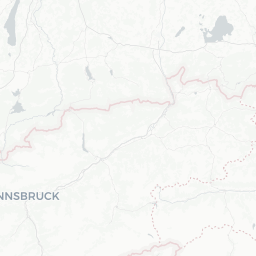
Bled is a small town of around 5,000 people in northwestern Slovenia, set at the edge of a glacial lake in the foothills of the Julian Alps. Its defining image — a Baroque church perched on a small island, framed by forested hills and a medieval castle on a cliff — has made it one of Central Europe's most photographed landscapes. Despite its compact size, Bled draws visitors year-round and has a well-developed tourism infrastructure.
The town sits at roughly 475 metres above sea level, and the surrounding terrain rises steeply into the Triglav National Park, Slovenia's only national park. Lake Bled itself is approximately 2.1 kilometres long and 1.4 kilometres wide, with a perimeter walkable in under two hours. The water is fed largely by underground springs and maintains a notably warmer temperature than nearby mountain streams, making summer swimming genuinely comfortable.
Bled should be understood as a base as much as a destination. From here, travelers access Vintgar Gorge, the Pokljuka plateau, and the broader Julian Alps with relative ease. The town's own sights are modest in number but high in quality, and most visitors find a rhythm of lake walks, castle visits, and day trips into the surrounding countryside.
Before You Go
Visas
Slovenia is a member of the European Union and the Schengen Area. Visa requirements vary significantly depending on your nationality and travel history. Do not rely on this guide for visa decisions — check TravelerPulse's Visas section and consult the official Slovenian Ministry of Foreign Affairs website for current, authoritative information.
When to Go
- June–August is peak season. The lake is warm enough to swim, hiking conditions are excellent, and the town is at its most lively. Expect higher accommodation prices and more crowds, particularly on weekends.
- May and September offer a good balance: pleasant temperatures, thinner crowds, and generally lower prices.
- Winter (December–February) brings snow that transforms the scenery. Some boat services and outdoor activities are reduced, but the atmosphere is quieter and the Christmas period has its own appeal.
- March–April can be unpredictable with changeable weather and some services still in off-season mode.
What to Pack
Even in summer, evenings at altitude can be cool — bring a light layer. If you plan to hike, proper footwear matters; trails above the lake can be steep and rocky. Lake swimming is popular, so a swimsuit is worth packing in warmer months.
Getting There
By Air
The nearest major international airport is Ljubljana Jože Pučnik Airport (LJU), located roughly 35 kilometres from Bled. Several European carriers serve Ljubljana. Transfer options from the airport include shuttle buses, taxis, and rental cars — verify current schedules and operators directly, as services change seasonally.
By Train
Bled does not have a mainline train station directly in town. Lesce-Bled station, served by trains from Ljubljana and other Slovenian cities, is located approximately 4 kilometres from the lake and connects to Bled by local bus or taxi. A separate, smaller station called Bled Jezero (Bled Lake) is on a regional line but has more limited connections. Check timetables on the Slovenian Railways (SŽ) website before travel.
By Bus
Regular bus services run between Ljubljana and Bled, with the journey taking roughly 1.5 hours depending on the route. Buses stop in the town centre, making this a convenient option. Verify current schedules and fares on the Arriva Slovenia or FlixBus websites.
By Car
Bled is accessible via the A2 motorway from Ljubljana (exit at Lesce). Driving gives flexibility for exploring the wider Julian Alps region. Be aware that parking in Bled town centre and near the lake can be limited and costly in peak season. A vignette (motorway toll sticker) is required for driving on Slovenian motorways — verify current requirements before travel.
Getting Around
Bled itself is small enough that most of the lake area and town centre are walkable. The circular path around Lake Bled is approximately 6 kilometres and takes 1.5–2 hours on foot at a comfortable pace — this is one of the most pleasant ways to experience the town.
Local buses connect Bled to nearby villages and attractions including Vintgar Gorge (seasonal service) and Lesce-Bled train station. Taxis and ride-hailing options are available but worth confirming locally. Bicycles can be rented from several outlets in town and are a practical way to cover the lake perimeter and some surrounding trails.
To reach Bled Island, traditional flat-bottomed wooden boats called pletna are the primary option — these are operated by licensed boatmen and depart from several points along the lakeshore. Rowing boat rentals are also available for those who want to reach the island independently. Verify current departure points, hours, and fares locally or on arrival.
Things to See & Do
Bled Island (Blejski otok)
The island in the middle of Lake Bled is home to the Church of the Assumption, a predominantly Baroque structure with origins dating to the medieval period. Visitors climb 99 stone steps to reach the church, where it is traditional for a groom to carry his bride up the steps on their wedding day. A bell in the church tower is said to grant wishes when rung — the rope is accessible to visitors. Access is by pletna boat or rowing boat only.
Bled Castle (Blejski grad)
Perched on a cliff approximately 130 metres above the lake, Bled Castle is one of the oldest castle sites in Slovenia, with documented history going back to the early 11th century. The castle houses a museum covering the history of the region, as well as a small printing workshop and a chapel. The views over the lake and Julian Alps from the ramparts are among the best in the area. Verify current opening hours and admission fees on the official castle website before visiting.
Vintgar Gorge (Soteska Vintgar)
Located about 4 kilometres northwest of Bled, Vintgar Gorge is a 1.6-kilometre canyon carved by the Radovna River. A series of wooden walkways and bridges follow the river through the gorge, ending at the Sum waterfall. The gorge is open seasonally — confirm hours and any entry fees before visiting, as these can change.
Hiking and Outdoor Activities
- The trails above Bled offer routes of varying difficulty, from easy lakeside walks to more demanding ascents toward Straza Hill or further into Triglav National Park.
- Straza Hill, reachable by cable car (verify seasonal operation), provides elevated views over the lake and has a summer toboggan run.
- Paragliding and canyoning operators are active in the area in summer — research operators carefully and confirm safety credentials before booking.
- Lake swimming is free from public beaches around the lakeshore; the Mlino and Velika Zaka areas are popular spots.
Food & Drink
Kremna Rezina (Bled Cream Cake)
Bled's most famous food is the kremna rezina, a vanilla custard and whipped cream slice served on a pastry base, sometimes with a caramel topping. The cake is closely associated with the Park Restaurant at the Grand Hotel Toplice, where it is said to have originated in the 1950s, though many cafés and bakeries in town now serve their own versions. If you visit Bled and eat nothing else local, eat this.
Dining Options
Bled has a range of restaurants catering to the tourist trade, from casual lakeside cafés to more formal hotel dining. Slovenian cuisine tends to feature hearty dishes with influences from neighbouring Austria, Italy, and the Balkans — expect cured meats, dumplings, soups, and freshwater fish. Local wine and the Slovenian spirit schnapps (žganje) are widely available.
Practical Notes
Restaurant quality and pricing vary considerably. Places directly on the lakeshore typically charge a premium for the view. Wandering a block or two away from the main tourist circuit often yields more reasonably priced meals. Vegetarian options are available but may be more limited outside of larger establishments. Always verify current prices on-site.
Practical Information
Money
The currency is the Euro. ATMs are available in Bled town centre. Credit and debit cards are accepted at most hotels, restaurants, and larger shops, but it is worth carrying some cash for smaller vendors, pletna boats, and market stalls.
Connectivity
Mobile coverage in Bled is generally reliable on major European networks. Free Wi-Fi is offered at many hotels and cafés. Slovenia uses the EU's standard roaming rules, which may benefit travelers from EU countries — verify your own plan before travel.
Emergency Numbers
In Slovenia, the general emergency number is 112. Police can also be reached on 113. These are standard Slovenian national numbers — verify any local specifics on arrival.
Health
No specific vaccinations are required for Slovenia beyond routine immunisations. Tick-borne encephalitis is present in forested areas of Slovenia; if you plan extended hiking in woodland, consult a travel health professional about vaccination or tick precautions. The European Health Insurance Card (EHIC) or its successor GHIC is relevant for EU/UK citizens — verify coverage before travel.
Electricity
Slovenia uses Type F (Schuko) plugs and 230V/50Hz current, standard for continental Europe.
Safety
Bled is generally considered a safe destination with low levels of violent crime. The primary risks travelers encounter are typical of a busy tourist area: petty theft in crowded spots, and the more specific hazards of outdoor activity.
If hiking or engaging in water sports, take conditions seriously. Mountain weather in the Julian Alps can change quickly, and trails that look manageable at lower elevations can become dangerous if you ascend unprepared. Always check current trail conditions, carry adequate water and clothing, and inform someone of your plans for longer routes.
The lake itself has no current or tides, but water safety common sense applies — supervise children, and be cautious of boat traffic if swimming away from designated areas. Verify whether any designated swimming areas have seasonal lifeguard presence.
Local Culture & Etiquette
Bled has been a tourist destination since the mid-19th century, when it was promoted as a health resort for European aristocracy, partly due to the lake's warm waters. This long history with visitors has shaped a town that is experienced at hosting outsiders without having lost its identity as a functioning Slovenian community.
Slovenian is the official language, and locals generally speak it as their primary tongue. English is widely understood in hotels, restaurants, and tourist-facing businesses, and German is also common given proximity to Austria. Making an effort with basic Slovenian courtesies — prosim (please), hvala (thank you), dober dan (good day) — is appreciated.
The pace of life in Bled outside peak tourist hours is unhurried. The lake and its surroundings hold genuine cultural significance for Slovenians, not just visitors — it appears on the Slovenian two-cent euro coin. Approach the natural environment with respect: stay on marked paths, do not disturb wildlife, and take all litter with you.