Overview
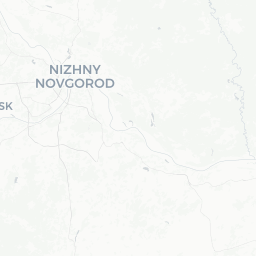
Nizhny Novgorod (also transliterated as Nizhniy Novgorod) sits at the confluence of the Volga and Oka rivers, roughly 400 km east of Moscow. Founded in 1221, it grew into one of Russia's most important trading cities, hosting the legendary Nizhny Novgorod Fair that for centuries drew merchants from across Eurasia. Today it is Russia's fifth-largest city, with a population just over 1.25 million.
The city occupies two distinct levels: the elevated Upper Town (Verkhnaya Chast), where the Kremlin and historic architecture cluster along dramatic bluffs, and the Lower Town (Nizhnaya Chast) along the riverbanks, historically home to trade and industry. This topography gives the city a memorable visual character — panoramic river views are almost unavoidable.
Nizhny Novgorod is associated with several famous Russians, including the writer Maxim Gorky (the city was renamed Gorky in his honor between 1932 and 1990) and the physicist and dissident Andrei Sakharov, who was exiled here during the Soviet period. The city hosted matches during the 2018 FIFA World Cup, which accelerated significant infrastructure investment. It remains an active cultural and industrial center, home to universities, theaters, and a lively arts scene.
Before You Go
Visas and Entry
Russia maintains specific entry requirements that vary significantly by nationality and are subject to change. Do not rely on outdated sources. Check TravelerPulse's Visas section and consult the official website of Russia's Ministry of Foreign Affairs or your nearest Russian consulate well before travel.
Travel Advisories
Many governments currently issue elevated travel advisories for Russia. Check your own government's official foreign travel advice before making any bookings and monitor updates through your trip.
Currency and Payments
The Russian Ruble (RUB) is the only accepted currency. International payment cards (Visa, Mastercard) have had severely limited functionality in Russia since 2022 due to sanctions. Travelers should research current payment options — including whether their cards will work — before departure and plan to carry sufficient cash. Verify locally for the most current situation.
Connectivity
Some foreign SIM cards and apps may have restricted functionality. A local Russian SIM card can be a practical solution for data access during your stay. Certain international websites and services may be blocked; a VPN should be researched in advance, noting that their legal status in Russia is subject to regulation.
Health
No vaccinations are specifically required for entry from most countries, but standard travel health precautions apply. Verify current health entry requirements with your doctor or a travel health clinic before departure.
Getting There
By Air
Nizhny Novgorod Strigino International Airport (GOJ) serves the city. Domestic connections to Moscow and other Russian cities are the primary routes. International connectivity has changed significantly since 2022; verify current route availability directly with airlines or through current booking platforms before planning.
By Train
The city is well connected to Moscow by rail. High-speed Sapsan trains run between Moscow's Kursky station and Nizhny Novgorod, with journey times typically around four hours. Regular inter-city trains also serve routes to other major Russian cities including Kazan and St. Petersburg. The main station is Moskovsky Vokzal (Moscow Station), located in the Lower Town. Verify current schedules and book through RZhD (Russian Railways) or verify locally.
By Road
Nizhny Novgorod lies on the M7 federal highway connecting it to Moscow (approximately 400 km). Long-distance buses also operate from Moscow and regional cities, though train travel is generally more comfortable for longer distances.
By River
Historically the Volga was a primary route to the city. Seasonal river cruise itineraries sometimes include Nizhny Novgorod as a stop; verify current operators and schedules locally or through specialist river cruise providers.
Getting Around
Metro
Nizhny Novgorod has a metro system with two lines, one on each bank of the Oka River, connected by a bridge. It is one of the few Russian cities outside Moscow and St. Petersburg with a metro. It covers key areas but does not reach all attractions; it is most useful for moving between the Upper and Lower Town areas efficiently.
Trams, Trolleybuses, and Buses
An extensive surface network of trams, trolleybuses, and buses covers most of the city. These are inexpensive but can be crowded during peak hours. Route information is most reliably obtained locally or through Russian navigation apps such as Yandex Maps, which shows real-time public transit options.
Cable Car (Kanatka)
A cable car crosses the Oka River, connecting the Upper Town near the Kremlin area to the Bor side of the river. It is a scenic and practical crossing and a memorable experience in itself. Verify current operating hours and fares locally.
Taxis and Ride-Hailing
Yandex Go (formerly Yandex.Taxi) is the dominant ride-hailing platform and generally reliable. Traditional metered taxis also operate; agree on the fare before entering unlicensed cabs.
Walking
The Upper Town historic core is walkable, though the terrain is hilly. The Bolshaya Pokrovskaya pedestrian street is the city's main walking promenade. Moving between Upper and Lower Town on foot involves steep stairs or the Chkalov staircase — manageable but demanding.
Where to Stay
Nizhny Novgorod offers accommodation across a broad range. The Upper Town — particularly around the Kremlin and Bolshaya Pokrovskaya Street — is the most convenient base for sightseeing. Several established hotels occupy historic or Soviet-era buildings that have been renovated to varying standards. The Lower Town and areas near the main railway station also have options, which may be better priced but require more travel to the main sights.
Hostels and budget guesthouses are available and generally reflect the city's student population (several large universities are based here). Apartment rentals through local platforms are another option, particularly for longer stays.
Note that hotel booking platforms with international reach may have limited functionality for Russia. Research booking channels that currently operate in the Russian market before planning. Some hotels may require in-person payment in rubles on arrival. Verify current booking options before your trip.
Things to See & Do
Nizhny Novgorod Kremlin
The red-brick Kremlin fortress crowns the hilltop above the river confluence and is the city's defining landmark. Its walls and towers date largely from the 16th century. The grounds are open to visitors and contain several museums, including the State Art Museum (Nizhegorodsky Gosudarstvenny Khudozhestvenny Muzey), which holds a substantial collection of Russian fine art. Verify museum opening hours and admission fees locally before visiting.
Bolshaya Pokrovskaya Street
The city's central pedestrian thoroughfare runs from the Kremlin through the Upper Town and is lined with 19th- and early 20th-century architecture, cafés, shops, and bronze sculptures. It is the social heart of the city and ideal for an evening stroll.
Chkalov Staircase and River Confluence Viewpoint
The grand Chkalov Staircase (also called the Volzhskaya Lestnitsa) descends from the Kremlin to the Volga embankment in a dramatic zigzag of around 500 steps. The surrounding area offers some of the best views of the Volga–Oka confluence.
Nizhny Novgorod Fair (Yarmarka) Building
The 19th-century Cathedral of the Blessed Virgin of All Sorrows and the main fair building on the Lower Town embankment recall the city's mercantile golden age. The fairground area has been partially renovated and hosts events; verify current programming locally.
Maxim Gorky Literary Museum and Birthplace
Gorky was born here, and the city has several sites associated with him, including a house-museum. Worth visiting for those interested in Russian literature and history.
Pokrovsky Monastery and Historic Churches
The city contains numerous Orthodox churches and monasteries in various states of preservation. The Annunciation Monastery on the Oka bluff and the Cathedral of the Archangel Michael within the Kremlin are among the most historically significant.
Rozhdestvenskaya Street
This Lower Town street retains a concentration of historic merchant architecture and is less touristy than Bolshaya Pokrovskaya. It is currently undergoing ongoing restoration efforts.
Cultural Venues
The Nizhny Novgorod State Academic Opera and Ballet Theatre is a major cultural institution. The Gorky Drama Theatre is another long-established venue. Check current schedules locally as programming varies seasonally.
Food & Drink
Nizhny Novgorod has a well-developed dining scene that reflects its size and status as a regional capital. Russian cuisine is the baseline, with local restaurants serving classics such as borshch, solyanka, pelmeni, and slow-braised meats. The city's Volga location means freshwater fish — particularly bream, pike-perch (sudak), and sterlet — appear frequently on menus.
Bolshaya Pokrovskaya Street and the surrounding blocks of the Upper Town contain the highest concentration of cafés and restaurants in a range of price points. The Lower Town near Rozhdestvenskaya Street has a growing cluster of independent restaurants. Farmers' markets (rynki) are worth visiting for local produce, preserved foods, and an authentic slice of daily life.
Coffee culture is well established, with numerous independent cafés alongside chain options. Local craft beer production has grown in recent years, and bars in the Upper Town offer a reasonable selection. Kvass (a lightly fermented bread drink) and locally produced fruit preserves are traditional items worth trying.
As with most Russian cities, restaurant hours and ownership change relatively frequently. For current recommendations, cross-reference recent reviews on Russian platforms such as Yandex Maps or 2GIS, or ask at your accommodation.
Practical Information
Emergency Numbers
The standard Russian emergency numbers are: 112 (unified emergency line), 101 (fire), 102 (police), 103 (ambulance). Operators may have limited English; having Russian-speaking assistance available is advisable.
Pharmacies
Pharmacies (apteka, аптека) are plentiful throughout the city and generally well stocked. Some medications available over the counter in other countries require a prescription in Russia; bring an adequate supply of any personal prescription medications.
Post and Communications
Russian Post (Pochta Rossii) offices are present in the city. International mail delivery times and reliability have been affected by the current geopolitical situation; verify before sending anything time-sensitive internationally.
Time Zone
Nizhny Novgorod observes Moscow Time (UTC+3) year-round with no seasonal clock changes.
Accessibility
The city's hilly Upper Town terrain and older infrastructure present significant challenges for visitors with mobility impairments. The metro, some museums, and newer facilities have made accessibility improvements, but coverage is uneven. Verify specific accessibility needs with venues before visiting.
Photography
Avoid photographing military installations, government buildings, transport infrastructure, and uniformed personnel without permission. When in doubt, err on the side of caution.
Safety
Nizhny Novgorod is a large Russian city and, like any major urban center, requires standard urban safety awareness. Petty theft, pickpocketing in crowded markets and on public transit, and taxi scams (particularly unmarked cabs at the airport and train station) are the most commonly reported issues for visitors.
Many governments currently have elevated or do-not-travel advisories for Russia due to the ongoing conflict in Ukraine and its broader consequences. Independent of specific security concerns within the city, travelers should be aware of the general geopolitical context, including restricted consular assistance in some cases, financial access limitations, and potential for rapidly changing entry or exit conditions. Carefully review your government's current travel advisory before any travel to Russia.
Registration requirements: Foreign visitors to Russia are generally required to be registered with authorities within a set period of arrival. Hotels typically handle this automatically; if staying in private accommodation, the host or you may need to arrange registration. Verify current requirements with your consulate or a specialist.
Local Culture & Etiquette
Nizhny Novgorod has a strong sense of civic identity rooted in its merchant past and its role as a major Russian industrial and cultural center. The city produced or was home to significant figures in Russian literature, science, and politics, and residents generally take pride in this heritage.
Russian Orthodox Christianity remains culturally prominent, reflected in the city's many churches and monasteries. Visitors should dress modestly (shoulders and knees covered) when entering religious sites, and women are typically expected to cover their heads inside churches. Photography inside churches may be restricted; observe posted signs.
As in most of Russia, personal interactions tend to be more reserved with strangers in public settings than visitors from some Western countries might expect, though hospitality in private or social settings can be very warm. Some English is spoken in tourist-oriented businesses and by younger urban residents, but Russian language skills or a translation app will be very helpful for navigating daily life.
Tipping is not mandatory but is appreciated in restaurants; rounding up or leaving 10% is a common practice in mid-range and upscale establishments. Check whether a service charge has already been included in the bill.